1. VCRs and VHS Tapes
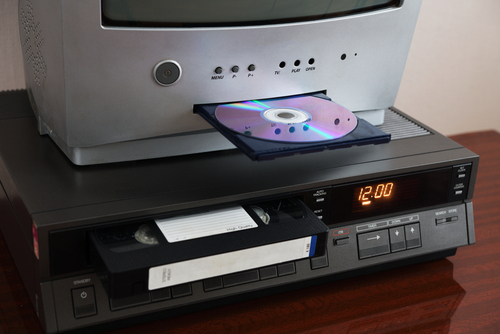
There was a time when a VCR sat at the center of the living room setup. Families built shelves full of VHS tapes, from recorded TV shows to rented movies that had to be rewound. Friday nights often meant a trip to the video store and a careful choice that had to last all weekend. The machine itself felt essential for both entertainment and recording.
DVDs began replacing VHS in the late 1990s with better picture quality and easier navigation. Streaming eventually removed the need for physical media altogether. VCR production largely ended by the mid-2010s as demand disappeared. What was once a must-have device became something many households no longer recognize.
2. Rotary Phones
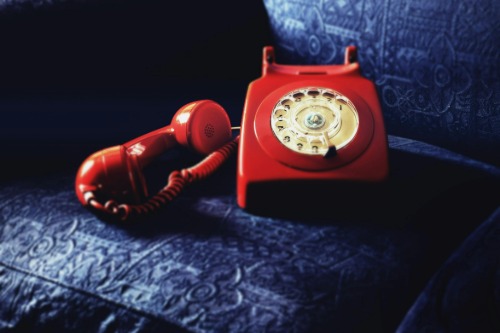
Rotary phones were once standard in American homes, often anchored to a wall or sitting on a hallway table. Dialing required patience as you spun the wheel for each number and waited for it to return. People memorized numbers because there was no digital storage. The physical act of calling someone felt slower and more deliberate.
Push-button phones replaced rotary models starting in the 1960s and 70s. Eventually, cordless phones and mobile devices made landlines less central. Rotary phones became impractical for modern systems and emergency services. Today, they’re mostly decorative or nostalgic objects.
3. Encyclopedias
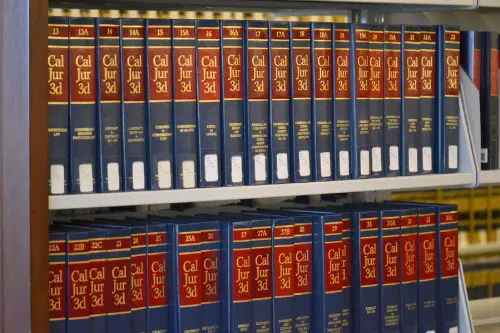
Owning a full set of encyclopedias was once a sign of a well-prepared household. Families invested in multi-volume collections for schoolwork and general knowledge. Kids learned to research by flipping through pages and following cross-references. These books often took up an entire shelf or cabinet.
Digital encyclopedias and the internet made printed sets less necessary. Updates became easier online than through new editions. The cost and space requirements made physical sets harder to justify. Many households gradually let them go or stopped buying them altogether.
4. Answering Machines
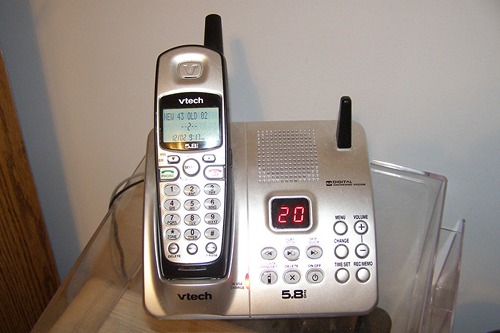
Before voicemail became standard, answering machines handled missed calls at home. Small cassette tapes recorded messages from friends, family, and telemarketers. You could hear messages play aloud or screen calls in real time. The blinking light signaled something waiting for you.
Telephone companies and mobile carriers eventually integrated voicemail services. Physical machines became redundant as fewer households relied on landlines. By the 2000s, answering machines were already fading out. Now they’re rarely seen outside of older setups.
5. Fax Machines
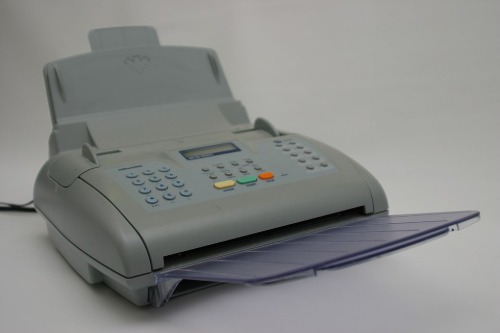
Fax machines once played a key role in both offices and some homes. They allowed documents to be sent over phone lines almost instantly. For contracts and forms, faxing was often considered official and reliable. Some households used them for home-based businesses or personal needs.
Email and digital document sharing replaced most fax usage. Scanners and PDFs made it easier to send clear copies electronically. Many homes no longer have a landline to support faxing anyway. What was once cutting-edge now feels surprisingly outdated.
6. Film Cameras

Film cameras were once the default way to capture everyday moments. Rolls of film had limited exposures, so each shot mattered. Photos had to be developed before you could even see them. Family albums grew slowly but intentionally.
Digital cameras and smartphones changed photography completely. Instant previews and unlimited storage removed many constraints. Film processing became less common and more specialized. While film still exists, it’s no longer a household staple.
7. Phone Books
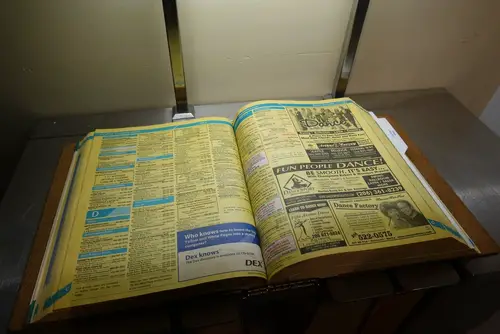
Phone books used to arrive on doorsteps every year without fail. Thick volumes listed residential and business numbers for entire communities. People relied on them to look up contacts, services, and addresses. They were often kept in a consistent, easy-to-find spot.
Online search and mobile contacts replaced the need for printed directories. Listings became easier to update digitally than in print. Many cities stopped distributing them entirely due to low demand. The once-ubiquitous book is now rarely seen.
8. Typewriters
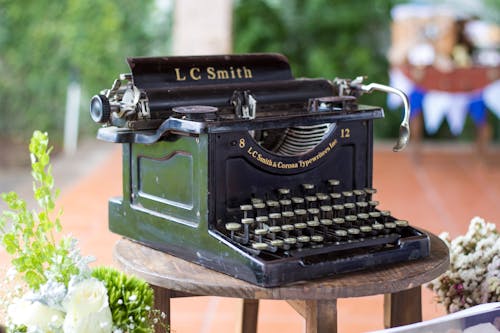
Typewriters were once essential for writing letters, school assignments, and professional documents. Each keystroke physically struck paper, making typing a tactile experience. Mistakes required correction fluid or retyping entire pages. The rhythm of typing was unmistakable.
Personal computers gradually replaced typewriters in the late 20th century. Word processing made editing faster and more flexible. As computers became standard, typewriters faded from everyday use. Today, they’re mostly collectors’ items or creative tools.
9. Cassette Players
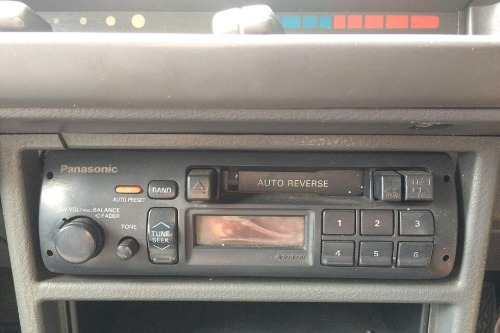
Cassette players made music portable long before digital devices. People created mixtapes by recording songs from the radio or other tapes. Rewinding and fast-forwarding became second nature. The format was central to everyday listening habits.
CDs offered better sound quality and easier track selection. Later, digital music and streaming removed physical media entirely. Cassette production declined sharply by the early 2000s. While they’ve seen niche revival, they’re no longer common household items.
10. Electric Can Openers
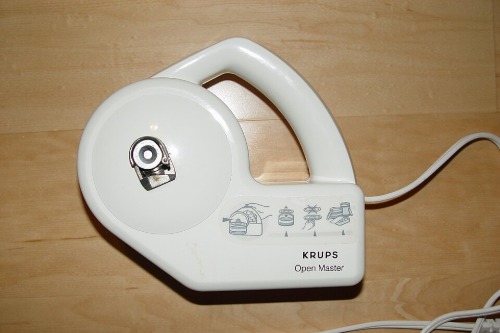
Electric can openers once sat permanently on kitchen counters. They made opening cans quicker and easier, especially for frequent cooks. Many models included knife sharpeners or bottle openers as added features. They were considered a practical convenience.
Manual can openers became more efficient and compact over time. Kitchen space priorities shifted toward smaller, multi-use tools. As fewer canned goods required heavy-duty opening, electric versions lost appeal. Many households quietly stopped using them.
11. Ice Cube Trays
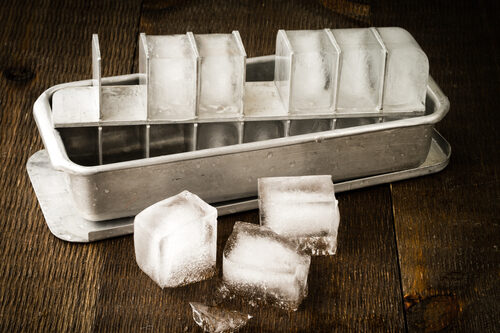
Before automatic ice makers, filling trays in the freezer was routine. You had to remember to refill them after each use. Twisting the tray to release cubes was a small but familiar ritual. Nearly every freezer had at least one.
Refrigerators with built-in ice makers became more common. Bagged ice also became widely available in stores. The manual process started to feel unnecessary. Ice cube trays didn’t disappear completely, but they became less essential.
12. Rolodexes
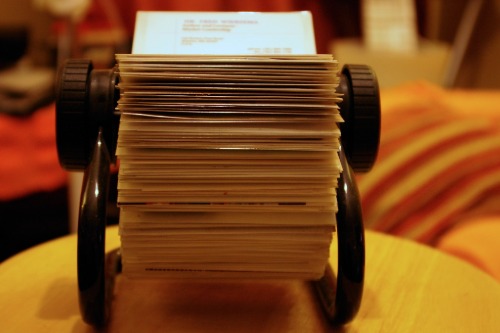
Rolodexes organized contact information in a rotating card system. Names, phone numbers, and addresses were stored alphabetically for quick access. They were especially common in home offices and by the phone. Flipping through cards became a daily habit.
Digital contact lists replaced physical systems with searchable databases. Updates became easier and didn’t require rewriting cards. As computers and smartphones spread, Rolodexes became obsolete. Today, they’re mostly a symbol of a pre-digital workflow.
13. Alarm Clocks
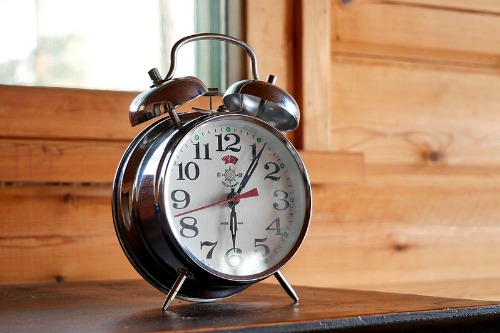
Standalone alarm clocks once sat on nearly every bedside table. They were relied on to wake people up for school, work, and appointments. Many included radio features or glowing digital displays. Setting the alarm was part of the nightly routine.
Smartphones absorbed that function along with many others. People now use apps that offer customizable alarms and schedules. Carrying one device made separate clocks unnecessary for many households. The dedicated alarm clock slowly faded into the background.
This post Items That Were Once Household Staples but Slowly Slipped Away was first published on American Charm.