
1. Elevator Operators
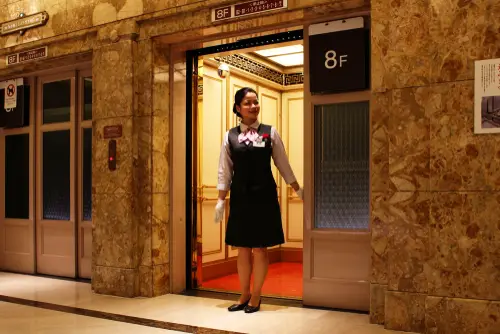
For much of the early 20th century, riding an elevator usually meant stepping into a small cabin with a uniformed operator behind a panel of switches and levers. These workers manually controlled speed, alignment with floors, and the opening of heavy doors. Large office buildings, hotels, and department stores often hired dozens of operators to keep traffic moving throughout the day. In busy cities, it was a stable service job that required attentiveness and a steady hand.
The role faded once automatic push-button elevators became reliable and widely accepted. By the 1950s and 1960s, most new buildings were designed with fully automated elevator systems. Labor costs also pushed building owners to eliminate the position whenever possible. Today, elevator operators survive mostly in a handful of historic buildings or tourist attractions, making the once-common job feel almost ceremonial.
2. Switchboard Operators
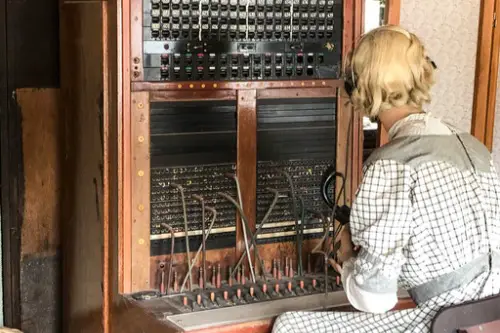
Before direct dialing was universal, placing a phone call often required help from a human being sitting at a massive switchboard. Operators physically connected calls by plugging cables into the correct circuits while answering requests from callers. In the early 20th century, telephone companies employed hundreds of thousands of operators, many of them young women. The job demanded quick thinking, good memory, and constant multitasking.
Automation slowly chipped away at the profession starting in the 1920s with dial telephones. Electronic switching systems expanded dramatically after World War II, allowing customers to connect calls themselves. By the 1970s and 1980s, computerized switching had replaced most manual boards. Today, only a small number of specialized operators remain for services like directory assistance and emergency routing.
3. Bowling Alley Pinsetters
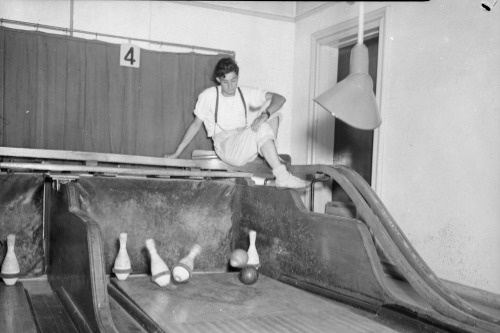
In the earliest days of bowling alleys, someone had to stand behind the pins and reset them after every frame. These workers, often called “pin boys,” manually cleared fallen pins and placed new ones in position. It was fast-paced work because bowlers expected quick turnaround between rolls. Many teenagers took these jobs because they required little training but plenty of stamina.
The introduction of automatic pinsetting machines in the 1940s transformed bowling centers almost overnight. The machines could sweep away pins and reset a new rack in seconds without human help. As bowling chains modernized through the 1950s and 1960s, the need for pinsetters disappeared. Today the job mainly survives in nostalgic stories about early bowling alleys.
4. Ice Cutters and Ice Delivery Workers
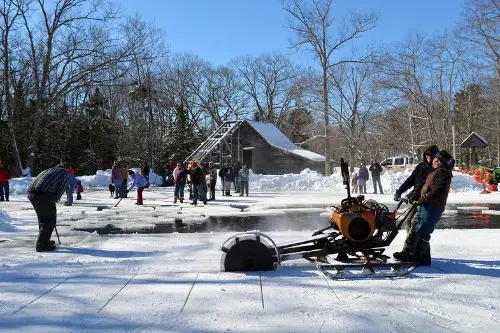
Before refrigerators became common household appliances, Americans relied on large blocks of ice to keep food cold. Ice cutters harvested thick slabs from frozen lakes during winter, storing them in insulated warehouses packed with sawdust. Delivery workers then hauled the ice to homes and businesses, often carrying heavy blocks up apartment stairs with metal tongs. Many cities had daily ice deliveries during the warmer months.
Electric refrigeration began spreading through American homes in the 1920s and accelerated after World War II. As refrigerators became affordable and reliable, the demand for delivered ice dropped quickly. By the 1950s, most households no longer needed an icebox or regular ice deliveries. The once-bustling ice trade quietly shrank into a niche industry serving restaurants and specialty needs.
5. Gas Station Pump Attendants

Decades ago, pulling into a gas station usually meant staying in your car while an attendant handled everything. The worker pumped the fuel, cleaned the windshield, checked the oil, and sometimes even tested tire pressure. Full-service stations were the norm across the United States for much of the mid-20th century. It was an entry-level job that many people held during high school or early adulthood.
Self-service pumps began spreading widely during the 1970s, partly because of rising labor costs and the oil crisis. Customers became comfortable pumping their own fuel once stations offered lower prices for doing so. Over time, most stations converted entirely to self-service models. Today, only a few places—like certain stations in New Jersey and Oregon—still require attendants by law.
6. Linotype Operators
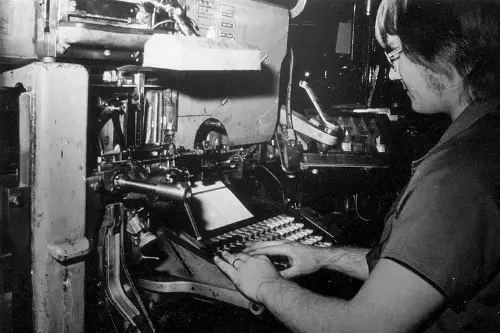
Newspapers once depended on skilled workers called linotype operators to set type for printing. Using large, complex machines, they assembled lines of metal type that formed entire columns of text. The job required training, concentration, and knowledge of typesetting codes. Newsrooms often had entire rooms filled with these machines clattering late into the night.
Phototypesetting and digital publishing began replacing the linotype process in the 1960s and 1970s. Computers eventually allowed reporters and editors to format pages directly on screens. As newspaper production modernized, the need for hot-metal typesetting vanished quickly. Within a generation, a highly skilled trade had nearly disappeared.
7. Telegraph Operators

For much of the 19th and early 20th centuries, telegraph operators were the backbone of long-distance communication. They transmitted messages using Morse code, tapping signals across networks of wires that connected cities and towns. Railroads, newspapers, and businesses relied heavily on telegraphy for urgent updates. Skilled operators could send and receive messages at remarkable speeds.
The rise of telephones and later digital communication gradually pushed telegraphy aside. Businesses and individuals found voice calls faster and easier than coded messages. By the late 20th century, the telegraph had become largely obsolete in everyday communication. When commercial telegram services shut down in the United States in the early 2000s, the profession effectively closed its final chapter.
8. Motion Picture Projectionists
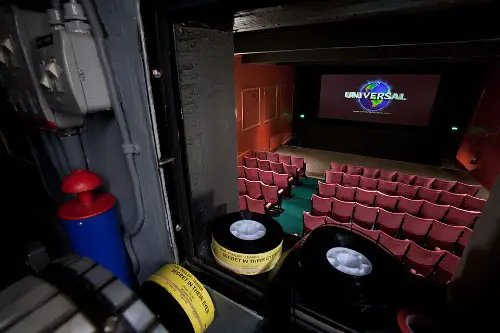
Movie theaters once depended on projectionists who carefully threaded film reels through large projectors. These technicians monitored focus, lighting, and reel changes during the screening. Because films arrived on multiple reels, projectionists often had to switch between projectors at exactly the right moment. The job required technical skill and constant attention during every showing.
Digital cinema technology began replacing traditional film projectors in the early 2000s. Movies started arriving on hard drives or via digital downloads instead of heavy reels. Automated systems could start and manage screenings with minimal oversight. As theaters converted to digital projection, the number of full-time projectionists dropped dramatically.
9. Video Rental Store Clerks
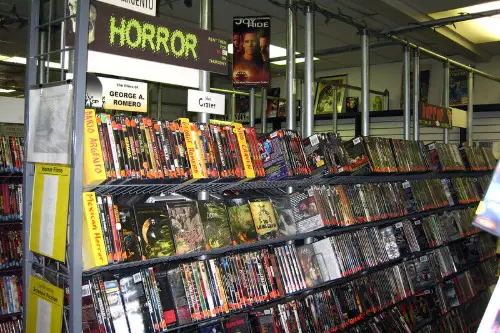
In the 1980s and 1990s, renting movies was a weekly ritual for many American families. Video rental stores employed clerks to organize shelves, manage memberships, and recommend films. These workers spent their shifts checking tapes in and out while rewinding returned VHS cassettes. The job became a cultural touchstone during the height of the home video boom.
Streaming services and digital rentals began reshaping movie consumption in the late 2000s. As internet speeds improved, people could watch films instantly without leaving home. Major chains closed thousands of stores over the following decade. With the disappearance of most rental shops, the once-familiar clerk role nearly vanished as well.
10. Department Store Elevator Starters

Large department stores once had employees stationed near elevator doors to manage passenger flow. These workers, called elevator starters, directed customers to available cars and coordinated with elevator operators. They helped prevent overcrowding and kept shoppers moving smoothly between floors. The role was especially common in busy flagship stores during peak shopping hours.
As automated elevators became more efficient, the need for human coordination faded. Modern elevator systems manage traffic electronically and operate without operators. Department stores also downsized or closed many of their largest multi-floor locations. Without those massive retail environments, the starter position quietly disappeared.
11. Toll Booth Collectors
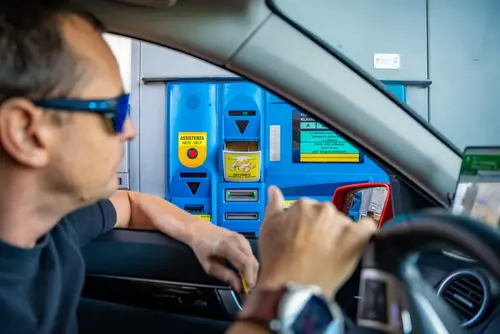
For decades, drivers on highways and bridges handed cash directly to toll booth collectors. These workers made change, issued receipts, and kept traffic moving during busy travel periods. The job provided stable employment with transportation authorities across the country. Many toll plazas operated around the clock, requiring large staffs to cover every shift.
Electronic tolling systems began spreading widely in the 1990s and 2000s. Transponders and license plate scanning allowed cars to pass through toll points without stopping. As more highways converted to cashless tolling, booths were removed entirely. The result has been a steady disappearance of toll collectors from roads where they were once a constant presence.
This post Jobs That Quietly Vanished From American Life Without Much Notice was first published on American Charm.

