
1. Swanson TV Dinner
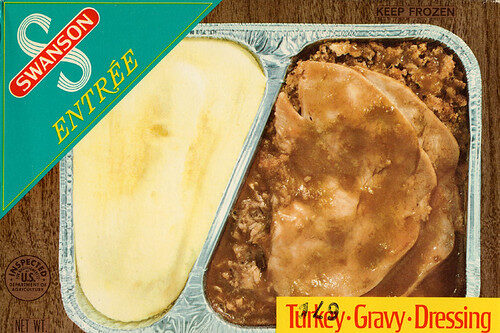
When Swanson introduced the TV Dinner in 1953, it perfectly captured a new American rhythm: dinner in front of the television. The aluminum tray separated turkey, stuffing, and vegetables into tidy compartments that could be heated all at once. It was marketed directly to busy families who didn’t want to cook after work. For the first time, a full meal could go from freezer to table with almost no preparation.
The idea reportedly came after the company had a massive surplus of frozen turkey and needed a creative way to sell it. Early TV Dinners were heated in the oven and sold for under a dollar, which made them accessible to a wide audience. They quickly became a cultural symbol of mid-century convenience and modern living. By the late 1950s, millions were sold every year, helping establish the frozen food aisle as a supermarket staple.
2. Velcro
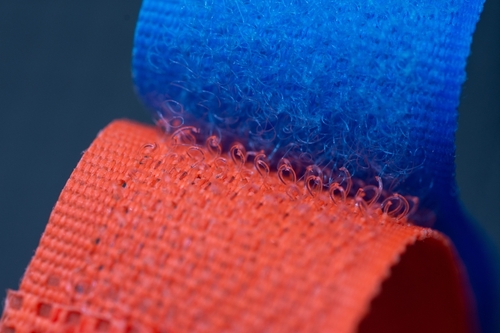
Velcro started as a clever piece of engineering inspired by nature. Swiss engineer George de Mestral noticed burrs sticking to his dog’s fur in 1941 and studied them under a microscope. The tiny hooks on the burrs led him to design a fastening system made of hooks and loops. What began as a niche invention eventually became one of the simplest ways to secure almost anything.
Velcro made everyday tasks faster, from closing shoes to fastening jackets and organizing cables. It became widely used in clothing, sports gear, and even aerospace equipment because it’s reliable and reusable. One quick press replaces tying, buckling, or buttoning. That small change removed friction from countless daily routines.
3. Post-it Notes
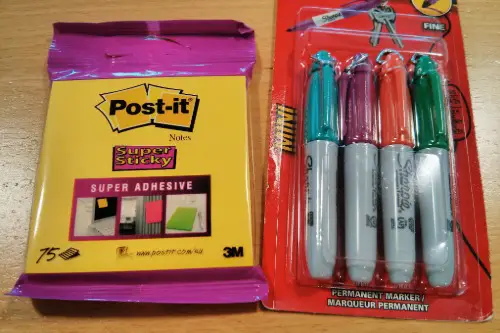
Post-it Notes transformed the way people leave reminders and share quick messages. The product came out of 3M in the late 1970s after a scientist accidentally created a weak adhesive. Instead of failing, that adhesive turned out to be perfect for notes that stick and remove cleanly. The small yellow squares quickly became a staple in offices, classrooms, and kitchens.
Their convenience lies in how easily they capture fleeting thoughts. You can jot down a reminder, stick it anywhere, and remove it without damaging the surface. Over time they evolved into countless sizes, shapes, and colors. Despite digital alternatives, the simple sticky note still plays a huge role in everyday organization.
4. Ziploc Bags
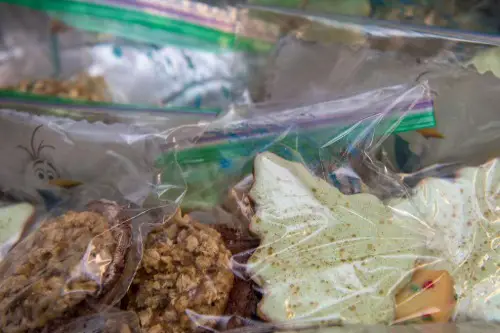
Ziploc bags made food storage dramatically easier for households. Introduced by Dow Chemical Company in the 1960s, the bags used an interlocking plastic zipper to seal contents securely. That seal helped keep food fresh while also preventing spills. Suddenly leftovers, snacks, and ingredients could be stored with a quick press.
The bags also became a go-to solution far beyond the kitchen. People used them for organizing small items, packing travel essentials, and protecting electronics from moisture. Their transparent design made it easy to see what was inside at a glance. It’s a simple product, but it streamlined countless small tasks.
5. Crock-Pot Slow Cooker
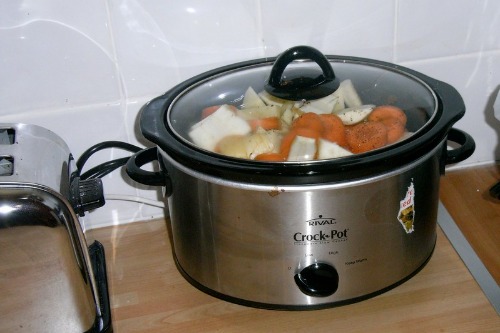
The Crock-Pot slow cooker turned long cooking times into a convenience rather than a burden. Originally introduced in 1971 by Rival Company, it allowed meals to simmer for hours without constant supervision. Home cooks could add ingredients in the morning and return to a fully cooked dinner. That hands-off approach fit perfectly into busy work schedules.
Slow cookers also made tougher, cheaper cuts of meat easier to prepare. Low and steady heat breaks down fibers over time, producing tender results with minimal effort. The appliance quickly became a kitchen staple in American households. It essentially automated a style of cooking that once required close attention.
6. Mr. Coffee Automatic Drip Coffee Maker
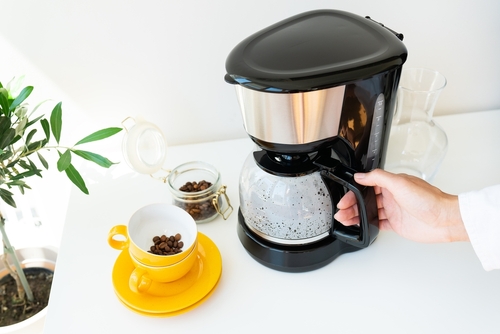
Before automatic drip machines, making coffee at home often meant percolators or stovetop methods. Mr. Coffee changed that when it launched in 1972. The machine automated water heating and brewing, delivering consistent coffee with the push of a button. It quickly gained attention when baseball legend Joe DiMaggio appeared in its advertising campaigns.
The design made morning routines far simpler. Users only needed to add water, a filter, and ground coffee before pressing start. The machine handled the rest while people got ready for work. Within a few years, drip coffee makers became a standard appliance in American kitchens.
7. Reynolds Wrap Aluminum Foil
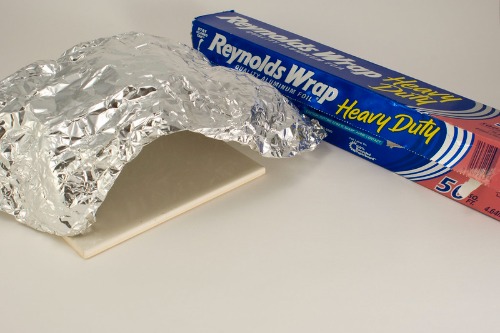
Reynolds Wrap helped simplify food storage and cooking starting in the 1940s. Aluminum foil offered a flexible, heat-resistant alternative to wax paper and other wraps. It could cover leftovers, line baking pans, or wrap food for the oven or grill. That versatility made it useful in almost every kitchen.
Foil’s durability also made it easy to shape around food or containers. It seals tightly, helping preserve freshness and prevent leaks. Home cooks quickly embraced it because one roll could handle dozens of tasks. Over time it became a nearly universal kitchen staple.
8. Clorox Bleach

Clorox bleach helped make household cleaning faster and more reliable. Introduced commercially in the early 20th century by The Clorox Company, it provided a powerful way to disinfect surfaces and whiten laundry. The product gained major traction in American homes during the 1920s and 1930s. Its effectiveness made it a cornerstone of modern cleaning routines.
Bleach simplified sanitation in a way earlier products could not. A diluted solution could disinfect kitchens, bathrooms, and fabrics quickly. During public health crises, it has often been recommended for household disinfection. Its widespread availability made powerful cleaning accessible to everyday consumers.
9. Scotch Tape
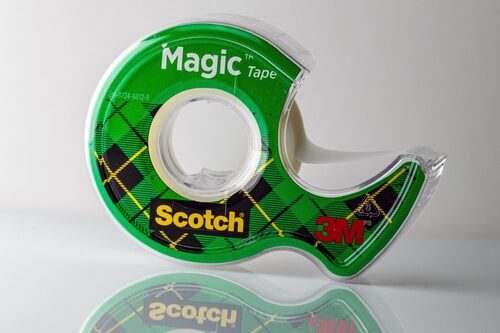
Scotch Tape offered a quick fix for everyday problems. Developed by 3M in 1930, it was originally designed to help auto painters create clean lines between colors. The transparent adhesive tape soon found its way into homes and offices. People used it to repair torn paper, wrap gifts, and seal envelopes.
Its convenience lies in its simplicity. A small handheld dispenser allows users to pull, cut, and apply tape with one hand. During the Great Depression, many households relied on it to repair items instead of replacing them. Even today, it remains one of the easiest ways to make a fast fix.
10. Keurig Single-Serve Coffee Maker
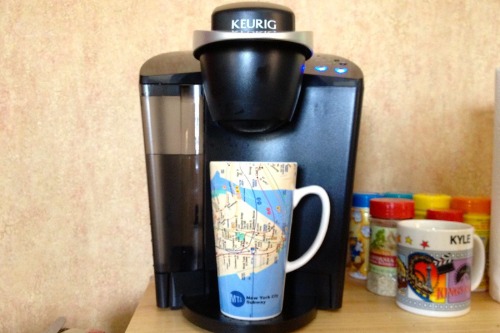
The Keurig brewing system reimagined coffee convenience for the 21st century. Introduced in the late 1990s and popularized in the 2000s by Keurig Green Mountain, it used sealed pods called K-Cups. Each pod contains a pre-measured portion of coffee grounds. With one button, the machine brews a fresh cup in under a minute.
The system removed the need to measure coffee or brew full pots. That made it especially appealing for offices and households with different taste preferences. Users could choose from dozens of brands and flavors without changing equipment. It turned coffee into an almost instant, highly customizable experience.
11. Instant Pot
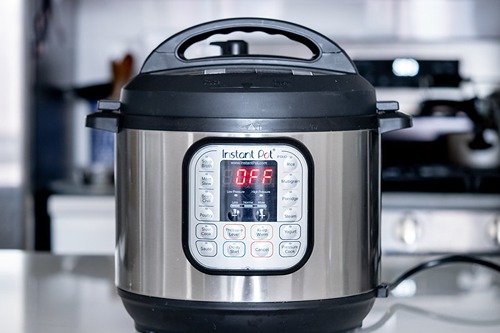
The Instant Pot combined several kitchen appliances into one device. Developed by Instant Brands and released in 2010, it functions as a pressure cooker, slow cooker, rice cooker, and more. Pressure cooking dramatically reduces cooking time for dishes like stews, beans, and roasts. Meals that once took hours can be ready in under an hour.
Its programmable settings simplified complex cooking techniques. Users can select a preset and let the machine manage pressure and temperature automatically. Online communities quickly formed around sharing recipes and tips. The appliance became a modern symbol of time-saving kitchen technology.
12. iRobot Roomba
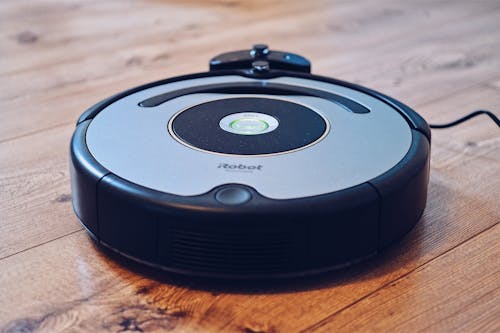
The Roomba robotic vacuum brought automation to one of the most repetitive household chores. Released in 2002 by iRobot, it uses sensors to navigate floors while collecting dust and debris. Instead of manually vacuuming, users can simply start the robot and let it move through the room. Many models automatically return to their charging dock when finished.
Over time the technology evolved with mapping, scheduling, and smartphone control. Some models can even empty their own dust bins into a base station. The product helped normalize the idea of smart home cleaning devices. For many households, it turned vacuuming from a chore into a background task.
This post Products That Defined American Convenience was first published on American Charm.