1. Columbus
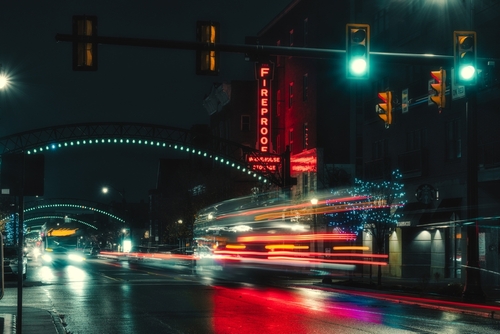
Columbus was often cited as a Midwest sleeper pick. Ohio State University provides a steady stream of graduates and research activity. Intel’s announcement of a major semiconductor project in the region sparked fresh excitement. Commentators speculated that advanced manufacturing could anchor a broader tech rise.
But manufacturing-led growth differs from Austin’s startup-driven surge. Venture capital totals remain comparatively modest. The city’s culture and national perception have evolved slowly. It became clear that Columbus was building an industrial tech corridor, not an Austin clone.
2. Nashville

For most of the 2010s, you couldn’t read a trend piece without seeing Nashville described as the “next Austin.” The logic seemed airtight: a booming creative scene, no state income tax, and a steady influx of transplants from California and New York. Tech companies like Oracle announced major expansions, and glossy apartment towers reshaped the skyline. It felt like Music City was tuning up for a full-on tech encore.
But the comparison glossed over key differences. Nashville’s economy remains deeply anchored in healthcare, tourism, and the music industry, not startups. Rapid growth also drove up housing prices and strained infrastructure, dampening some of the early hype. By the early 2020s, it was clear that while Nashville was thriving, it wasn’t morphing into another Austin.
3. Raleigh
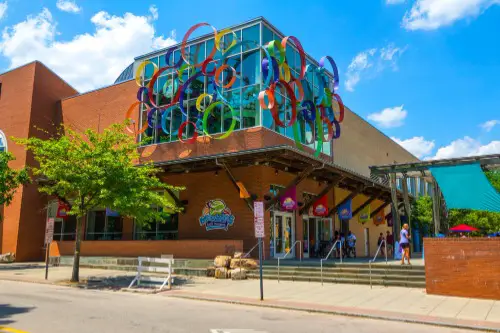
For years, Raleigh was touted as a rising Southern tech hub ready to follow Austin’s path. The Research Triangle’s concentration of universities and biotech firms gave it serious credibility. When Apple announced a major campus in the region in 2021, the buzz only intensified. Commentators imagined a tidal wave of startups and venture capital close behind.
Yet Raleigh’s growth has been steadier and more research-driven than buzzy and startup-heavy. The region is more known for established tech and life sciences firms than scrappy founders chasing the next unicorn. Housing costs climbed quickly, complicating the affordability narrative that fueled the comparison. It became clear that Raleigh was building something different, not replicating Austin’s formula.
4. Boise
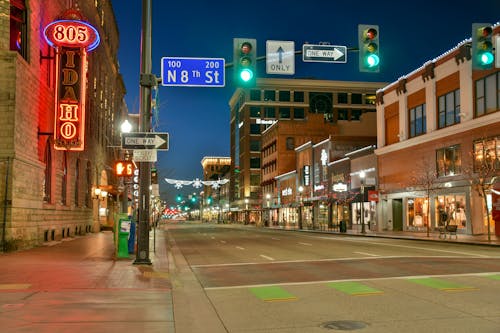
When remote work took off in 2020, Boise suddenly found itself in the national spotlight. Media stories highlighted its affordability, outdoor lifestyle, and influx of West Coast transplants. Home prices soared at one of the fastest rates in the country. For a moment, it was framed as a smaller, scrappier Austin of the Mountain West.
Then mortgage rates rose and the migration surge slowed. Boise’s economy is still anchored by agriculture, manufacturing, and a few major employers rather than a deep startup bench. The sudden spike in housing costs strained longtime residents and altered the affordability story. The narrative cooled as quickly as it had heated up.
5. Charlotte
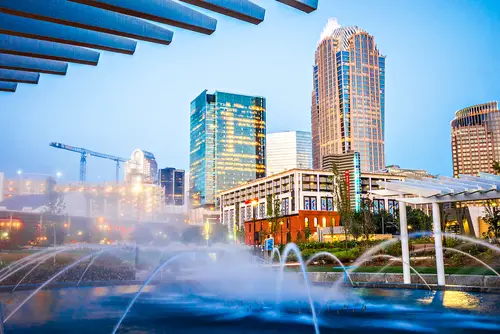
Charlotte was frequently mentioned as a Sun Belt contender for Austin’s crown. Its fast population growth and sleek uptown skyline made it look like a city on the move. Coworking spaces multiplied, and fintech startups gained attention. Optimists said its banking backbone could evolve into a broader tech ecosystem.
Still, banking remains the dominant force in Charlotte’s economy. Unlike Austin, it hasn’t developed a nationally recognized startup identity. Venture capital levels have been solid but not transformative. The city kept growing, just along its own corporate-heavy trajectory.
6. Atlanta
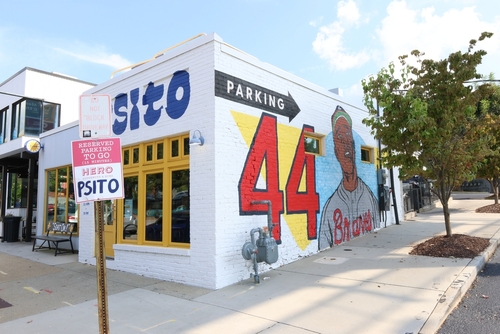
Atlanta has long been a heavyweight in the South, and at times it was dubbed the next Austin. The rise of its fintech sector and a thriving film and television industry added to the buzz. Major companies expanded operations there, reinforcing its business credentials. Some analysts declared it poised to become the South’s definitive tech capital.
But Atlanta’s scale and history make the comparison awkward. It is a far larger metro with a deeply rooted corporate base and global airport hub. Traffic and sprawl shape daily life in ways that differ sharply from Austin’s layout. Calling it the next Austin overlooked that Atlanta was already something else entirely.
7. Salt Lake City
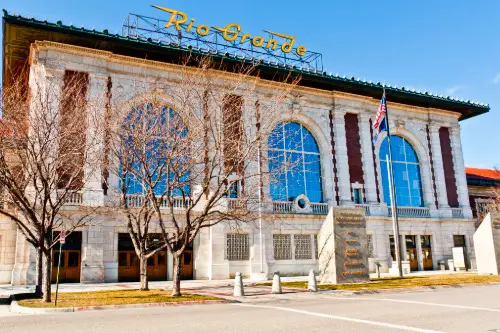
Salt Lake City rode the “Silicon Slopes” wave into national prominence. Companies like Qualtrics, founded in Utah, brought attention to the region’s startup potential. Venture funding surged in the late 2010s, and tech employment climbed. It seemed plausible that this tight-knit ecosystem could mirror Austin’s ascent.
However, the metro’s size and culture create a distinct business environment. A tight housing market and rapid price increases tempered some of the excitement. The ecosystem matured, but it remained regionally focused rather than nationally dominant. The comparison faded as observers recognized its unique path.
8. Phoenix
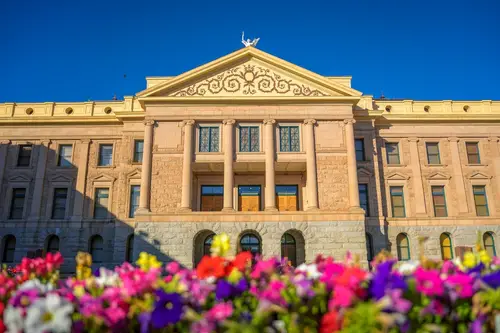
Phoenix entered the chat as a fast-growing desert metro with abundant land. Affordable housing and business-friendly policies drew companies and residents alike. Semiconductor investments, including major chip manufacturing projects, added a high-tech sheen. Boosters suggested it could channel Austin’s mix of tech and affordability.
Yet much of Phoenix’s growth has centered on large-scale manufacturing and logistics. Extreme heat and long-term water concerns complicate the lifestyle pitch. Startup density never quite matched the hype. The Austin analogy felt increasingly forced as the economy leaned industrial.
9. Tampa
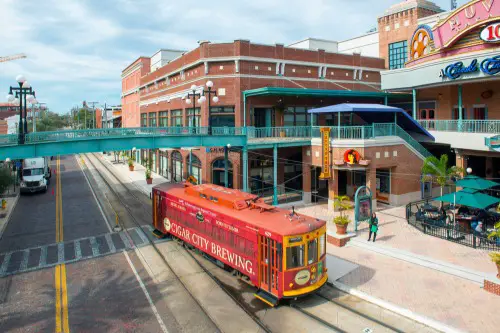
Tampa enjoyed a wave of attention during the pandemic relocation boom. Remote workers moved in, attracted by Florida’s lack of state income tax and waterfront living. Local leaders marketed the area as a budding tech and finance hub. Articles floated the idea that it could be the next Austin on the Gulf Coast.
But much of the growth was tied to remote work rather than homegrown startups. Venture capital remained modest compared to established tech centers. As interest rates rose, in-migration slowed from its pandemic peak. Tampa stayed attractive, just not transformative.
10. Pittsburgh
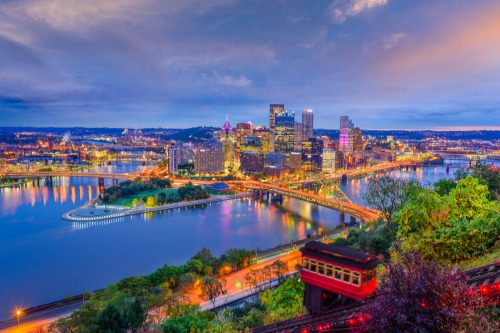
Pittsburgh’s reinvention from steel town to tech and robotics hub made for a compelling story. Carnegie Mellon University fed a pipeline of AI and engineering talent. Google and Uber expanded offices, reinforcing its innovation credentials. Writers wondered aloud if it could replicate Austin’s tech boom.
Still, population growth has been relatively flat compared to Sun Belt cities. The startup scene is strong in robotics and autonomy but narrower in scope. Venture capital totals have not matched the biggest breakout hubs. The “next Austin” label oversimplified a very specialized transformation.
11. Denver
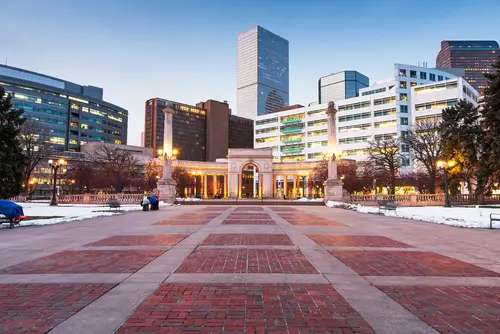
Denver spent much of the 2010s in conversations about America’s next breakout tech city. Its access to the outdoors, a young professional population, and a growing startup scene made it an easy comparison. Venture capital investment increased, and tech employment expanded steadily. Headlines regularly framed it as Austin with mountains.
But Denver’s economy has long been more diversified, with energy, aerospace, and government playing major roles. The cost of living surged, especially housing, eroding one of its key advantages. Tech layoffs in the early 2020s hit the local startup scene, cooling some of the momentum. The city remained strong, just not the cultural and corporate mirror image people predicted.
12. Indianapolis
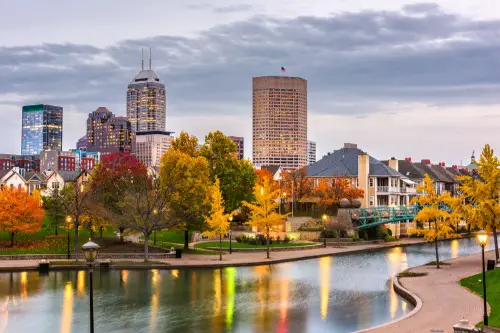
Indianapolis built a reputation in the 2010s for its growing tech workforce. Salesforce anchored a significant downtown presence, lending credibility to the scene. Low costs drew entrepreneurs looking beyond coastal hubs. Some headlines crowned it a Midwestern Austin in the making.
Even so, much of the economy still revolves around healthcare, logistics, and sports. Population growth has been steady but not explosive. Startup exits were notable but relatively few in number. The Austin comparison gradually lost steam.
13. Kansas City
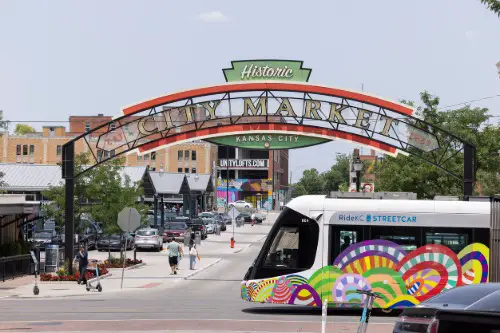
Kansas City gained early buzz when Google Fiber launched there in 2012. Ultra-fast internet was supposed to supercharge a startup renaissance. Civic leaders promoted the city as a tech-forward heartland alternative. For a stretch, it was framed as a dark horse “next Austin.”
But the early fiber advantage did not translate into a massive venture boom. Startup funding lagged behind more established ecosystems. Growth continued steadily, without the dramatic inflection point boosters imagined. The hype cycle eventually moved on.
14. San Antonio
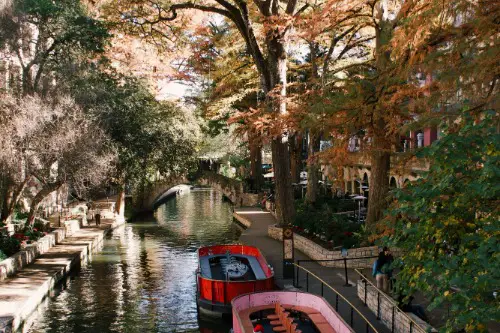
San Antonio is often mentioned simply because it sits a short drive from Austin. A young population and steady military presence provide economic stability. Real estate marketing sometimes leaned into the idea of overflow growth from its neighbor. It sounded reasonable on the surface.
Yet the economy remains heavily influenced by defense, healthcare, and tourism. Tech employment has grown but not at Austin’s scale or speed. Cultural and political differences also shape a distinct civic identity. San Antonio carved its own path rather than becoming a sequel.
This post The “Next Austin” Predictions That Already Aged Poorly was first published on American Charm.