
1. Homeowners Insurance

Most lenders require homeowners insurance before they will finalize your mortgage. The policy protects the structure against risks like fire, theft, and certain types of storm damage. Premiums are based on factors such as rebuilding cost, location, and claim history. If you live in an area prone to floods or earthquakes, you may need separate policies because standard coverage often excludes those hazards.
Insurance costs can rise as construction and labor costs increase. Filing claims can also lead to higher premiums or nonrenewal in some cases. Deductibles matter because they determine how much you pay out of pocket before coverage begins. Over time, what felt like a manageable annual premium can quietly become a significant line item.
2. Property Taxes

Property taxes are one of the largest recurring expenses homeowners face, and they rarely stay flat. Local governments calculate them based on your home’s assessed value and the local tax rate, which can change over time. If property values rise in your area, your tax bill can increase even if you never renovate. Many lenders escrow these payments into your mortgage, which makes the hit feel smaller but no less real.
These taxes fund schools, roads, and emergency services, so they are an ongoing obligation, not a temporary one. Reassessments typically happen on a set schedule, and appeals are not always successful. If your budget only accounts for your first year’s estimate, a later jump can feel like a shock. Looking at several years of tax history in the neighborhood can give you a more realistic projection.
3. Maintenance and Routine Upkeep
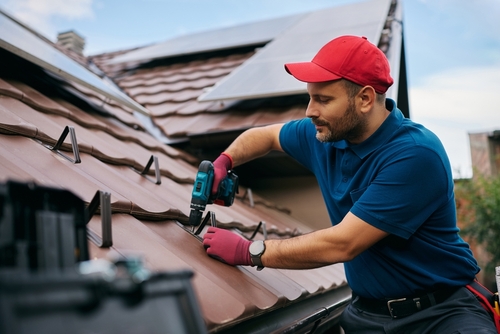
A common budgeting guideline is to set aside about one percent of your home’s value each year for maintenance. That means a $500,000 home could require roughly $5,000 annually just to stay in good shape. This includes servicing heating and cooling systems, cleaning gutters, and maintaining exterior paint or siding. Small preventative tasks help avoid much larger repair bills later.
Unlike rent, maintenance is not optional if you want to preserve your home’s value. Ignoring minor roof damage or plumbing leaks can lead to structural problems and mold. Even landscaping requires regular attention to prevent drainage or foundation issues. These steady, unglamorous expenses are the backbone of responsible ownership.
4. Major Repairs and Replacements

Every home has big-ticket components with limited lifespans. Roofs, HVAC systems, and water heaters eventually need replacement, sometimes costing thousands of dollars each. Appliances such as refrigerators and ovens typically last between 10 and 20 years depending on usage and quality. These costs are predictable in theory but unpredictable in timing.
A furnace rarely waits for a financially convenient moment to fail. When a major system breaks, you often have to act quickly for safety or habitability reasons. Emergency repairs can also cost more than planned replacements. Keeping a dedicated home repair fund can prevent these surprises from turning into debt.
5. Utilities
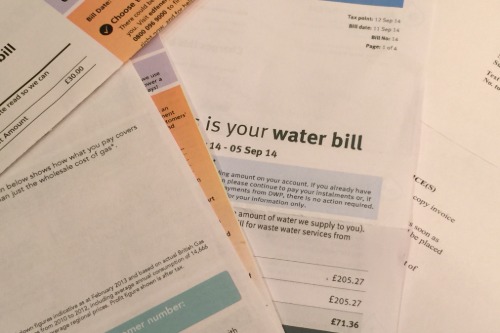
Moving into a larger home often means higher utility bills. Heating and cooling more square footage requires more energy, especially in extreme climates. Older homes may have outdated insulation or single-pane windows that drive up costs. Seasonal swings can make some months dramatically more expensive than others.
Water, sewer, trash, and sometimes stormwater fees add to the monthly total. If your dream home includes a pool, irrigation system, or hot tub, those features increase both water and electricity use. Utility providers may also adjust rates over time. Reviewing past utility averages from the seller can help you estimate more accurately.
6. HOA Fees and Assessments

If your property is governed by a homeowners association, dues are part of the package. These fees often cover shared amenities such as landscaping, exterior maintenance in condos, or community facilities. Monthly or quarterly payments can range widely depending on the neighborhood and services provided. Unlike a fixed-rate mortgage, HOA dues can increase with board approval.
Special assessments are another potential cost. If the association needs major repairs and reserve funds are insufficient, homeowners may receive additional bills. These assessments can amount to thousands of dollars and are typically due within a short window. Reviewing the association’s financial statements and reserve studies before buying is essential.
7. Closing Costs

The money required at closing goes well beyond your down payment. Buyers typically pay for appraisals, inspections, loan origination fees, and title insurance. These expenses commonly total between two and five percent of the purchase price. On a $400,000 home, that could mean $8,000 to $20,000 upfront.
Some buyers choose to finance certain costs, which increases the total loan amount. That decision can raise monthly payments and the total interest paid over time. Underestimating closing costs can quickly drain emergency savings. Planning for them early prevents last-minute financial stress.
8. Mortgage Interest Over Time
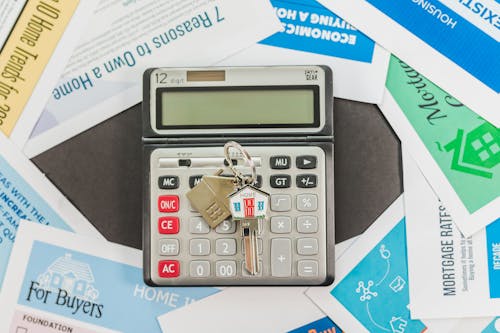
A mortgage spreads the cost of your home over decades, but interest significantly increases the total paid. With a 30-year loan, a substantial portion of early payments goes toward interest rather than principal. Even at moderate interest rates, the total interest paid can reach tens or hundreds of thousands of dollars. This reality often surprises first-time buyers who focus only on the monthly payment.
Refinancing can reduce your rate, but it involves fees and closing costs. Extending the loan term during refinancing may lower payments while increasing total interest. Making extra principal payments can reduce long-term costs, but not everyone has room in their budget for that. Understanding amortization helps you see the full financial picture.
9. Renovations and Personalization

Few homeowners move in and change nothing. Kitchen remodels, bathroom updates, and new flooring projects can quickly climb into the tens of thousands of dollars. Even smaller projects add up when you factor in materials, labor, and permits. Not every upgrade increases resale value enough to recoup its cost.
Some renovations are elective, but others are required for safety or code compliance. Older electrical systems, plumbing, or structural elements may need updates. Permit fees and inspections add time and expense to projects. Planning renovations carefully helps avoid overspending in the excitement of ownership.
10. Furnishings and Move-In Expenses

A bigger house often means more rooms to furnish. Sofas, beds, dining tables, and outdoor furniture can collectively cost thousands of dollars. Window treatments, lighting fixtures, and storage systems are easy to overlook during the buying process. These items are not included in your mortgage but are necessary to make the home functional.
You may also need to replace appliances if they are outdated or not included in the sale. Delivery and installation fees add to the purchase price. Moving costs, including professional movers or truck rentals, further increase initial expenses. These upfront outlays can strain cash reserves right after closing.
11. Opportunity Costs

The money tied up in a down payment and ongoing home expenses has alternative uses. Those funds could be invested in retirement accounts, businesses, or diversified portfolios. While home equity can appreciate, it is not as liquid as cash or market investments. Accessing it often requires selling or taking out a loan.
Homeownership can also reduce flexibility in career or lifestyle decisions. Relocating for a job may require selling in an unfavorable market or managing a rental property from afar. Transaction costs such as agent commissions and closing fees make frequent moves expensive. Weighing these trade-offs ensures your dream home supports, rather than limits, your broader goals.
This post The Unseen Costs of Owning Your Dream Home was first published on American Charm.

