
1. Coalinga, California

The city of Coalinga sits in a rural stretch of Fresno County where medical options are limited. Coalinga Regional Medical Center has struggled financially over the years, reflecting the broader crisis facing small rural hospitals. When services are reduced or temporarily suspended, residents must travel to Fresno for many forms of specialized care. For low-income families and seniors, that distance can become a serious barrier.
The hospital’s survival matters not just for health but for the local economy. It is one of the city’s largest employers and a stabilizing institution. Keeping emergency services operational ensures farmworkers and oilfield workers have somewhere nearby to turn after accidents. In Coalinga, healthcare access supports both public safety and economic resilience.
2. McAllen, Texas
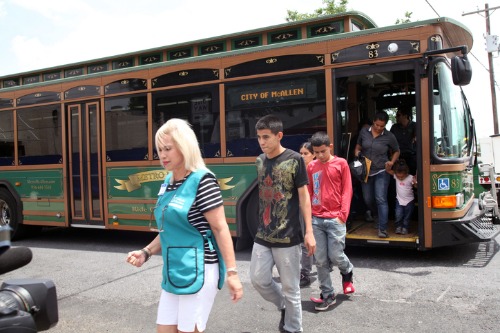
McAllen once became shorthand in healthcare policy debates because of its unusually high Medicare spending per enrollee. Researchers and journalists pointed to patterns of intensive testing and treatment that drove costs far above national averages. The spotlight turned this border city into a case study in how incentives shape care. It also sparked local conversations about quality versus quantity in medicine.
Over time, providers in McAllen worked to improve coordination and reduce unnecessary procedures. Accountable care models and greater oversight helped bring Medicare costs closer to the national norm. That shift demonstrated that healthcare access isn’t just about having hospitals, but about how care is delivered. For residents, it meant a system more focused on outcomes rather than volume.
3. Ketchikan, Alaska
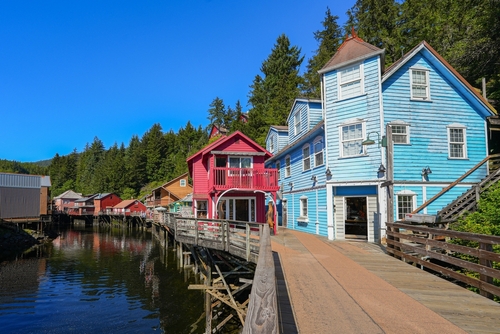
In remote Ketchikan, geography defines healthcare access. Surrounded by water and mountains, the town relies heavily on the PeaceHealth Ketchikan Medical Center for hospital services. When weather grounds flights or rough seas delay ferries, transferring patients to larger cities like Anchorage or Seattle becomes complicated. That isolation raises the stakes for maintaining strong local emergency and primary care.
Recruiting specialists to Southeast Alaska has always been a challenge. When a community this remote gains or loses even one provider, wait times can shift dramatically. Investments in telehealth have helped bridge some of the gaps, especially for behavioral health and specialty consultations. In Ketchikan, access changes everything because there are no easy backups.
4. Belhaven, North Carolina

When Pungo District Hospital closed in 2014, this small waterfront town in Belhaven lost its only local hospital. Residents suddenly faced ambulance rides of 30 miles or more to reach facilities in Washington or Greenville. In emergencies like strokes or heart attacks, that extra travel time can mean the difference between recovery and lifelong disability. The closure became a national example of how rural hospital shutdowns ripple through entire communities.
After years of advocacy and restructuring, a scaled-down hospital reopened in 2017 under new ownership. It doesn’t offer the full range of services the original hospital once did, but it restored 24-hour emergency care. That single change brought back jobs, stabilized local EMS response, and reassured retirees considering whether to stay. In Belhaven, access to even limited hospital services fundamentally changed how safe people feel living there.
5. Libby, Montana

Libby has faced a long public health crisis linked to asbestos exposure from a former vermiculite mine. The town was declared a public health emergency in 2009 because of widespread asbestos-related disease. Local healthcare providers had to adapt to monitor and treat chronic respiratory conditions affecting hundreds of residents. Specialized screening and long-term care became essential parts of the community’s medical landscape.
Federal support helped expand services and fund ongoing health programs. Without accessible local clinics familiar with asbestos-related illnesses, many residents would have struggled to receive consistent monitoring. The presence of trained professionals who understand the town’s specific risks has made a measurable difference in early detection. In Libby, healthcare access is directly tied to environmental justice and survival.
6. The Villages, Florida

The Villages is one of the fastest-growing retirement communities in the United States. Its population skews heavily toward adults over 65, which naturally increases demand for cardiology, oncology, and orthopedic services. As the community expanded, so did the local healthcare infrastructure, including new hospitals and specialty clinics. Access to comprehensive care is a major selling point for incoming residents.
The area is served by facilities such as UF Health The Villages Hospital and other regional providers. Having advanced services nearby reduces the need for elderly patients to travel long distances for complex procedures. That convenience affects everything from recovery times to family involvement in care. In a community built around retirement living, healthcare access shapes daily life.
7. Gallup, New Mexico

In Gallup, healthcare access intersects with Native American health disparities. The city serves as a medical hub for parts of the Navajo Nation and surrounding tribal communities. Rehoboth McKinley Christian Health Care Services has experienced financial instability, at times threatening hospital operations. Any disruption there affects a vast rural region.
Many residents rely on a mix of Indian Health Service facilities and local hospitals. High rates of diabetes and other chronic illnesses increase the need for consistent primary and specialty care. When services are strained, patients may face long travel distances or delays. In Gallup, stable healthcare access is closely linked to addressing longstanding inequities.
8. Juneau, Wisconsin
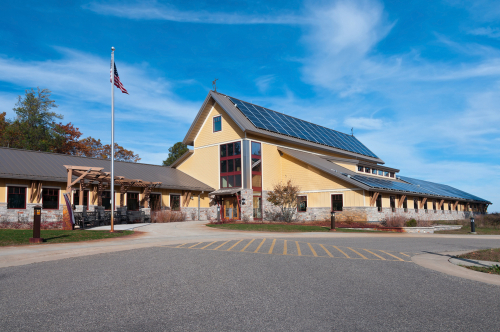
The small city of Juneau became part of a broader rural healthcare debate when its local hospital closed in 2017. Beaver Dam Community Hospitals ended inpatient services there, shifting care to other locations in Dodge County. Residents suddenly had to drive farther for hospital admissions and certain emergency needs. For older adults and those without reliable transportation, that shift was significant.
Local leaders explored ways to maintain at least some level of medical presence in the community. Clinics and outpatient services continued, but the absence of a full-service hospital changed emergency planning. Property values and business recruitment were also affected, as healthcare access factors into relocation decisions. In Juneau, the closure underscored how central hospitals are to small-town stability.
9. Detroit, Michigan
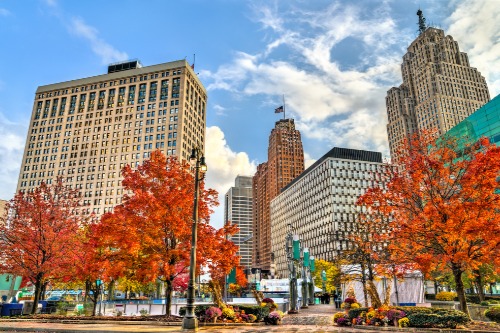
In Detroit, hospital access has fluctuated alongside the city’s economic fortunes. The 2019 closure of Mercy Hospital left a gap in northwest Detroit’s healthcare landscape. Residents in already underserved neighborhoods faced longer travel times for inpatient and emergency care. In a city with high rates of chronic disease, those barriers matter.
Major systems like the Detroit Medical Center and Henry Ford Health continue to operate large hospitals in other parts of the city. Still, distribution of services is uneven, and transportation challenges persist. Community health clinics and federally qualified health centers play a critical role in filling gaps. In Detroit, where inequality is visible block by block, healthcare access can shape life expectancy.
10. Elko, Nevada

Elko serves as a regional hub for northeastern Nevada’s vast rural expanse. Northeastern Nevada Regional Hospital provides key services to ranching and mining communities spread across long distances. Serious trauma cases may still require air transport to larger cities like Reno or Salt Lake City. That reality makes the strength of the local hospital especially important.
Recruiting physicians to rural Nevada remains an ongoing challenge. When specialists are unavailable locally, patients may delay care because of travel burdens. Investments in telemedicine have expanded access to behavioral health and specialty consultations. In Elko, healthcare access determines whether rural residents receive timely treatment or put it off.
11. Pine Ridge, South Dakota
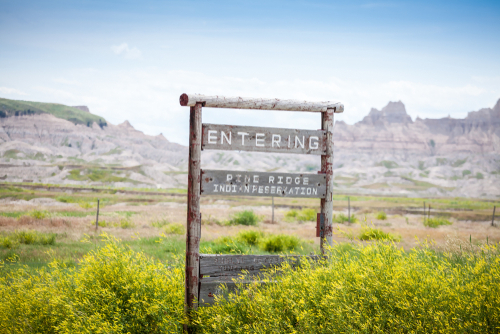
Near Pine Ridge on the Oglala Lakota County side of the Pine Ridge Reservation, healthcare access has long been strained. The Pine Ridge Indian Health Service Hospital serves a large population with limited resources. High rates of poverty, diabetes, and substance use disorders increase demand for comprehensive services. Staffing shortages and funding constraints can make consistent care difficult.
Community advocates have pushed for expanded mental health and addiction treatment services. When programs are added, even incrementally, the impact is visible in reduced emergency visits and better chronic disease management. Access to culturally competent care also improves trust in the system. In Pine Ridge, healthcare access is inseparable from broader efforts to close life expectancy gaps.
12. Clarksdale, Mississippi
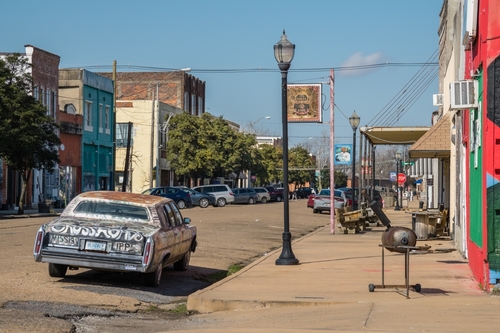
Clarksdale, known for its deep blues heritage, has also faced healthcare instability. Northwest Mississippi Regional Medical Center closed in 2023, leaving Coahoma County without a hospital. Residents must now travel to nearby towns for emergency and inpatient services. For a region with high poverty rates, that distance adds another layer of vulnerability.
Local officials have worked to attract new providers and explore reopening options. In the meantime, clinics and urgent care centers are trying to absorb increased demand. The hospital’s closure has affected jobs, tax revenue, and community morale. In Clarksdale, the absence of a hospital shows just how much healthcare access underpins a town’s future.
This post Why Healthcare Access Changes Everything in These Towns was first published on American Charm.

