1. Newark, New Jersey
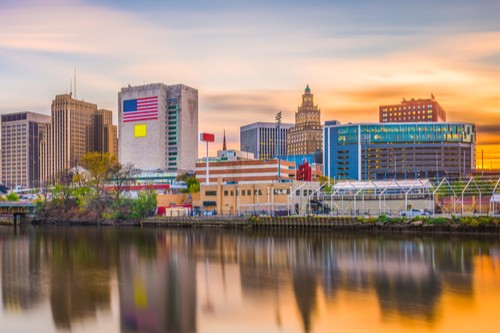
Newark has become almost infamous for how quickly rents can jump, and it’s not just because it sits near New York City. Between early 2024 and early 2025, average rents there climbed over 8 %, one of the highest rates of increase among big U.S. cities. That means a place that cost $2,073 a month one year might cost well over $2,200 the next. Rapid demand from commuters and limited new supply have helped push prices up seemingly overnight.
For renters, Newark’s boom can feel sudden — one month an affordable alternative to NYC, the next a rival in terms of costs. This kind of trajectory is why it often pops up on lists of “rent shock” cities. Locals often joke that finding a good deal means moving fast — literally. Many attribute the pace to both spillover from Manhattan and a tight local housing stock.
2. Chicago, Illinois
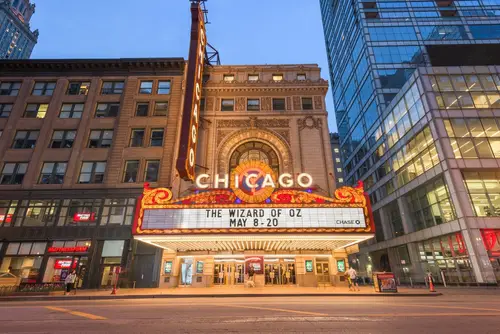
Chicago might surprise you as a Midwest city that’s suddenly not as cheap as it once was. Data from rental analyses shows that Chicago’s rent increases have outpaced many other big U.S. metros, with some reports noting double‑digit year‑over-year jumps. That kind of rapid shift can leave renters scrambling for budget adjustments or to lock in leases early. Its popularity among young professionals and students has only intensified competition for units.
Despite its reputation for spacious neighborhoods and comparatively lower housing costs than coastal cities, Chicago’s rental market has tightened considerably. Turnover slows, vacancy rates drop, and landlords gain bargaining power — all drivers of sudden price hikes. People relocating for jobs, especially into sectors clustered downtown, keep demand high. Even in traditionally affordable areas, tenants report feeling caught off‑guard by new pricing.
3. Cleveland, Ohio
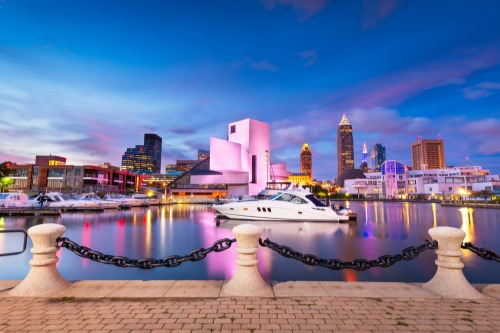
Cleveland’s rent trajectory bucks the old stereotype of slow, Midwestern markets. It has seen some of the fastest year‑over-year rent growth in recent data, with increases around 7 % between 2024 and 2025. For a place that long served as a more affordable alternative to bigger metros, that kind of leap can feel abrupt. New interest from remote workers and retirees alike has shifted local demand dynamics quickly.
That sudden heat has made Cleveland a cautionary tale for people priced out of coastal hubs seeking lower cost options. When prices accelerate without obvious warning signs — like a big employer arriving or massive new development — it’s easy to feel like rents “skyrocketed.” Yet that’s precisely what happened as the city’s housing stock struggled to keep up with demand. Many longtime renters now face a choice: renew at higher rates or relocate further out from the city center.
4. Columbia, South Carolina
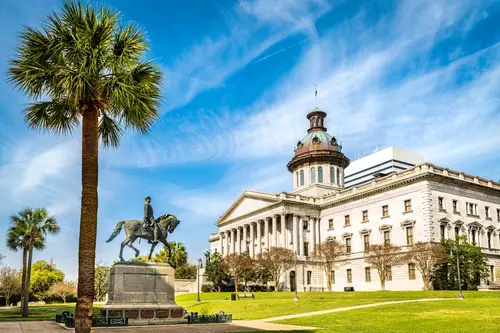
Columbia hasn’t always been on everyone’s radar, which is part of why its rent spikes feel so sharp. In recent comparisons of rent growth rates, this capital city’s increases have outpaced many larger markets. A combination of population growth, limited new construction, and strong economic ties to government and education have fueled demand. When rents tick up quickly in a place without a big buzz, it’s easy for renters to feel blindsided.
Locals often note that Columbia’s appeal — warmer weather, comparatively affordable living, and growing job opportunities — has translated into faster-than-expected rent pressure. New residents coming in for work or school push available units off the market quickly. So a rent jump here isn’t random; it’s driven by a convergence of people and places that suddenly want to be there. For many long-time residents, it can seem like the cost of living transformed overnight.
5. St. Petersburg, Florida
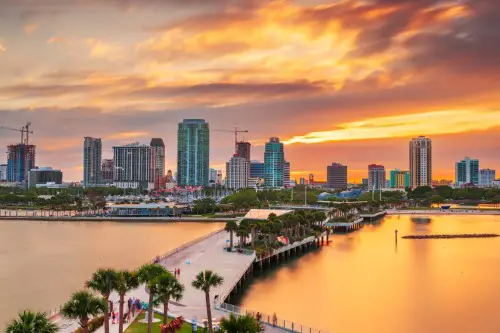
St. Petersburg has quietly become one of Florida’s hottest rental markets, and that’s put upward pressure on prices fast. Between early 2024 and early 2025, average rents in the area rose by around 6 %, above what many would expect from a midsize coastal city. Sun Belt migration trends and limited beachfront properties mean demand outstrips supply pretty quickly. Tourists and remote workers especially have pushed St. Pete from a sleepy destination to a competitive rental scene.
That dynamic can feel abrupt to locals. One year you’re renewing a lease; the next you’re negotiating with dozens of interested renters. It’s one thing to hear rents are increasing; it’s another when the market tightens faster than anticipated. For those on fixed incomes or moving from inland towns, the rise can feel sudden and steep.
6. Milwaukee, Wisconsin
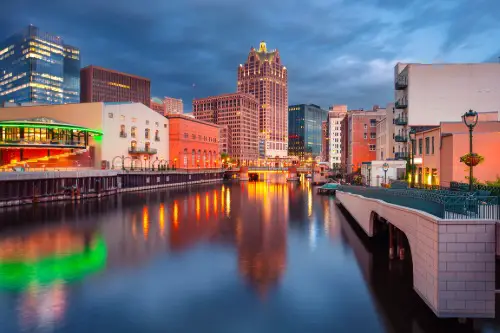
Milwaukee represents another Midwest area where rent hikes have outpaced expectations despite new construction efforts. It’s been consistently among the cities with a notable year-over-year increase, even as developers add units. That juxtaposition — new supply but still rising prices — can make rent jumps feel unpredictable to tenants. A growing local job market and influx of younger renters contribute to steady demand.
For many people considering Milwaukee as a relative bargain, the sudden tightening is a wake-up call. The city’s revitalized downtown and cultural scene attract newcomers who might otherwise choose larger metros. As more people prioritize walkable urban living, vacancy rates shrink and landlords feel empowered to raise rates. It’s a subtle shift that can lead to sharp cost increases without much apparent warning.
7. Fort Wayne, Indiana
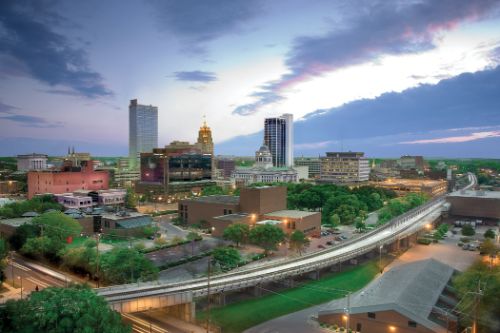
Fort Wayne is the kind of city where rent increases can catch people off-guard precisely because it’s not on most big housing market radars. Yet recent data show annual rent growth rates that rival much larger cities. A combination of rising jobs, affordable cost of living, and spillover from bigger Midwest cities has made Fort Wayne’s rentals more sought after. That’s a recipe for price jumps that feel unexpected to renters used to stability.
Since local housing construction hasn’t kept pace with this sudden interest, the supply-demand imbalance pushes costs upward. One week you might see a unit go for $1,100; the next similar units are $100 to $150 more. That sort of shift hits renters first and fast. For those budgeting carefully, it’s a stark reminder that even smaller markets can see rapid rent growth.
8. Toledo, Ohio
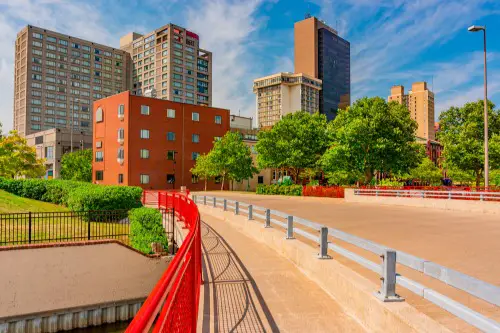
Toledo’s rent growth has also surprised many renters who historically saw it as a lower-cost city. In the span of a year, rents there climbed at one of the higher rates in national comparisons, catching both new and longtime residents by surprise. A revitalized local downtown and relative affordability compared with bigger cities make it an attractive option — and that demand pushes prices up. Limited new construction amplifies the effect.
That combination of factors creates a market where renters can feel blindsided by sudden hikes. One year’s comfortable lease renewal can turn into a big jump at renewal time, simply because demand picked up faster than expected. It’s a reminder that rent volatility isn’t confined to big coastal hubs. Even smaller cities like Toledo can see sharp changes.
9. Detroit, Michigan
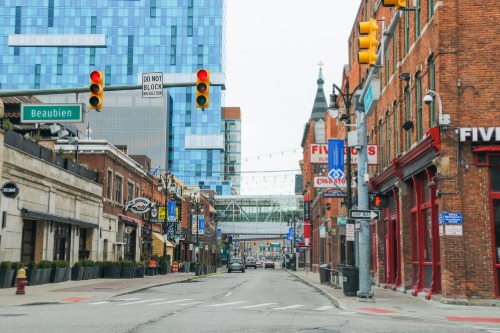
Detroit often surprises people because they associate it with affordability — but rents there have been on the rise too. Average rents increased notably in recent data, reflecting broader revitalization efforts and rising interest from young professionals. Once struggling neighborhoods now see renewed investment, which boosts nearby rental prices. That sudden sense of a “hot market” can hit renters on a tight budget hard.
Detroit’s bounce back isn’t uniform across the city, but in many pockets it’s pronounced enough to affect averages. When local demand increases faster than new units come online, landlords feel confident raising rents. It’s exactly that dynamic that feels like an abrupt increase rather than a gradual creep. For many, Detroit’s growth has been a welcome economic sign — and a real-world lesson in how quickly rent can follow.
10. Lexington, Kentucky
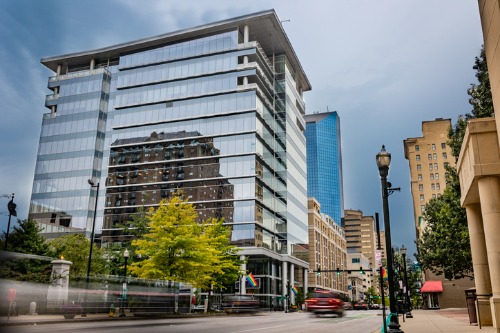
Lexington might not be the first name that comes to mind in rent-spike conversations, but it’s been on lists of places where rental costs climbed faster than the U.S. average. With increases of about 5–6 % year-over-year, it’s gained attention for its leap relative to its historical pace. A thriving job market, university population, and quality-of-life appeal drive steady demand. That demand meets a supply that hasn’t expanded equally.
When rents rise in a city not known for dramatic housing swings, it can feel shocking. Renters renewing leases often comment on how much costs increased compared to just a year ago. For locals budgeting around stable rent, a few hundred extra dollars a month adds up quickly. Lexington’s case shows rent pressure isn’t just a big-city problem anymore.
11. Rochester, New York
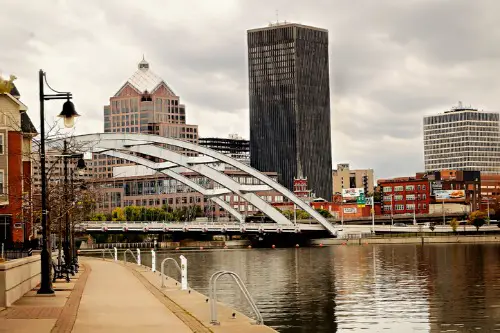
Rochester rounds out this list as another example of unexpected rent pressure in a traditionally quieter market. Rents there climbed more than 5 % between 2024 and 2025, which is significant given its lower base compared with coastal metros. A combination of limited new housing additions and renewed demand from people priced out of bigger Northeast cities has driven this uptick. That creates a situation where rent can feel to locals like it jumped overnight.
For someone used to modest annual rent adjustments, seeing Rochester’s numbers jump can be a real eye-opener. Unlike big cities with constant media attention, Rochester’s rent story is more discreet but no less real to residents. And because prices started lower, the percentage increases loom large in household budgets. It’s a strong example of how regional dynamics can shift quickly and without much fanfare.
This post Where Rent Prices Skyrocket Without Warning was first published on American Charm.