
1. Anchorage, Alaska

Anchorage presents a different kind of affordability challenge. Goods often cost more because of transportation expenses to the state. Utility bills, especially for heating, can be significantly higher than national averages. On a fixed income, seasonal spikes can create financial stress.
Home prices are lower than in many coastal metros, but maintenance costs can be steep. Property taxes vary, and homeowners must budget for snow removal and winter upkeep. Groceries and basic services typically cost more than in the lower 48 states. The natural beauty is unmatched, but living there requires financial resilience.
2. New York City, New York

New York City is famous for opportunity, but it’s equally famous for sky-high living costs. Manhattan rents often exceed $4,000 per month for a modest one-bedroom apartment. Groceries, transportation, and dining out routinely cost more than in most other U.S. cities. For retirees or anyone living on a fixed monthly check, the math can get tight very quickly.
Property prices across the five boroughs remain well above national averages. Co-op fees and property taxes add to housing expenses in ways that surprise newcomers. Even everyday conveniences like parking garages or ride shares can strain a limited budget. The city that never sleeps can also keep you up at night worrying about expenses.
3. Honolulu, Hawaii
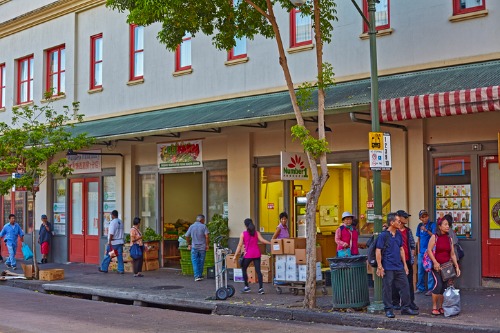
Honolulu consistently ranks among the most expensive U.S. cities, largely because nearly everything must be shipped to the islands. Grocery bills are noticeably higher than on the mainland, especially for imported goods. Median home prices often exceed $800,000, and rents reflect similar pressure. Fixed incomes can struggle to stretch far in paradise.
Utility costs are also elevated, with electricity prices higher than the national average. Transportation can be costly, especially if you rely on a car for island travel. Healthcare expenses and insurance premiums can also trend upward. While the beaches are breathtaking, the bills can be just as attention-grabbing.
4. Boston, Massachusetts
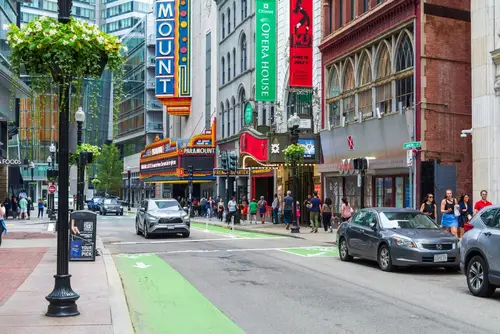
Boston blends historic charm with a very modern cost of living. Median home prices frequently sit above $700,000, and rents for one-bedroom apartments can exceed $3,000 in popular neighborhoods. Everyday expenses, from groceries to dining, trend higher than the national average. A fixed income can feel increasingly tight in this competitive housing market.
Property taxes in Massachusetts are moderate, but high property values push total bills upward. Healthcare costs can also run high, even with the city’s excellent medical institutions. Winter heating bills add another seasonal strain. It’s a vibrant place to live, but not an easy one to budget for.
5. San Diego, California

San Diego offers sunshine and ocean views, but it also comes with steep housing prices. Median home values commonly exceed $900,000, and rental prices often top $2,500 for a one-bedroom apartment. Gasoline prices in California tend to be among the highest in the nation. Those recurring expenses can quickly overwhelm a predictable monthly income.
Utility costs and homeowners insurance add to the burden. Dining and entertainment costs are also elevated compared to many inland cities. Even property taxes, though capped under California law, are significant due to high assessed values. The lifestyle is appealing, but maintaining it on a fixed income can be difficult.
6. Seattle, Washington

Seattle has experienced rapid growth, and housing prices have climbed with it. Median home values often exceed $800,000, and rents commonly surpass $2,000 for a one-bedroom apartment. Groceries and services trend higher than national averages. A steady but limited income can struggle to keep pace with those increases.
Washington State has no income tax, which helps somewhat. However, sales taxes are relatively high, increasing everyday spending. Property taxes and insurance costs continue to rise alongside home values. For many retirees, the trade-offs can be challenging.
7. Miami, Florida

Miami has seen sharp housing price increases in recent years. Median home prices frequently exceed $600,000, and rental rates have surged as well. Insurance costs, particularly homeowners insurance, have climbed significantly in Florida. On a fixed income, those combined expenses can feel overwhelming.
While Florida has no state income tax, property insurance and property taxes can offset that benefit. Utility costs, especially air conditioning, are high year-round. Groceries and dining also trend above national averages in popular neighborhoods. The tropical setting is enticing, but affordability can be elusive.
8. Los Angeles, California

Los Angeles is synonymous with high housing costs. Median home prices often hover near or above $900,000, while rents for a modest apartment can exceed $2,500 per month. Gas prices in California routinely rank among the nation’s highest. Fixed incomes often struggle to absorb those steady outflows.
Traffic also increases transportation costs, whether through fuel or car maintenance. Utility bills and homeowners insurance can add to monthly obligations. Even everyday goods and services are priced at a premium in many neighborhoods. The glamour comes with a sizable price tag.
9. Washington, D.C.
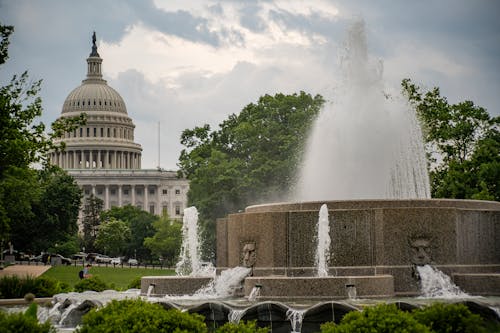
Washington combines political prestige with elevated living expenses. Median home prices frequently exceed $600,000, and rents for one-bedroom apartments often top $2,500. Dining, parking, and entertainment can quickly add up. A fixed income can feel especially restrictive in this competitive housing market.
Property taxes and condo fees increase overall housing costs. Healthcare expenses and insurance premiums can be high in urban centers. Public transportation, while available, still adds recurring monthly costs. Living near the nation’s capital can stretch a retirement budget thin.
10. Denver, Colorado

Denver has transformed into a high-demand city with rising housing costs. Median home prices commonly exceed $550,000, and rental prices reflect similar growth. Property taxes and homeowners insurance add to monthly obligations. Those steady expenses can make fixed incomes feel increasingly tight.
Colorado’s popularity has driven up everyday expenses like dining and recreation. Utility bills, particularly heating in winter, can spike seasonally. Healthcare costs also trend above the national average in some areas. The mountain views are stunning, but the cost of staying can be steep.
11. Portland, Oregon

Portland has experienced sustained housing price growth over the past decade. Median home values often exceed $500,000, with rents climbing accordingly. Oregon’s state income tax can take a noticeable portion of retirement income. On a fixed budget, every percentage point matters.
Property taxes and utility costs add to overall expenses. Groceries and dining out trend higher than in many smaller cities. Healthcare access is strong, but not always inexpensive. It’s a creative, vibrant place that can quietly strain a limited income.
12. Austin, Texas

Austin has seen dramatic growth and rising housing prices in recent years. Median home prices have frequently exceeded $450,000, and rents have climbed alongside demand. While Texas has no state income tax, property taxes are relatively high. Those tax bills can be tough to manage on a predictable monthly check.
Utility costs, especially during hot summers, can be substantial. Homeowners insurance rates have also risen in parts of Texas. Everyday costs like groceries and dining continue to trend upward. The lively atmosphere is appealing, but affordability has become more complicated.
13. Chicago, Illinois

Chicago offers more affordable housing than coastal cities, but costs can still challenge fixed incomes. Property taxes in Illinois are among the highest in the nation. Condo assessments and homeowners insurance can add ongoing financial pressure. Even moderate housing prices can translate into large annual tax bills.
Winters also bring higher heating costs and maintenance expenses. Sales taxes in Chicago are elevated compared to many U.S. cities. Healthcare and insurance premiums can strain limited budgets. The city has much to offer, but its recurring costs demand careful planning.
14. San Francisco, California

San Francisco has long been one of the most expensive cities in the country, and it shows up in everything from rent to groceries. Median rents for a one-bedroom apartment regularly hover above $3,000 per month, depending on the neighborhood. Everyday costs like parking, gas, and restaurant meals are also priced at a premium. On a fixed income, those numbers can quickly swallow up a monthly check.
Home prices are even more daunting, with median values often topping $1 million. Property taxes and homeowners insurance add steady, unavoidable expenses. Even basic services such as utilities and home repairs tend to cost more than the national average. It’s a stunning place to live, but financially, it can feel out of reach without a growing income.
This post The Places That Make Fixed Incomes Feel Inadequate was first published on American Charm.

