1. Honolulu
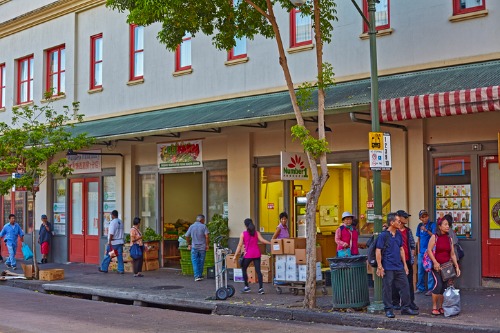
Island logistics make nearly everything more expensive to repair or replace. Shipping materials and hiring specialized labor raises baseline costs. High-rise living dominates, which means elevators and shared systems are everywhere. Each component adds to association budgets.
Salt air accelerates wear on buildings near the ocean. Frequent maintenance cycles are a necessity, not a luxury. Insurance in a remote, storm-exposed market isn’t cheap. Monthly HOA fees reflect that constant battle with the environment.
2. San Francisco

If you’ve ever browsed condos here, the sticker shock doesn’t stop at the purchase price. Many buildings stack high HOA fees on top of already sky-high mortgages. Older high-rises often require constant seismic retrofitting and infrastructure upgrades. Those costs frequently land right in the HOA budget.
Residents can easily see monthly fees north of $800 to $1,500 in full-service buildings. Amenities like doormen, elevators, and shared garages aren’t cheap to maintain. Insurance premiums in a dense, high-risk market add another layer. Over time, what felt like a manageable payment quietly balloons into a second rent.
3. New York City

Co-ops and condos here often carry HOA or maintenance fees that rival a small mortgage. Aging buildings require constant repairs to boilers, roofs, and façades. Strict city compliance rules can trigger sudden assessments. Owners end up paying for systems they barely think about day to day.
Luxury towers add staffing, concierge services, and elaborate amenities into the mix. Even modest buildings face rising labor and insurance costs. Fees commonly climb year after year with little room to negotiate. Buyers who only focus on purchase price can be blindsided later.
4. Miami
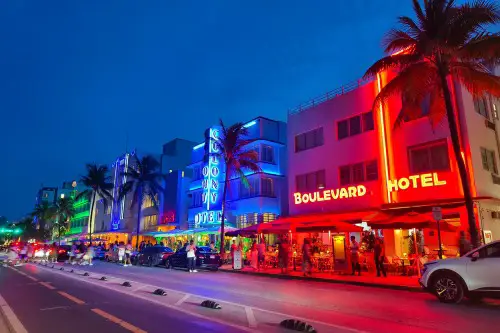
Coastal living comes with real structural and insurance expenses. After high-profile building safety concerns, many associations boosted reserves. Mandatory inspections and repairs aren’t optional. Those bills flow straight into HOA dues.
Hurricane preparedness also drives up maintenance costs. Elevated insurance premiums are baked into monthly fees. Waterfront amenities like pools and docks require constant upkeep. Residents often discover their “beach dream” includes four-figure HOA payments.
5. Seattle

A boom in condo construction brought modern amenities and higher recurring costs. Rooftop decks, fitness centers, and secure parking all need upkeep. Rainy weather accelerates exterior wear and waterproofing needs. Associations budget heavily to stay ahead of damage.
Earthquake preparedness is another quiet expense. Buildings must maintain reserves for structural improvements. Insurance premiums reflect regional risks. Over time, steady fee increases become the norm rather than the exception.
6. Boston

Historic buildings charm buyers but strain HOA budgets. Older plumbing, masonry, and heating systems demand constant attention. Preservation rules can make repairs more specialized and expensive. Associations often carry sizable reserve requirements.
Snow removal and winter maintenance are recurring line items. Shared heating systems can drive unpredictable costs. Insurance in dense historic neighborhoods isn’t trivial. Owners feel the pressure in steadily rising monthly dues.
7. Los Angeles
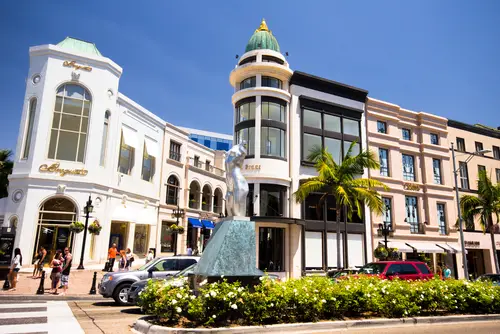
HOA communities here frequently bundle resort-style amenities. Pools, landscaping, and gated security require year-round spending. Drought regulations can complicate grounds maintenance. Associations adjust budgets to meet changing rules.
Seismic retrofits are a major long-term consideration. Insurance pricing reflects wildfire and earthquake exposure. Large complexes spread costs, but not always evenly. Residents may see special assessments when reserves fall short.
8. San Diego

Coastal air speeds up corrosion in buildings near the water. Associations must repaint and repair exteriors more frequently. Shared amenities like pools are common and maintenance-heavy. These recurring costs shape HOA dues.
Insurance premiums factor in coastal risk. Landscaping expectations remain high in planned communities. Reserve studies often recommend aggressive funding. Monthly fees reflect a proactive, but pricey, maintenance strategy.
9. Washington, D.C.

Many condo buildings occupy older structures with modern retrofits. Upgrading electrical and HVAC systems is costly. Historic district guidelines can limit cheaper repair options. Associations must plan carefully for compliance work.
Security and staffing are common shared expenses. Urban insurance costs trend higher than suburban markets. Elevators and shared infrastructure need ongoing service. HOA fees climb to cover the reality of city living.
10. Denver

Rapid growth produced amenity-rich condo developments. Gyms, lounges, and rooftop spaces carry ongoing costs. Freeze-thaw cycles stress building materials. Associations budget for frequent exterior maintenance.
Snow management is a predictable expense each winter. Insurance reflects weather variability and hail risk. Reserve funding is emphasized in newer buildings. Monthly dues rise as communities mature.
11. Chicago

High-rise living dominates much of the condo market. Elevators, shared heating, and large common areas require constant upkeep. Lakefront weather accelerates wear on façades. Associations must maintain healthy reserves.
Winter snow removal and heating infrastructure add seasonal costs. Insurance for tall buildings trends higher. Older towers often face modernization projects. Owners absorb those realities through escalating HOA fees.
12. Austin
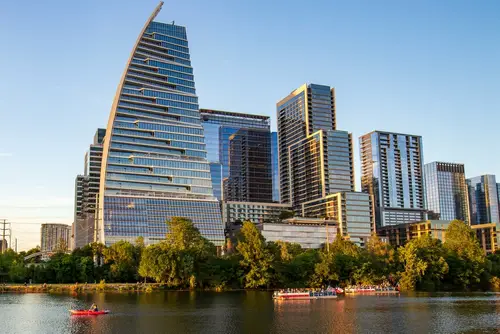
A wave of luxury condo construction introduced premium amenities. Pools, coworking lounges, and security systems aren’t cheap to run. Rapid population growth pushes labor and service costs higher. Associations adjust dues to keep pace.
Heat management and exterior wear require steady maintenance. Insurance pricing reflects regional weather volatility. Reserve studies often recommend higher contributions as buildings age. What starts as a modest fee can quietly expand year by year.
This post Where HOA Fees Quietly Ruin Budgets was first published on American Charm.