
1. Austin
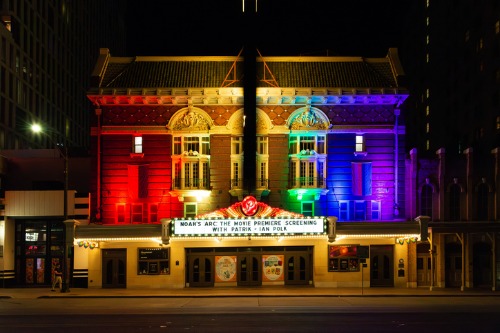
Austin looks like a glossy tech boomtown, with cranes constantly reshaping the skyline. But its rapid population growth has consistently outpaced infrastructure upgrades. Roads that were built for a smaller city now carry big-city traffic. Residents often feel that basic services are playing catch-up.
Housing affordability is one of the biggest pressure points. Rent and home prices surged during the tech influx, squeezing middle-income earners. Zoning debates show how hard it is to add supply quickly. For newcomers, the modern vibe can hide a city still adjusting to its own success.
2. San Francisco
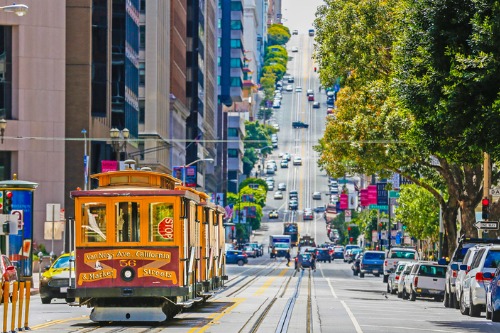
San Francisco projects innovation, wealth, and futuristic ambition. Yet its housing shortage is one of the most severe in the country. Strict zoning and limited land keep supply tight. That tension is felt immediately by anyone trying to settle there.
Public transit exists, but reliability concerns are common talking points. High living costs ripple into childcare, dining, and everyday expenses. Many workers commute long distances because they can’t afford to live nearby. The city’s polished tech image contrasts sharply with these daily realities.
3. Seattle
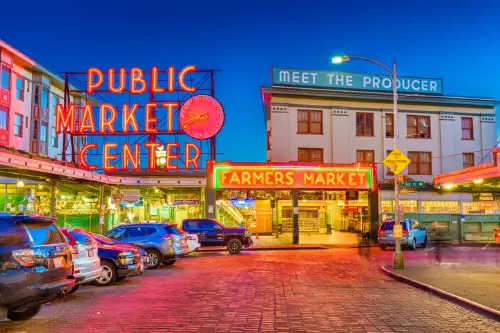
Seattle’s glass towers and tech campuses suggest seamless urban planning. In practice, growth has stressed roads, transit, and housing. Traffic congestion remains a defining complaint. Expansion projects take years to meaningfully change daily commutes.
Housing demand has climbed alongside the tech economy. Rent increases have pushed many residents farther from job centers. Weather resilience and infrastructure upgrades are ongoing conversations. The city feels modern, but the growing pains are visible.
4. Denver
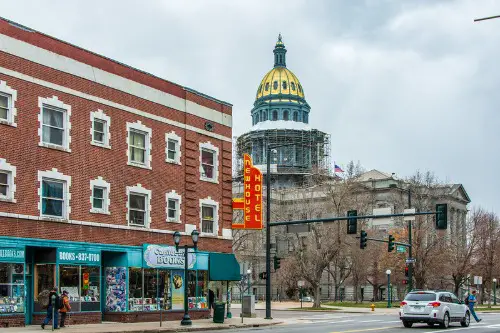
Denver markets itself as a sleek gateway to outdoor living. Population growth has accelerated faster than housing production. That imbalance contributes to rising rents and home prices. Residents often compete fiercely for limited inventory.
Transportation planning is still adapting to denser living. Suburban sprawl creates longer commutes than newcomers expect. Infrastructure expansion hasn’t fully matched demand. The result is a city still calibrating its livability.
5. Miami
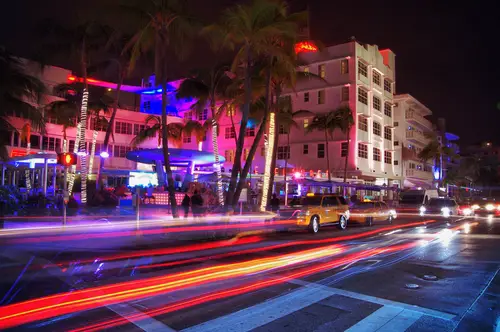
Miami’s skyline screams luxury and new construction. Beneath that shine are real concerns about flooding and sea-level rise. Sunny-day flooding has become a documented issue in some neighborhoods. Long-term resilience planning is complex and expensive.
Insurance and housing costs reflect environmental risk. Infrastructure upgrades like pump systems are ongoing but uneven. Residents must factor climate realities into daily decisions. The glamour doesn’t erase the logistical challenges.
6. Los Angeles
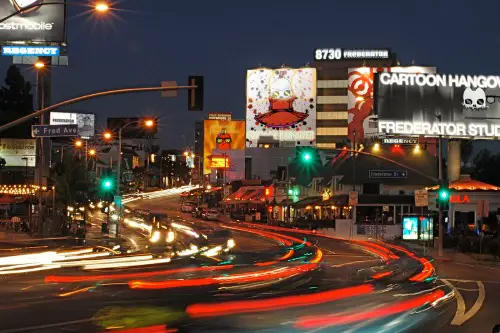
Los Angeles looks like a sprawling modern metropolis. Housing affordability remains one of its most persistent problems. High demand meets restrictive supply in many neighborhoods. That tension pushes workers into long commutes.
Traffic congestion is legendary for a reason. Transit improvements exist, but car dependence is still strong. Infrastructure maintenance is a constant undertaking. The city’s scale magnifies every planning gap.
7. Nashville
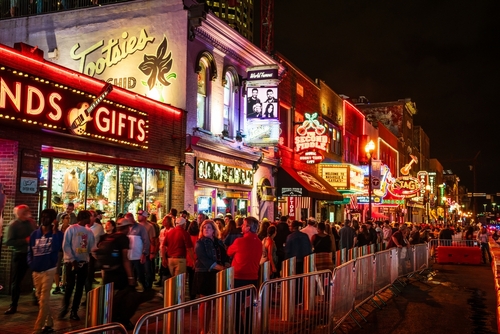
Nashville’s boomtown energy suggests effortless growth. Population increases have stressed roads and transit options. Public transportation remains limited compared to peer cities. Many residents rely heavily on cars.
Housing prices have risen alongside popularity. Rapid development sometimes outpaces neighborhood planning. Infrastructure funding debates are ongoing. The city is still learning how to support its own expansion.
8. Phoenix
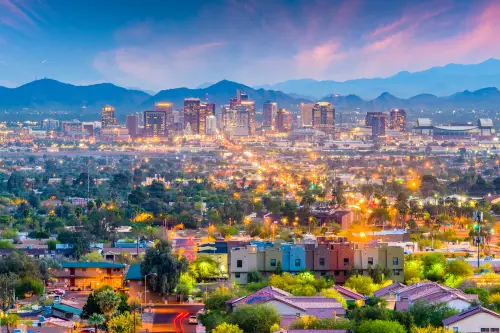
Phoenix presents itself as a modern desert hub. Extreme heat places real strain on infrastructure and utilities. Water supply planning is an ongoing regional concern. Climate adaptation shapes long-term development decisions.
Sprawl defines much of the metro area. Long drives are common for work and errands. Transit coverage is improving but limited in reach. The city’s growth model faces environmental constraints.
9. Dallas
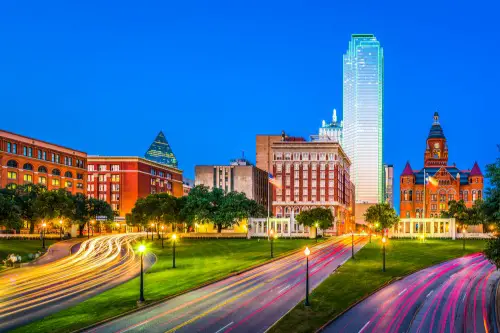
Dallas showcases gleaming business districts and rapid expansion. Its car-centric layout creates heavy traffic corridors. Commutes can stretch longer than the map suggests. Infrastructure upgrades are continuous but reactive.
Housing supply varies widely by neighborhood. Sprawl influences school access and daily logistics. Public transit exists yet competes with entrenched driving habits. Residents navigate a city built for scale more than simplicity.
10. Atlanta
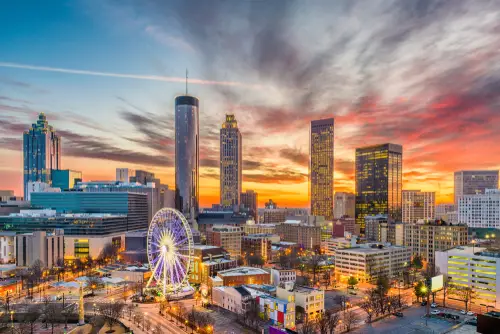
Atlanta looks like a modern Southern powerhouse. Traffic congestion is a daily reality for many commuters. Regional growth has spread jobs far beyond transit reach. That mismatch complicates mobility.
Housing affordability fluctuates sharply by area. Infrastructure projects aim to close long-standing gaps. Car dependence remains high despite transit investment. The city continues balancing growth with livability.
11. Portland
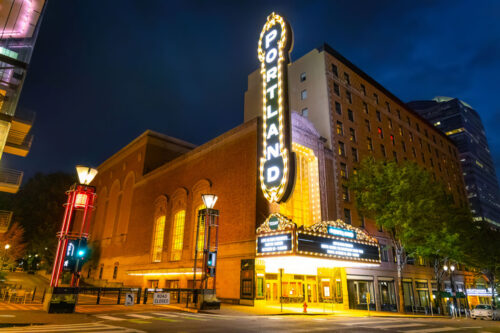
Portland’s urban design reputation attracts newcomers. Housing supply constraints have pushed prices upward. Vacancy rates tighten during growth cycles. Affordability debates shape local policy.
Transit coverage is strong in core areas but uneven elsewhere. Infrastructure upgrades compete with budget realities. Population growth pressures neighborhood character. The city’s progressive image doesn’t eliminate logistical strain.
12. San Diego

San Diego combines coastal beauty with modern development. Housing costs rank among the nation’s highest. Limited land and zoning restrictions constrain expansion. That drives fierce competition for homes.
Traffic congestion affects key corridors daily. Public transit improvements are incremental. Military and civilian growth add demand layers. The city’s lifestyle appeal masks structural limits.
13. Boston
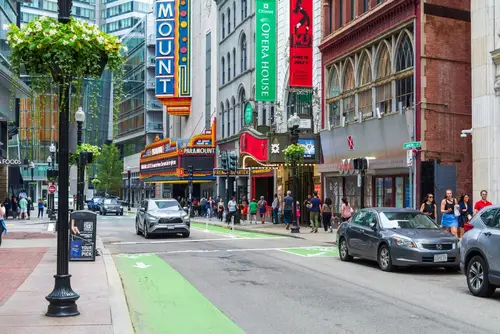
Boston blends historic charm with a modern skyline. Aging transit infrastructure requires constant repair. Service disruptions are a familiar frustration. Upgrades are complex in a dense, old city.
Housing affordability remains a central issue. Limited space intensifies competition. Infrastructure modernization takes time and funding. Residents navigate a city balancing past and future.
14. New York City
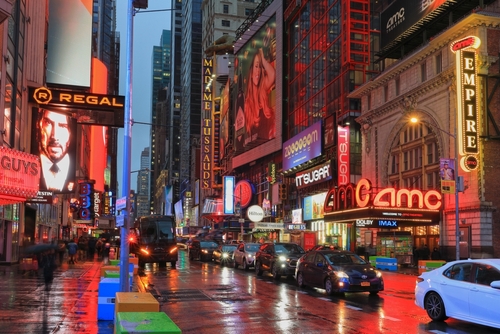
New York City feels endlessly modern and energetic. Housing costs remain a defining barrier for many residents. Demand consistently outpaces affordable supply. That pressure shapes neighborhood dynamics.
Transit scale is impressive but aging. Maintenance backlogs affect reliability. Density amplifies infrastructure stress. The city’s dynamism coexists with persistent strain.
15. Las Vegas
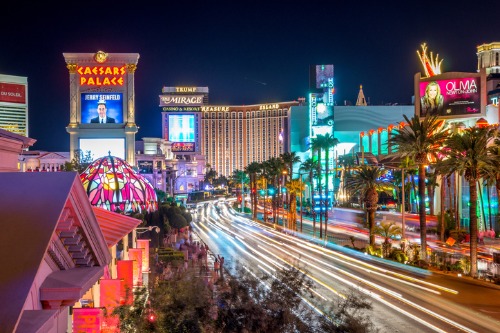
Las Vegas projects constant reinvention and flashy growth. Water supply concerns loom large in regional planning. Desert conditions demand careful resource management. Long-term sustainability is a recurring discussion.
Sprawl influences commuting patterns and infrastructure costs. Extreme heat affects energy demand and livability. Housing growth continues despite environmental limits. The city’s spectacle doesn’t remove practical challenges.
This post 15 American Cities That Look Modern—But Aren’t Ready for Residents was first published on American Charm.

