1. Las Vegas
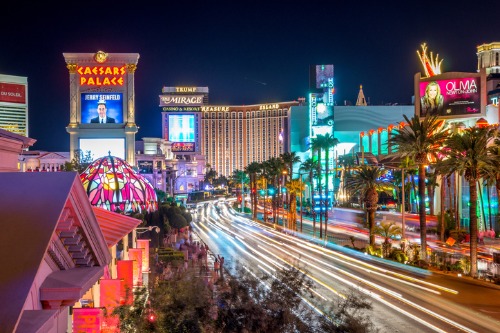
Las Vegas markets itself as a cultural playground where anything is possible, and the Strip absolutely delivers spectacle. But most of what visitors experience is corporate-managed entertainment that feels interchangeable from resort to resort. You’ll see replicas of global landmarks and headline residencies, yet very little that reflects a distinct local arts identity. The city’s branding promises a cultural capital, while the reality leans heavily toward packaged escapism.
That doesn’t make it boring — it just means expectations matter. Many travelers arrive hoping to discover a thriving grassroots scene and instead find carefully curated casino environments. Off-Strip arts districts do exist, but they’re small compared to the city’s global cultural reputation. The gap between the marketing fantasy and the lived experience is what lands Vegas on this list.
2. Orlando
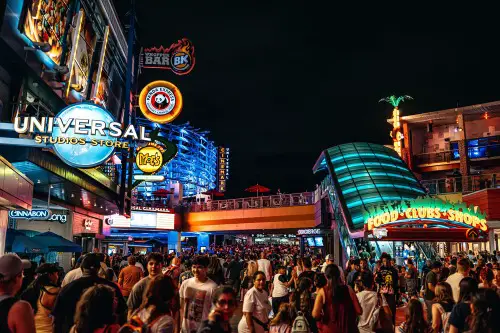
Orlando is often framed as a destination rich in imagination and storytelling, largely because of its theme park dominance. The cultural promise suggests immersive worlds and creative expression at every turn. In practice, most experiences are tightly controlled brand environments centered on rides and retail. Outside the parks, the city’s arts footprint is more modest than visitors expect.
Tourism messaging can blur the line between entertainment and culture. Travelers may assume the city offers a broad creative ecosystem beyond attractions. While there are local theaters and galleries, they’re overshadowed by corporate entertainment zones. The disconnect comes from branding that implies a full cultural capital rather than a theme-park-centered economy.
3. Atlantic City
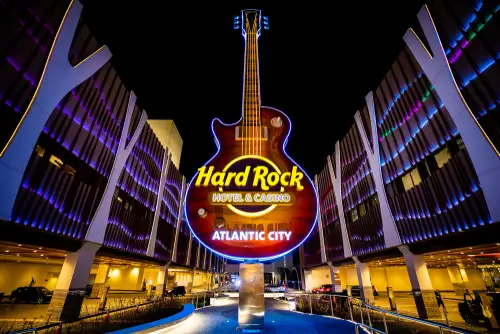
Atlantic City promotes itself as a seaside cultural escape with historic flair and nonstop entertainment. The Boardwalk’s legacy certainly carries nostalgia and recognizable landmarks. Yet much of the city’s appeal today revolves around casino floors that feel similar to gaming hubs elsewhere. Visitors expecting a vibrant arts or music scene often find a narrower entertainment focus.
The city’s historic identity suggests a thriving cultural resort town. In reality, economic ups and downs have limited the breadth of its arts infrastructure. There are pockets of creativity, but they’re not as expansive as the city’s branding implies. That contrast between reputation and current offerings defines the overpromise.
4. Branson
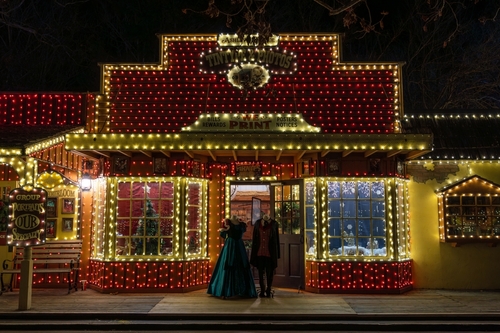
Branson bills itself as a live entertainment capital steeped in Americana. You’ll absolutely find an abundance of theaters and tribute performances. However, much of the programming centers on nostalgia acts and formulaic variety shows. Travelers expecting a diverse contemporary arts scene may feel the scope is narrower than advertised.
The city’s marketing highlights culture, but it leans heavily toward a specific style of performance. That focus appeals strongly to its core audience. For visitors seeking experimental or cutting-edge art, options are limited. The mismatch isn’t about quality — it’s about breadth versus expectation.
5. Nashville
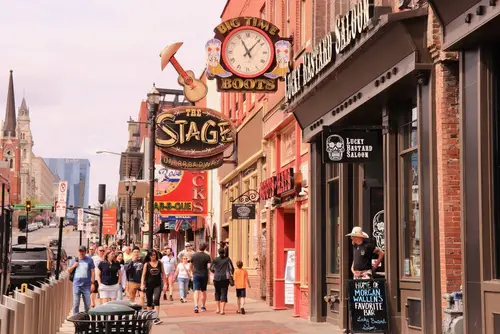
Nashville brands itself as a music mecca where creativity spills into every corner. Broadway’s honky-tonks certainly deliver nonstop live performances. Yet much of the strip features cover-heavy sets tailored to tourists. Visitors expecting a citywide, genre-spanning cultural landscape may find the public-facing scene repetitive.
The deeper music culture exists, but it often requires intentional exploration. Main tourist zones emphasize familiarity over experimentation. That can create a perception gap between Nashville’s legendary status and the experience many travelers have. The city’s reputation promises constant discovery, while the most visible areas feel commercialized.
6. Austin
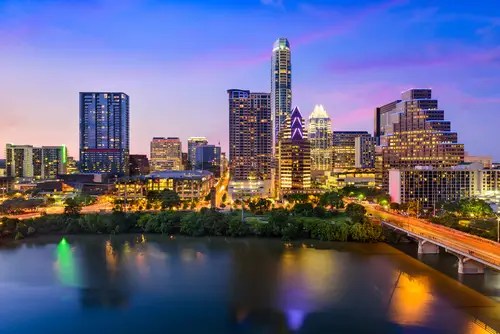
Austin promotes itself as a quirky cultural haven where creativity defines daily life. Events and slogans reinforce an image of nonstop artistic expression. In high-traffic districts, though, visitors frequently encounter standardized bars and festival-driven crowds. The lived experience can feel more like a party circuit than a broad arts immersion.
Rapid growth has reshaped parts of the city’s creative landscape. Rising costs have pushed some independent venues outward. Tourists expecting wall-to-wall eccentric culture may instead find curated nightlife zones. The cultural identity is still there, but it’s less omnipresent than the branding suggests.
7. Miami
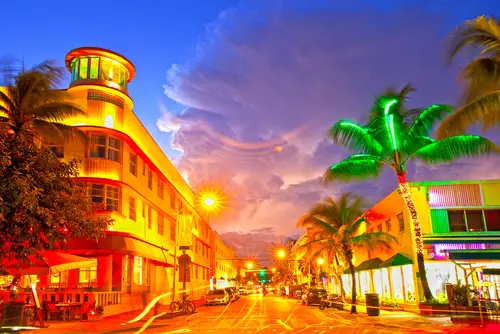
Miami markets itself as a global cultural crossroads blending art, nightlife, and international flair. Districts like Wynwood showcase striking murals and galleries. Still, many visitor experiences revolve around upscale clubs and beach tourism. The arts scene can feel concentrated rather than citywide.
Travelers sometimes expect constant immersion in diverse cultural programming. Outside signature neighborhoods, the emphasis shifts toward hospitality and entertainment. That doesn’t erase Miami’s artistic contributions, but it narrows what most tourists encounter. The promise of pervasive culture becomes a more localized reality.
8. Los Angeles
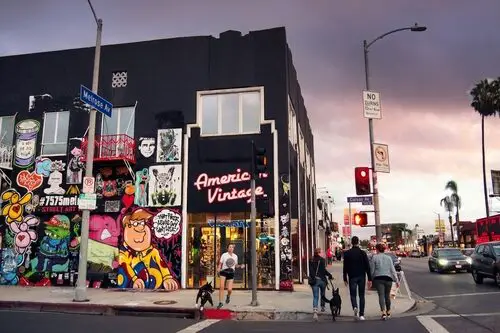
Los Angeles is synonymous with creative industries and global pop culture. Visitors often imagine a city overflowing with accessible arts experiences. In practice, much of the entertainment infrastructure is production-focused and not tourist-facing. Many iconic locations are studios or neighborhoods that don’t function as public cultural hubs.
The city absolutely influences worldwide media. But the everyday visitor experience can feel fragmented without insider planning. Cultural gems exist, yet they’re spread across a vast metro area. The expectation of instant immersion contrasts with the logistical reality.
9. New York City
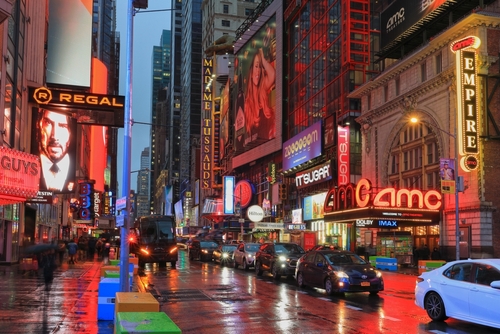
New York City promises unmatched cultural density, and in many ways it delivers. Broadway, museums, and galleries set global standards. However, tourist-heavy zones can funnel visitors into repetitive, commercial experiences. Travelers expecting constant discovery sometimes stay within a narrow entertainment bubble.
The city’s cultural depth is real but requires exploration beyond marquee districts. High costs and crowds can shape what visitors actually do. Without venturing outward, the experience may feel more transactional than transformative. The overpromise happens when expectation outpaces itinerary.
10. Seattle
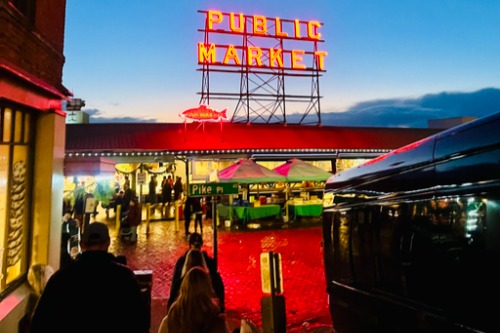
Seattle carries a reputation for groundbreaking music history and creative innovation. Visitors often anticipate a city defined by experimental culture. Popular tourist areas, though, lean toward predictable retail and waterfront attractions. The cutting-edge identity isn’t always front and center.
The legacy of influential scenes remains part of the city’s story. Yet much of that history lives in venues and communities that aren’t obvious stops. Tourists expecting constant immersion may miss those layers. The brand suggests omnipresent creativity, while access takes effort.
11. San Antonio
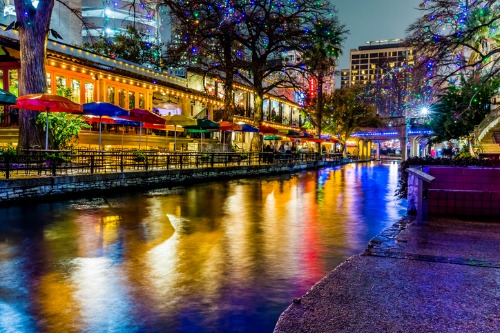
San Antonio promotes a rich blend of history and living culture centered around iconic landmarks. The River Walk offers scenic charm and heavy tourism infrastructure. Many visitor experiences cluster around dining and souvenir shopping. Those expecting a sprawling contemporary arts scene may find the focus narrower.
Historic sites provide meaningful context and storytelling. Still, the city’s cultural marketing can imply broader creative variety than tourists immediately see. Independent arts spaces exist but aren’t always part of standard itineraries. The promise leans expansive, while the visible offerings feel concentrated.
12. San Diego

San Diego is often presented as a coastal cultural gem blending history, arts, and lifestyle. Visitors quickly encounter beaches, dining districts, and family attractions. While museums and performance venues are present, they’re not as dominant as the leisure focus. The cultural narrative sometimes takes a back seat to vacation branding.
Travelers expecting a city driven by arts programming may perceive a lighter footprint. Much of the experience centers on scenery and recreation. That’s appealing in its own right, but different from the cultural immersion some anticipate. The overpromise lies in marketing tone versus visitor reality.
This post The Cities That Overpromise Culture—and Underdeliver was first published on American Charm.