
1. Sidewalk Cafes
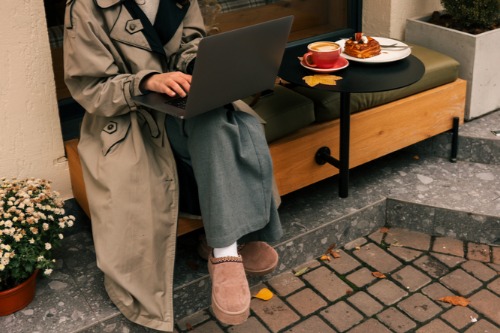
Sidewalk cafes were originally intended to enhance pedestrian space while giving restaurants an extra revenue stream. In practice, Americans have taken these spaces over with laptops and long brunches, treating them as quasi-offices. Groups often linger for hours, sometimes blocking pedestrian flow. Dog owners frequently occupy tables, turning them into social spots for both pets and humans.
This behavior is fueled by the culture of casual work and socializing outside the home. People like to “claim” a spot and stay as long as they please, ignoring the short-term seating intent. The design of these areas doesn’t usually account for the digital lifestyle of modern diners. Still, the tables function as a mix of dining, work, and social hangout zones.
2. Park Benches
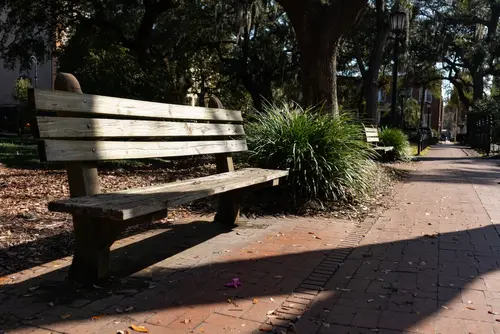
Americans often treat park benches as mini picnic spots rather than just a place to sit. People spread out blankets, snacks, or even laptops, turning what was designed for a short rest into a casual hangout. Parents let kids use benches as makeshift stages or climbing structures. Even solo visitors often stretch out to read or nap, ignoring the typical “two-person limit.”
This shift in usage is largely because public parks serve multiple purposes beyond walking or resting. The bench becomes a social hub for catching up with friends or observing the scenery. Urban designers rarely anticipate this level of multifunctionality when planning seating. Yet, benches now serve as informal dining areas, reading nooks, and even temporary workstations.
3. Grocery Store Aisles
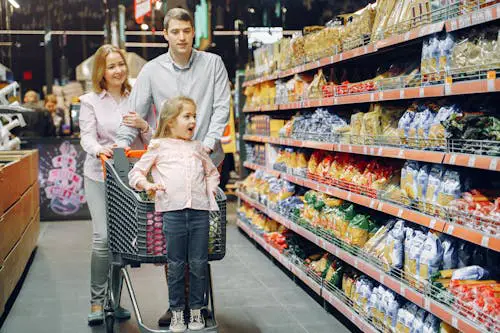
Grocery aisles were designed for quick movement from one product to another, but Americans often treat them like browsing galleries. Families linger over labels, comparing every ingredient, while kids ride in carts as if they’re amusement rides. Shoppers frequently stop mid-aisle, creating bottlenecks for others. Seasonal displays also encourage photo ops rather than shopping efficiency.
The social and cultural aspect of grocery shopping has expanded beyond pure necessity. People see it as a chance to explore trends, plan meals, or simply take a leisurely stroll. Grocery store designs rarely anticipate the social interactions that naturally occur. So aisles become multipurpose: shopping, people-watching, and occasional entertainment.
4. Public Fountains
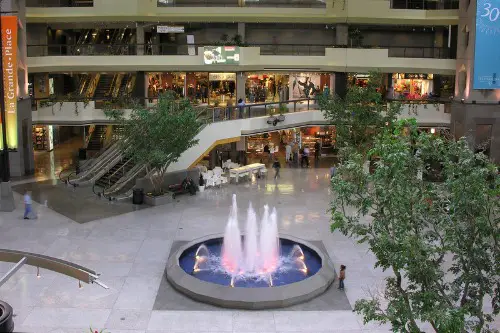
Fountains were originally intended as aesthetic centerpieces or urban cooling features. Americans, especially in warm months, often treat them like impromptu swimming pools or photo backdrops. Children splash around, and adults sit on the edges with their feet in the water. These playful interactions can damage landscaping or clog drains.
Despite being unintended, this behavior makes fountains lively community spaces. They become magnets for families, tourists, and social gatherings. City planners rarely design fountains to handle that much interaction, but it happens anyway. The public reinterprets fountains as spaces for fun, rather than purely decorative installations.
5. Playground Equipment

Playgrounds are designed for physical activity and skill development, but adults often use them differently than intended. Swings become spots for Instagram photos rather than exercise. Slides serve as stages for performances or casual lounging. Even benches and climbing structures are co-opted for socializing rather than play.
This reinterpretation shows how playgrounds function as community spaces for all ages. People enjoy these areas as aesthetic backdrops or hangout spots, not just for structured play. The design’s original intent—safe activity for kids—gets layered with adult creativity. Playgrounds evolve into multifunctional zones where social and recreational life collide.
6. Public Transportation Seats
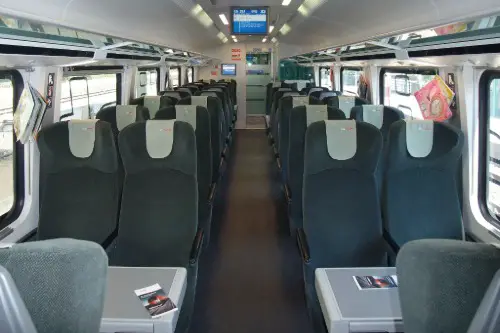
Bus and train seats are made for short-term comfort during transit, but Americans often use them as storage or mini workspaces. Bags, laptops, and grocery carts occupy more space than intended. Some commuters even turn the seats into temporary office desks, typing away on laptops. Seats meant for one person can end up accommodating multiple items instead of passengers.
This reflects a need for flexible urban mobility solutions. With longer commutes and work-from-anywhere culture, people adapt seating to fit their lifestyle. Transit authorities rarely design for this type of “seat occupation,” but it happens daily. Public transport seats often serve as an impromptu extension of home or office.
7. Public Art Installations
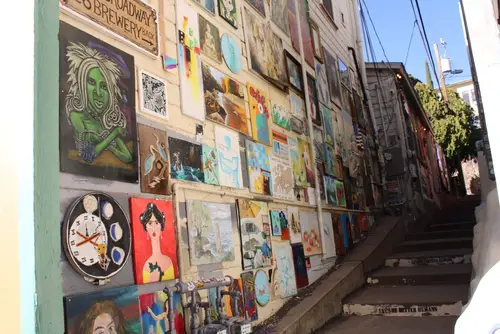
Sculptures and murals are intended for aesthetic appreciation, but Americans often repurpose them for social interaction. People sit on sculpture bases, climb parts of statues, or use murals as photo backgrounds. Some installations unintentionally double as skateboarding obstacles. Artists rarely design for these practical or playful interactions, yet it happens constantly.
The public sees art as more than visual stimulation—it’s a playground for creativity. Interacting with installations becomes part of the experience, especially in urban areas. Social media encourages people to pose with art in unconventional ways. Art spaces become stages for selfies, leisure, and community engagement.
8. Library Tables
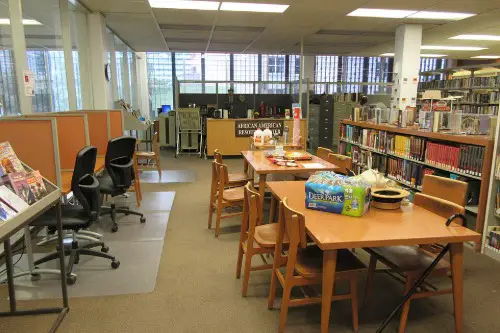
Library tables were designed for quiet study, but Americans often use them for collaborative projects or casual socializing. Students spread laptops, notes, and coffee cups across multiple seats. Friends meet up for group projects, turning study zones into small social hubs. Some even eat at the tables despite policies against it.
The evolving use reflects a shift in library culture toward community spaces. Libraries now serve as workspaces, meeting points, and study lounges simultaneously. The design’s intent—focused, quiet study—is just one of many functions. Patrons repurpose tables to accommodate both productivity and social needs.
9. Public Restrooms
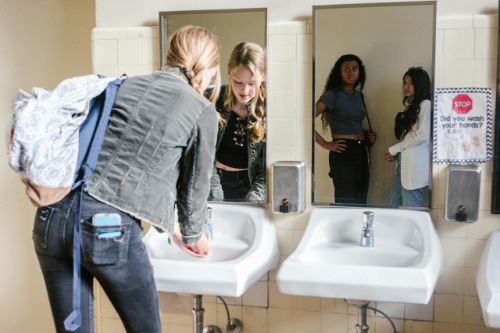
Public restrooms are clearly for hygiene, yet Americans often repurpose them in surprising ways. Parents use stalls as private changing rooms for toddlers. Shoppers check outfits in restroom mirrors when fitting rooms are full. Some people even take quick naps in restroom stalls, especially in airports or transit hubs.
This adaptation highlights how public infrastructure meets unexpected needs. Restrooms become private microspaces for convenience beyond their intended hygiene function. Designers rarely account for these secondary uses. The public transforms restrooms into flexible personal zones when needed.
10. Bus Shelters
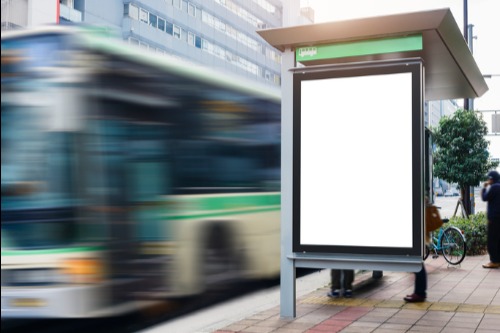
Bus shelters were meant to provide protection from weather while waiting for transit. Americans often use them as informal social spots or waiting areas for rideshare pickups. Teens may hang out, adults may check phones or eat, and the shelter doubles as a temporary meeting spot. Some shelters even see short naps when transit is delayed.
The shelter’s original purpose—practical protection—becomes secondary to social and lifestyle functions. People treat these spaces as small urban living rooms. Design rarely anticipates long-term occupation beyond waiting for the bus. Yet they fulfill a broader need for urban comfort and convenience.
11. Public Walking Trails
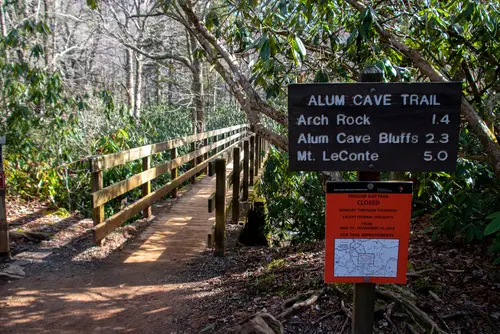
Walking trails are designed for exercise and nature enjoyment, but Americans often turn them into multifunctional spaces. Families picnic, dog owners socialize, and fitness groups take over stretches for yoga or bootcamp sessions. Trail benches become resting spots for socializing rather than walking breaks. Even cyclists sometimes stop to take photos, extending the trail’s recreational purpose.
Trails evolve into communal spaces for both recreation and connection. The original design—movement through nature—is enriched by unplanned activities. Trails accommodate a mix of leisure, exercise, and community gatherings. Americans’ creative use of trails shows how public spaces can flex beyond their intended function.
This post The Public Areas Americans Use Differently Than Designed was first published on American Charm.

