
1. Coffee Culture and Specialty Drinks

The ritual of daily coffee or specialty drinks has become a cornerstone of American life. Chains like Starbucks and local cafes create experiences beyond caffeine, offering social hubs and customizable beverages. Consumers increasingly prioritize quality, sustainability, and unique flavors over simple convenience. This habit fuels both local economies and national chains, driving trends in beverages and snacks alike.
Specialty coffee consumption also influences time management and social patterns. Morning commutes, work breaks, and weekend outings often revolve around coffee rituals. Social media amplifies trends, popularizing seasonal drinks or Instagram-ready lattes. Over time, the culture around coffee shapes expectations for both quality and experience in everyday life.
2. Streaming Everything, Everywhere
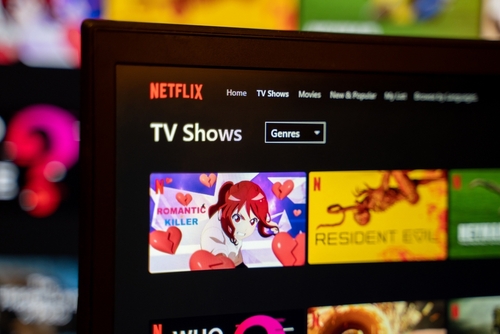
Americans have shifted from cable to streaming platforms, bingeing shows and movies on demand. Services like Netflix, Hulu, and Disney+ have changed how families structure their evenings and weekends. This habit influences everything from social conversations to the timing of meals, since people often schedule their days around episodes. It also impacts other industries like advertising, as traditional TV ads lose their reach.
Streaming has made media consumption more personalized than ever. People now pick content tailored to their tastes, which changes the cultural touchpoints shared across communities. Algorithms guide what we watch next, subtly shaping interests and preferences over time. The convenience and accessibility make it hard for many to return to scheduled programming.
3. Online Shopping Dominance
E-commerce has become a primary way Americans buy goods, from groceries to furniture. The ease of ordering from Amazon, Walmart, or Target has shifted shopping from a weekly task to a constant, almost daily habit. This behavior affects brick-and-mortar stores, which have had to adapt by offering pickup and online options. It also contributes to the rise of same-day and two-day delivery expectations nationwide.
Digital shopping encourages comparison and price hunting like never before. Apps track spending and suggest deals, subtly influencing what people buy and when. Subscription services like Amazon Prime further embed online shopping into daily life. It’s convenient, quick, and increasingly the default, changing how Americans think about consumption entirely.
4. Takeout and Food Delivery

Ordering in has exploded, with apps like Uber Eats, DoorDash, and Grubhub making it effortless. Busy schedules, convenience, and a desire for variety have made restaurant delivery a routine for many households. This habit is reshaping dining culture, with fewer people cooking at home and more relying on curated meals. Local restaurants have adapted, sometimes surviving primarily through delivery instead of dine-in traffic.
Food delivery also changes the economics of dining. Customers are more willing to pay for convenience, which boosts app-driven promotions and fees. It encourages experimentation with cuisines without leaving the house. Over time, this habit subtly shifts taste preferences and expectations about meal preparation.
5. Social Media Scrolling
From Instagram to TikTok, scrolling has become a daily ritual for millions of Americans. People check feeds for news, memes, and personal updates multiple times a day. This behavior affects attention spans and shapes how people interact socially, often replacing in-person connection. It also influences consumer choices as products trend or go viral in seconds.
Social media algorithms guide what users see, shaping preferences and behaviors in ways most don’t consciously notice. Brands capitalize on this, creating campaigns designed specifically for shares and likes. Influencer culture also directs spending, from fashion to fitness gear. Over time, scrolling embeds cultural and commercial signals into everyday life.
6. Subscription Everything

Subscription services are now everywhere: streaming, meal kits, beauty boxes, software—you name it. Americans are drawn to predictable costs and curated experiences, even for items they might have bought one-off in the past. This habit shifts spending patterns, prioritizing ongoing relationships over one-time purchases. It also drives brand loyalty, as customers often stick with what they subscribe to for convenience.
Subscriptions also impact the way people try new things. Free trials and curated boxes encourage experimentation while reducing friction. It changes consumption from occasional indulgence to habitual engagement. In some cases, subscriptions can even dictate routines, like weekly meal kit deliveries shaping cooking schedules.
7. Fitness as Lifestyle

Gym memberships, boutique classes, and home workout apps have turned fitness into a daily priority. Americans often integrate exercise into their identity, not just their schedule. Wearables like Fitbits or Apple Watches track activity and encourage competition or goals. This habit affects diet, clothing purchases, and even social habits as fitness becomes a lifestyle marker.
Fitness culture also shapes community and media consumption. People follow influencers, attend events, and participate in online challenges. The pursuit of health intersects with fashion, tech, and nutrition industries. In the long run, this integration of exercise into identity changes both spending and social behavior.
8. Conscious and Ethical Consumption
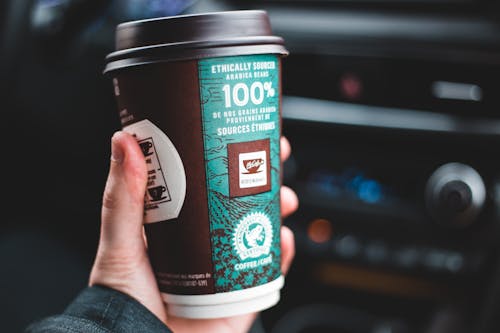
More Americans are considering the social and environmental impact of their purchases. People seek brands that are sustainable, ethical, or locally sourced. This habit influences packaging, sourcing, and marketing strategies across industries. Consumers are increasingly willing to pay a premium to align spending with personal values.
Conscious shopping also drives awareness and lifestyle changes. It encourages reducing waste, supporting fair labor, and questioning mass-produced goods. Social media amplifies ethical brands, turning purchasing decisions into public statements. Over time, these habits reshape consumer expectations and corporate practices.
9. Tech Dependence and Smart Devices

Smartphones, smart homes, and connected devices have become embedded in daily routines. Americans rely on these technologies for communication, entertainment, and household management. The convenience of voice assistants, apps, and IoT gadgets makes life more efficient but also more digitally tethered. This habit affects shopping, scheduling, and even sleep patterns.
Technology influences consumption patterns through personalization. Recommendations, notifications, and automation encourage frequent engagement with services and products. Smart devices track habits and suggest new purchases seamlessly. Over time, this dependence changes expectations for immediacy and convenience.
10. Travel and Experience Spending

Americans increasingly prioritize experiences over possessions, spending on travel, concerts, and events. Vacation planning apps and review sites make it easier to research and book trips. This habit shapes spending across airlines, hotels, restaurants, and entertainment venues. Social sharing of these experiences reinforces the trend, creating a feedback loop of desire and consumption.
Experience-driven spending also influences lifestyle and work patterns. People may save or budget differently to accommodate trips or special events. Travel trends impact cultural exposure and social preferences. Over time, prioritizing experiences can redefine personal identity and social capital.
11. Home Improvement and DIY Projects

Renovation shows, Pinterest boards, and DIY content have fueled a surge in home improvement habits. Americans invest in furniture, decor, and tools, often attempting projects themselves. This behavior impacts retail trends, from hardware stores to online marketplaces. It also fosters a sense of personal achievement and creativity tied to one’s living space.
DIY and home projects encourage sustainable and aesthetic thinking. People may repurpose or customize items, reflecting personality and taste. This habit shifts spending from pre-made goods to materials and services that enable creativity. In essence, the home becomes both a functional space and a personal canvas.
12. Health and Wellness Focus

Beyond fitness, Americans are investing in holistic health habits, from supplements to meditation apps. This includes tracking sleep, diet, mental health, and stress management. Wellness products are marketed as lifestyle necessities rather than luxuries, embedding themselves into everyday routines. This habit impacts food, tech, and beauty industries alike.
The health focus is often intertwined with technology and personalization. Apps guide routines, suggest supplements, and track progress, creating feedback loops that encourage continued engagement. Social validation also plays a role, with wellness behaviors shared and celebrated online. Over time, this focus on holistic well-being reshapes both spending and cultural priorities.
This post The Consumer Habits That Shape Modern American Life was first published on American Charm.

