
1. Detroit
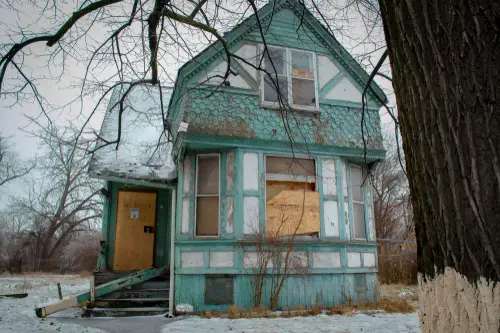
Detroit has a large and growing population of older adults aging in place, many in neighborhoods that lost grocery stores, pharmacies, and clinics over decades of disinvestment. Seniors without cars often rely on limited bus routes that can involve long waits or multiple transfers just to reach a doctor. Hospital consolidations have shifted some services farther from residential blocks where many retirees live. For an older resident managing chronic illness, that extra travel can become a real barrier to consistent care.
Housing stock is another challenge because many homes were built long before accessibility was a design priority. Repairs and mobility upgrades like ramps or safer bathrooms can be expensive on a fixed income. Community organizations work hard to fill service gaps, but demand routinely exceeds funding. The result is that routine errands — refilling prescriptions, buying fresh food, or attending appointments — can feel like complicated projects.
2. Flint

Flint’s older residents continue to navigate infrastructure concerns that reshaped how people trust local systems. Many seniors depend on safety-net clinics that operate near capacity, which can stretch appointment timelines. Public transportation coverage is limited, especially for those who no longer drive. That combination makes preventive care harder to maintain on a regular schedule.
Economic strain adds pressure because a sizable share of seniors live on tight retirement incomes. Grocery access varies by neighborhood, forcing longer trips for healthy food options. Mobility challenges can also increase social isolation when travel feels risky or exhausting. Isolation, in turn, makes it harder to learn about assistance programs designed to support aging adults.
3. Gary
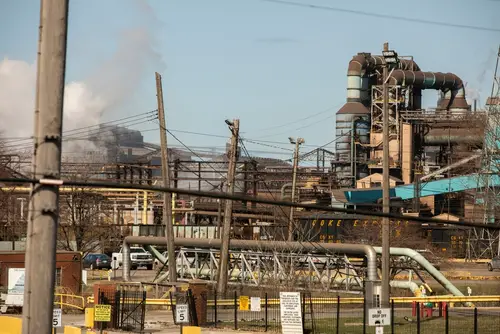
Gary’s population decline over decades has meant fewer neighborhood businesses and medical providers remain close to residential areas. Older adults sometimes discover that familiar pharmacies or clinics have closed or consolidated. Public transit exists, but frequency and coverage may not match medical scheduling needs. That unpredictability can discourage routine follow-up visits.
Many seniors live in aging homes that require maintenance they cannot easily manage alone. Limited local resources can slow infrastructure upgrades that would improve walkability and safety. Community health partners do important work, yet staffing and funding are stretched thin. Managing prescriptions or multiple providers becomes an ongoing coordination challenge.
4. Youngstown
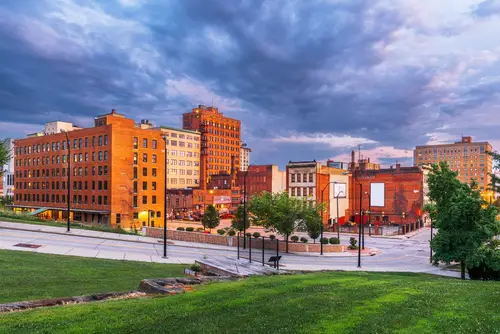
Youngstown has a higher-than-average share of older adults who remained after economic shifts reshaped the city. Some neighborhoods no longer have the same density of nearby services they once did. Seniors without nearby family often struggle to arrange reliable transportation. Even short trips for appointments can consume most of a day.
Regional healthcare options exist, but they are not always convenient for residents with mobility limitations. Winter weather introduces additional safety concerns for travel. Volunteer ride networks help fill gaps, though availability varies. Uneven access can interrupt routine care or social engagement that supports healthy aging.
5. Scranton
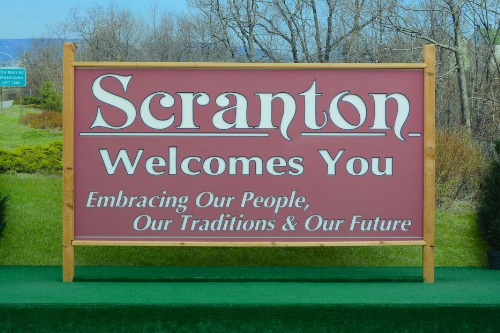
Scranton reflects demographic aging trends seen across northeastern Pennsylvania. Many older residents balance fixed incomes against rising healthcare and housing costs. Public transit provides some coverage, but specialty care often requires travel beyond the city. That distance adds logistical stress for people with limited mobility.
Older housing stock frequently includes stairs and layouts that are difficult to modify affordably. Accessibility upgrades can be financially out of reach without assistance. Social service agencies offer support, but capacity limits can create waitlists. As needs increase, navigating eligibility and scheduling becomes more complicated.
6. Buffalo

Buffalo’s long winters create real mobility challenges for seniors traveling to essential services. Snow and ice can make sidewalks, bus stops, and parking areas hazardous. Although the city hosts major medical centers, reaching them without a car is not always simple. That friction affects routine visits as much as urgent care.
Neighborhood economic disparities shape access to groceries and pharmacies. Some older adults rely heavily on delivery services or volunteer rides. Heating and housing costs compete directly with healthcare spending on fixed incomes. These tradeoffs can delay preventive care or medication refills.
7. Birmingham
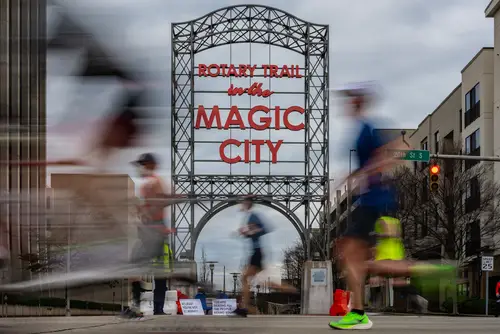
Birmingham is known for strong healthcare institutions, but proximity matters more than reputation for aging residents. Seniors in underserved neighborhoods may face complicated transit routes to reach medical campuses. Bus schedules do not always align with appointment times. Missed connections can lead to missed care.
Income inequality places additional pressure on retirees living on benefits. Affordable housing with built-in accessibility features is limited. Community clinics provide essential services yet often operate at full capacity. Navigating multiple providers without transportation support can feel overwhelming.
8. Jackson

Jackson’s infrastructure challenges influence everyday access to services for older adults. Public transit coverage is limited enough that car ownership often feels necessary. Seniors who stop driving may suddenly lose independence. Routine errands quickly depend on family or neighbors.
Healthcare providers serve the region, but appointment availability can be tight. Pharmacy and grocery access differs widely by neighborhood. Weather extremes can strain older infrastructure systems. Consistency in care becomes harder for seniors managing chronic conditions.
9. Shreveport

Shreveport’s aging residents frequently juggle transportation limits with increasing healthcare needs. Bus routes cover the city but can require long travel times. Specialty services are not always close to residential areas. A missed transfer can easily mean a missed appointment.
Economic pressures affect housing safety and maintenance for many retirees. Some seniors live in homes needing repairs they cannot afford. Local nonprofits work to bridge service gaps, yet resources remain finite. Delays in upgrades can directly impact daily safety and comfort.
10. Fresno

Fresno’s sprawling geography can make essential services feel distant for seniors without personal vehicles. Public transit covers large areas but often involves lengthy travel times. Extreme summer heat adds health risks when waiting outdoors. Those factors discourage frequent medical trips.
Healthcare providers are available, yet demand is high in a fast-growing region. Certain neighborhoods have fewer walkable grocery or pharmacy options. Rising living costs stretch fixed retirement budgets. Older adults may postpone care to manage expenses.
11. Albuquerque

Albuquerque’s wide layout means many services are spread far apart, challenging seniors who no longer drive. Public transit helps, but routes may not connect directly to specialty clinics. Travel time can be significant for routine appointments. That friction discourages consistent follow-up care.
Affordable housing with accessibility features is limited relative to demand. Some older homes require costly modifications for safe aging in place. Community agencies provide assistance, yet funding cycles affect availability. Seniors often piece together multiple supports to stay independent.
12. Charleston

Charleston’s hilly terrain can complicate mobility for older residents traveling to services. Walkability varies greatly depending on neighborhood layout. Public transportation exists but is limited in reach and frequency. That makes scheduling healthcare visits more complex.
West Virginia’s aging population places heavy demand on regional healthcare resources. Specialty care sometimes requires travel outside the immediate area. Fixed incomes make transportation and housing costs harder to absorb. Seniors may delay non-urgent care because of these pressures.
13. Stockton
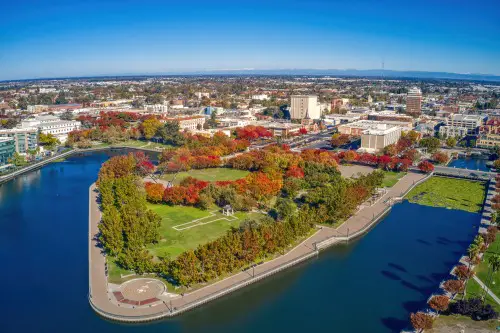
Stockton’s rapid growth has increased demand for healthcare and social services that seniors rely on. Clinics and pharmacies can experience long wait times in busy corridors. Public transit serves many areas but may require multiple transfers. Extended travel discourages routine care.
Housing affordability pressures affect retirees living on stable incomes. Accessibility upgrades compete with everyday expenses. Community organizations offer targeted programs, yet demand remains high. Seniors often must plan carefully to coordinate transportation, appointments, and basic errands.
This post Where Aging Residents Struggle to Find Basic Services was first published on American Charm.

