
1. Sunbelt Boom Surprises Everyone
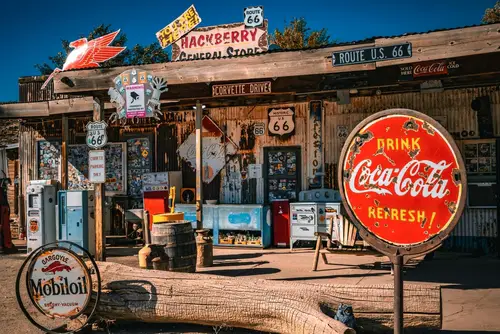
Southern states like Texas, Arizona, and Florida have seen massive population growth over the last decade. People are flocking for jobs, lower taxes, and warmer weather, but locals are feeling the strain. Traffic congestion is worse than ever, and housing prices are skyrocketing in areas that used to be affordable. Many long-term residents are frustrated that their hometowns are starting to feel like entirely new cities.
The migration trend wasn’t entirely unexpected, but the speed and scale caught many off guard. New businesses and entertainment venues have popped up to serve the influx, yet infrastructure is struggling to keep pace. School districts are overcrowded, and public services are stretched thin. It’s a stark reminder that rapid growth can feel exciting for newcomers and chaotic for those already settled.
2. Rust Belt Exodus Reversals
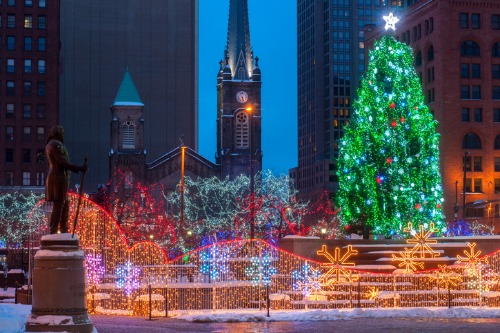
After decades of people leaving the Rust Belt, some cities are now seeing small but surprising rebounds. Professionals and remote workers are moving back for cheap housing and a slower pace of life. Locals, however, sometimes bristle at rising rents and new coffee shops replacing familiar mom-and-pop stores. It’s a strange mix of revival and gentrification.
Cities like Pittsburgh and Cleveland have been forced to rethink their urban planning. Older neighborhoods are seeing renovations, but it often comes at the cost of displacing longtime residents. Community culture clashes are common, especially when new arrivals bring different lifestyles and expectations. Residents are caught between optimism for economic revival and nostalgia for the old city vibe.
3. Exurban Explosion
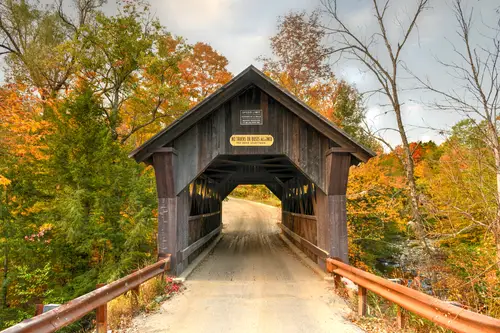
People aren’t just moving to big cities—they’re pushing further into exurbs and rural fringes. Areas that were once quiet farmland now host sprawling housing developments. Residents complain about traffic creeping onto rural roads, and local governments are scrambling to provide utilities and services. It’s a blend of rural charm and suburban chaos.
Developers see exurbs as untapped gold mines, but longtime residents often feel blindsided. Schools and medical facilities struggle to serve growing populations, and property taxes rise to cover new infrastructure. Community dynamics shift when longtime neighbors are joined by people who work remotely or commute long distances. Many locals lament that the peaceful country life they loved is disappearing fast.
4. Northern City Young Professionals Influx
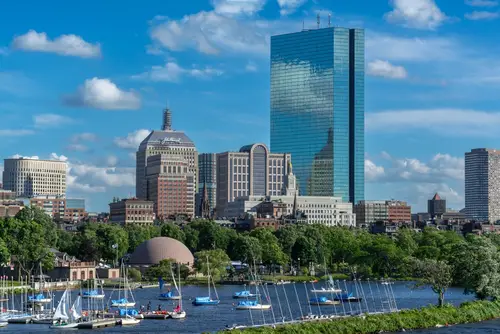
Some Northern cities, like Boston and Minneapolis, have started attracting young professionals again. It’s partly driven by strong job markets in tech, healthcare, and education. Longtime residents, however, notice higher rents and crowded nightlife districts. There’s a tension between revitalization and preserving the character of neighborhoods.
Coffee shops, co-working spaces, and craft breweries proliferate quickly. While the energy feels exciting to newcomers, older residents feel priced out of areas they grew up in. Even cultural landmarks get pushed aside for trendy apartments or restaurants. The pattern shows how even cities thought to be stagnant can experience sudden, unpredicted surges.
5. Mountain Towns Overwhelmed
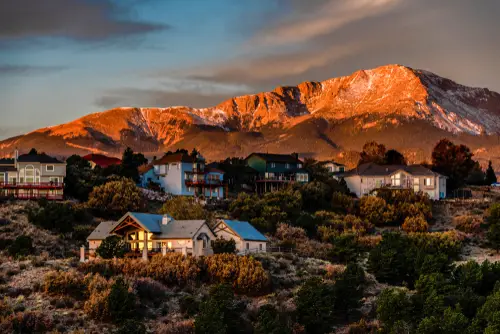
Small towns in Colorado, Utah, and Montana are seeing a wave of newcomers seeking scenic beauty and outdoor lifestyles. Locals enjoy tourism dollars but not the permanent influx that strains roads and housing. Many homes that were once affordable are now selling for multiples of their original value. Long-term residents complain that these towns are losing their original identity.
Second-home buyers and remote workers have transformed sleepy communities into year-round hotspots. Grocery stores, gas stations, and hospitals are overwhelmed during peak seasons. Even wildlife and natural resources feel the pressure from human expansion. It’s a classic case of paradise attracting people faster than a small town can adapt.
6. Florida Senior Migration Creates Tensions
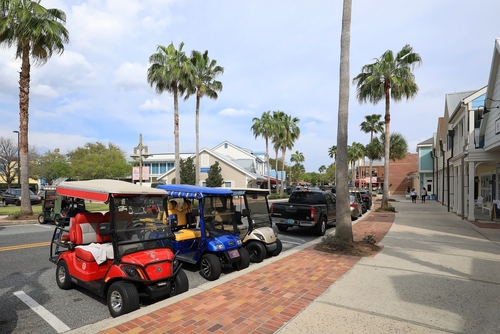
Florida’s retirement communities have expanded even faster than predicted. Seniors are moving from the Northeast and Midwest, bringing wealth but also increased demand for healthcare and housing. Locals notice rising costs and crowded amenities, sometimes feeling displaced in their own towns. Beachfront and suburban areas have changed dramatically in character.
Healthcare systems in Florida are particularly strained by this surge. Traffic and infrastructure improvements struggle to keep pace with seasonal and permanent residents alike. Community events and services now cater heavily to retirees, leaving younger locals feeling overlooked. This demographic shift is a slow-moving, yet palpable cultural earthquake.
7. Midwest Flight to Suburbs
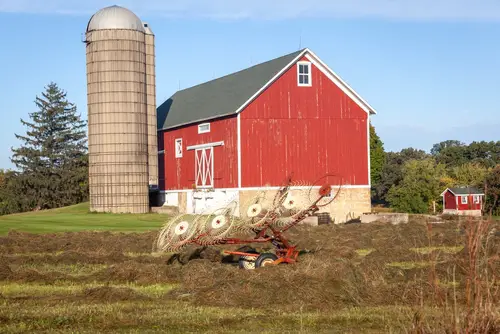
The Midwest has seen families leave urban centers for suburban or smaller city life. Safety, schools, and affordability are major draws. Yet the pace of exodus surprises many city dwellers who expected population retention. Local businesses face turnover, and city services see budget strains from shrinking tax bases.
Suburban areas, conversely, grow fast and sometimes chaotically. Roads, schools, and public services lag behind, frustrating both new and old residents. Local governments are forced to react quickly to shifting demographics. For Midwestern cities, the migration creates a patchwork of thriving suburbs and struggling urban cores.
8. Unexpected Western Tech Migration
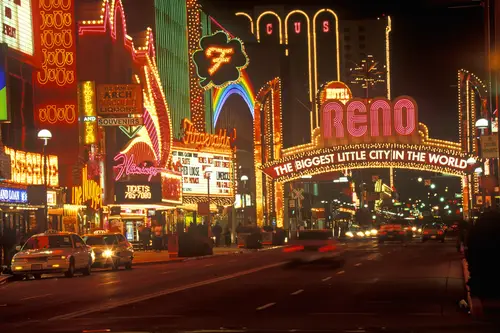
Tech professionals are leaving traditional hubs like San Francisco and Seattle for less obvious Western cities. Boise, Salt Lake City, and Reno have seen significant upticks in high-income residents. Local housing markets are exploding, creating tension with longtime residents. The influx changes the cultural feel of these smaller cities almost overnight.
New amenities appear rapidly to cater to tech workers’ lifestyles, from gyms to craft coffee shops. Long-term residents sometimes feel alienated, watching familiar neighborhoods become trendy. Traffic jams, rising rents, and construction noise become daily complaints. It’s a migration that economic analysts predicted only partially, and locals feel the consequences firsthand.
9. Border State Surges
States near the Mexican border, like Arizona and Texas, have experienced a dual surge: both domestic and international migrants. Domestic newcomers often arrive for lower living costs, creating unexpected growth in certain cities. Locals are forced to adapt to rapid cultural and demographic changes. Public services and housing markets are stretched thin.
The mix of migration creates vibrant communities but also friction. Schools see increased enrollment, and public resources are often spread too thin. Long-term residents sometimes perceive a loss of control over their neighborhoods. It’s a striking example of how complex migration patterns can produce both opportunity and tension.
10. Small Town Comebacks

Some small towns in New England and the upper Midwest are unexpectedly attracting remote workers and artists. People are drawn to charm, community, and lower costs of living. Local residents appreciate economic boosts but struggle with higher property taxes and changing community dynamics. Small-town politics can become surprisingly contentious.
New residents often seek modern amenities, sometimes clashing with traditional ways of life. The tension is subtle but noticeable in schools, local governments, and neighborhood associations. Original residents may feel like strangers in their own hometowns. The pattern shows that even towns thought to be in decline can suddenly face rapid, unplanned growth.
11. Rural-to-Urban Retirement Shuffle

Older Americans are increasingly moving from rural areas to urban centers for healthcare, social life, and convenience. Cities that once feared aging populations are now seeing new demographic pressure. Residents notice increasing demand for apartments and healthcare services. The quiet neighborhoods that once defined these cities are transforming.
Urban centers must now accommodate seniors alongside younger populations, creating infrastructure and cultural challenges. Streets, public transportation, and community services are feeling pressure in ways city planners hadn’t expected. This shuffle highlights that internal migration isn’t just about jobs or climate—it’s about lifestyle at all ages. Residents are grappling with the social and practical consequences in real time.
This post The Migration Patterns Nobody Predicted—And Residents Hate was first published on American Charm.

