1. Sleepy Hollow, New York
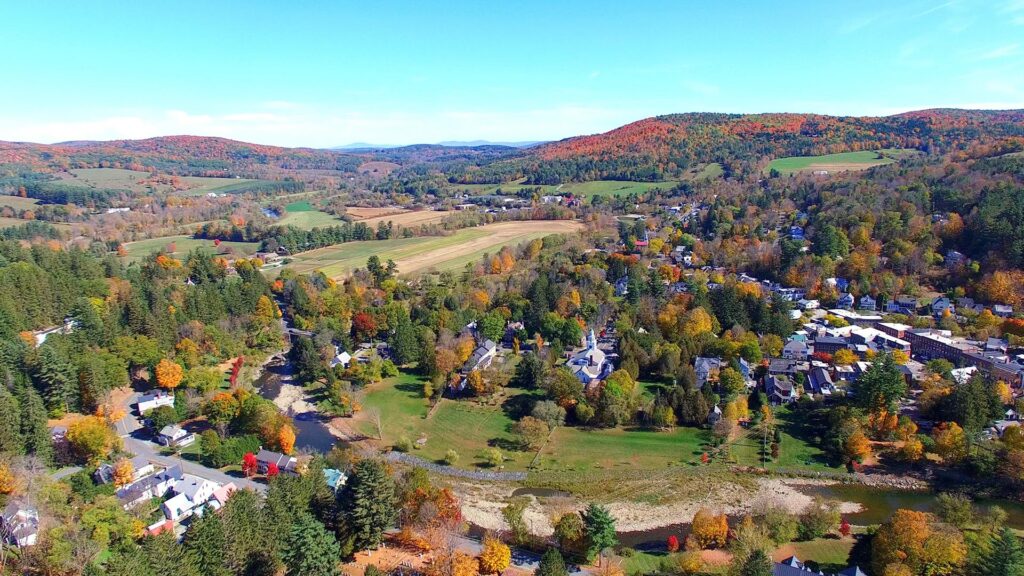
This Hudson Valley village leaned into its spooky name and folklore — and now pays the price every fall. During the Halloween season, Sleepy Hollow’s population can multiply many times over with visitors flocking for themed events. Small streets, limited parking, and overwhelmed infrastructure turn a quaint getaway into an overstimulating squeeze. Locals have openly shared frustrations about crowd behaviors and disrespect for community spaces.
What was meant to be a charming nod to Washington Irving’s tale has become a full‑blown festival ecosystem. The crowds bring business but strain public safety resources and everyday life. For some, the “spooky fun” crosses into sensory overload. Not everyone leaves with a fond memory of the experience.
2. Las Vegas, Nevada
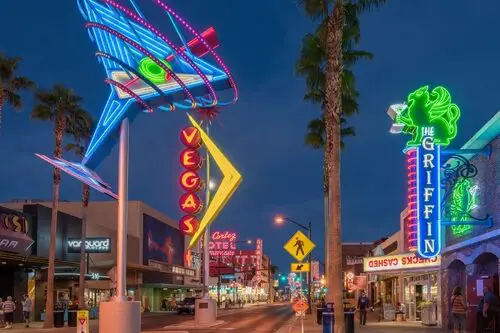
Las Vegas may advertise itself as the ultimate fun playground, but many travelers find the crowds and sensory overload exhausting. With extreme visitor density and constant noise, navigating the Strip can feel less like a getaway and more like a marathon. High resort fees and the pressure to gamble or party only add to the stress of planning your budget. For some, the lights and action start to feel relentless rather than exhilarating.
Las Vegas’s reputation for excess isn’t just marketing — it’s why it tops multiple “most stressful to visit” lists. Many visitors come for a quick thrill but leave feeling overwhelmed by the non-stop pace. Hotels, shows, and even basic meals command premium prices in peak seasons. That “fun” vibe can easily tip into fatigue when every block feels like it’s trying to sell you something.
3. New York City, New York
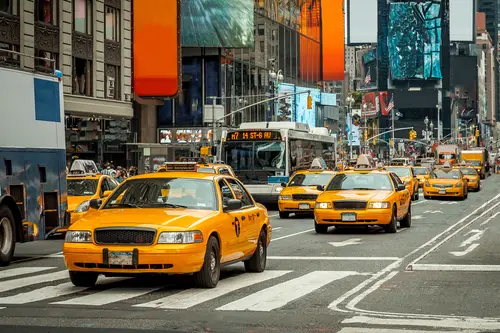
“Big Apple” dreams sometimes turn into long lines, expensive tickets, and constant crowds — especially around Times Square and major museums. High hotel room rates and pricey meals don’t help when you’re trying to keep a trip affordable. Walking famous avenues can feel like a slow shuffle through a concrete maze rather than a leisurely stroll. Airports like JFK and LaGuardia often compound travel stress with delays and confusing terminals.
Even though many people adore NYC, its intensity isn’t for everyone. The city’s sheer size can make even simple plans feel like logistical puzzles. Rush‑hour subway crowds, honking traffic, and competing tour groups turn exploration into endurance. It’s a destination that demands energy — and doesn’t always give it back.
4. Sedona, Arizona
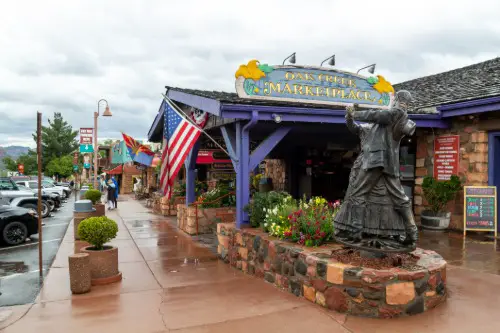
Sedona’s red rocks and vortex trails are postcard‑perfect — but the influx of millions of visitors a year outweighs the town’s tiny size. Traffic jams, crowded trails, and packed restaurants are now routine during peak seasons. Local housing is dominated by short‑term rentals, making the town feel like a revolving door where few service workers can even afford to live. That Instagram‑worthy vibe sometimes leaves residents and visitors alike longing for real peace and quiet.
Sedona’s beauty is genuinely breathtaking, but the infrastructure hasn’t matched its fame. Roads can get congested mid‑day, and parking near trailheads fills early. Visitors expecting serene hikes often find themselves shoulder‑to‑shoulder with other tourists. The town’s spiritual branding sometimes clashes with the crowds it attracts.
5. Bar Harbor, Maine
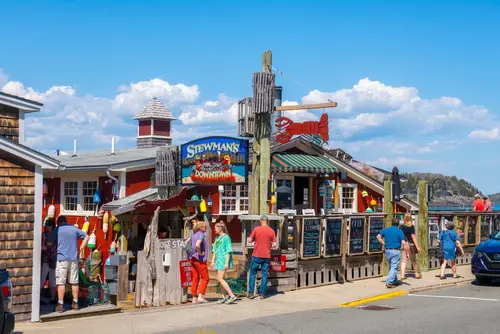
Bar Harbor’s charm melts under the weight of summer crowds, especially from cruise ship arrivals that swell its population on peak days. Traffic slows to a crawl, restaurants fill up, and locals often behave like they just want space, not small talk. What was once a relaxed gateway to Acadia National Park can feel like a seasonally frantic bustle instead. Some visitors say the commercial grind overshadows authentic Maine hospitality.
Nearby trails and coastal views remain gorgeous, but finding parking or a quick lunch feels like a chore. The town’s streets often echo with tour buses and selfie sticks rather than quiet conversation. Even simple errands can stretch into mini‑missions during July and August. For some, the stress of managing crowds outweighs the scenic payoff.
6. Moab, Utah
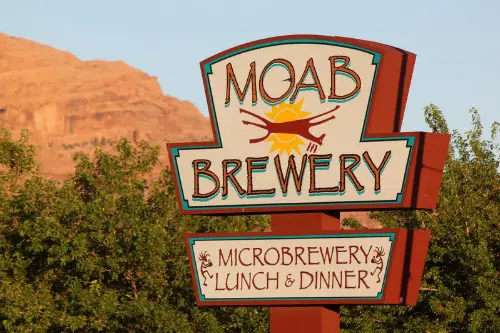
Moab’s proximity to Arches and Canyonlands National Parks draws adventurers in droves — and sometimes far more than the little town can handle. Locals face inflation in housing costs and a surge of short‑term rentals that push longtime residents out. Trails and roads see heavy use, making what should be peaceful exploration feel like rush‑hour gridlock. Noise from off‑highway vehicles and frequent search‑and‑rescue calls add a layer of anxiety to outdoor plans.
It’s a stunning base for desert adventure but also a crash course in overtourism. Crowded campsites and packed visitor centers sap the spontaneity that many seek in nature. Main Street is vibrant, but that vibrancy can feel like chaos when you just want a quiet beer after a long hike. Some visitors leave thinking the town is more headache than haven.
7. San Francisco, California
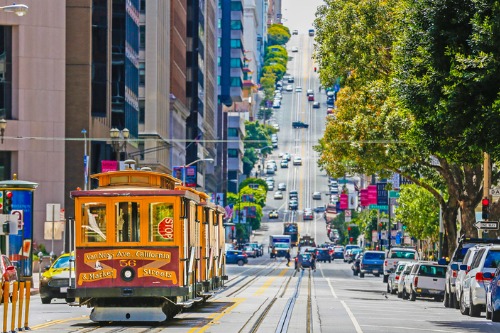
San Francisco’s iconic sights — the Golden Gate Bridge, historic cable cars, colorful neighborhoods — are undeniably appealing. But the city consistently ranks near the top of stress reports due to overcrowding, urban noise, and high costs that can turn a weekend trip into a logistical headache. A thriving homeless population and safety concerns in certain districts also make some visitors uneasy. Trying to see and do everything in a short trip often leaves travelers feeling rushed rather than relaxed.
The juxtaposition of stunning views and street-level challenges can be jarring for first‑time visitors. Parking and public transit logistics add another layer of complexity. Even locals admit that peak tourist routes get congested. You might go for a postcard moment and leave with sore feet and a drained wallet instead.
8. Orlando, Florida
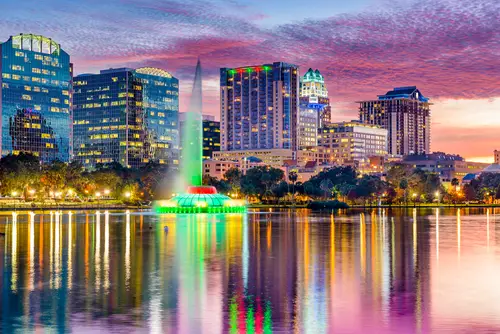
Orlando’s theme parks are on many bucket lists, but long queues, high ticket prices, and constant planning turns fun into a to‑do list. Visitors often report fatigue from park hopping and crowds that seem to peak every season. Even off‑season, navigating the sheer scale of attractions feels like running a marathon. When your vacation itinerary has more spreadsheets than spontaneity, stress tends to follow.
Short‑term planning feels like crisis management with ride reservations and dining windows. Parks are undeniably thrilling, but for many, the experience feels engineered rather than relaxing. Lines stretch, expectations climb, and your downtime shrinks. For newcomers, the city’s hype can outpace its reality.
9. Honolulu, Hawaii
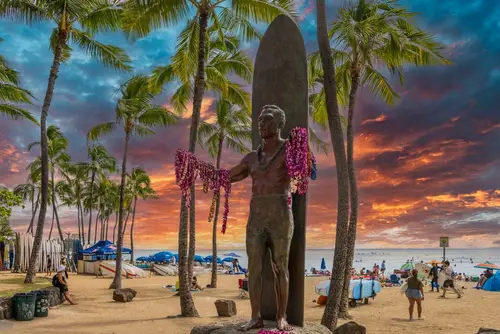
Honolulu’s beaches and balmy breezes can feel blissful — until you’re shoulder‑to‑shoulder with millions of annual visitors. The influx of tourists puts strain on local roads, housing supply, and public spaces. Congested commutes and competition for beachfront spots can make paradise feel crowded. From a visitor’s perspective, you might spend more time in traffic than on the sand.
What should be an island retreat easily turns into a logistical puzzle. Hotels and activities book up fast, and high demand pushes prices up. For those seeking laid‑back island vibes, the crush of visitors can undercut the dream. It’s beautiful — but not always peaceful.
10. Asheville, North Carolina
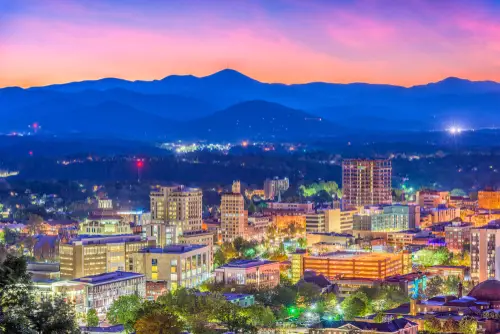
Asheville’s mountain charm and artsy vibe sound dreamy, but its growing visitor volume has made downtown congested and pricey. Short‑term rentals have driven up housing costs for locals, and restaurant waits stretch long during peak seasons. What used to feel like a creative escape now carries a hint of commercialization. For first‑timers, the crush of craft‑beer tours and gallery crowds can overshadow the relaxed mountain culture.
Visitors still adore the scenery and breweries, but navigating the town can feel like navigating a festival crowd. Parking near hotspots often involves strategic timing or patience. Even lunchtime options fill fast. Some leave thinking Asheville’s quirkiness has been outpaced by its popularity.
11. Key West, Florida
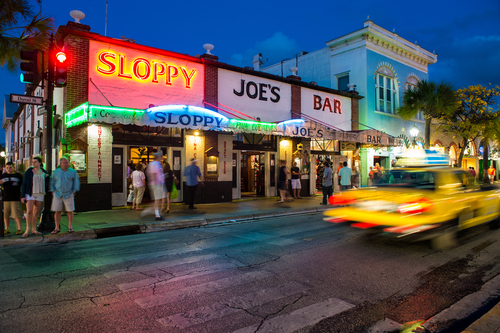
Key West’s tropical promise is real, but cruise‑ship days turn its tiny streets into packed bottlenecks. Narrow lanes that feel quaint in photos become claustrophobic in person when multiple ships dock. Beyond traffic, the environmental impact on coral reefs and fragile ecosystems is another layer of tension for conscious visitors. That laid‑back island vibe sometimes gets swallowed by crowds and lines.
Despite the beautiful sunsets and quirky Duval Street, peak days feel less like escape and more like marathon sightseeing. It’s a small island with big demand. Bars and attractions fill early and stay busy well into the night. Some people go once and think, “Nice… but never again in March.”
12. Leavenworth, Washington
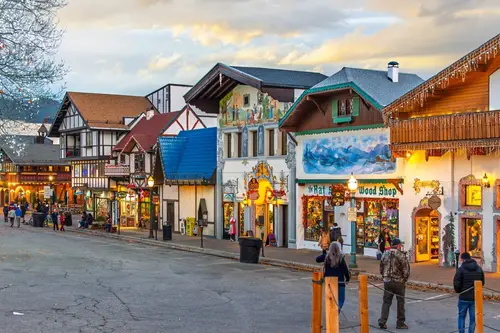
This Bavarian‑style village sounds whimsical — until you hit the crowds during Oktoberfest or holiday markets. Locals and workers alike admit that the town’s tourism persona can grate after a while. From strangers in traditional costume to throngs on narrow sidewalks, the curated charm sometimes feels forced. Visitors often remark that the experience can be more exhausting than enchanting.
Expectations of an Alpine escape are undercut by souvenir shops and busy streets. Service staff sometimes seem more drained than cheerful. Parking is at a premium and crowds spill into every café and beer hall. For a place built on delight, it can get surprisingly hectic.
13. Marfa, Texas
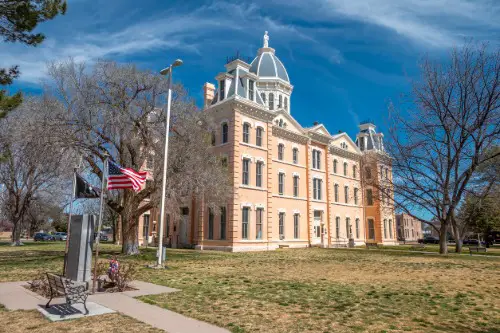
Marfa’s art scene and minimalist desert landscapes have put it on the cultural map — but Instagram fame has also brought a tidal wave of weekend visitors. Locals sometimes complain that the town’s identity gets reduced to photo ops and surface‑level interaction. For travelers, it can feel like chasing an aesthetic rather than connecting with the community. When everywhere feels like a backdrop, the trip can leave you oddly disconnected.
The art installations are iconic, but their fame draws crowds that stress the town’s small scale. Parking and navigation around the galleries can be a hassle. Restaurants and shops fill fast on busy weekends. It’s picturesque, but not always peaceful.
14. Gatlinburg / Pigeon Forge, Tennessee

These neighboring towns promise Appalachian fun and mountain views, but many visitors describe the experience as loud, crowded, and overly commercial. Amusement parks, souvenir shops, and busy traffic replace the quaint cabin retreat some expect. Especially in summer and fall, crowds can make every car ride feel like a slow crawl. People come for nature but often leave feeling like they’ve visited a theme‑park belt rather than peaceful hills.
The charm of the Smoky Mountains gets obscured by bumper‑to‑bumper roads and busy attractions. Parking at trailheads and downtown spots becomes a puzzle. The hustle of “tourist town” often outweighs the serenity people are seeking. Not everyone’s idea of mountain magic includes crowds and flash‑and‑go shopping.
This post The Towns That Promised Fun—but Only Delivered Stress was first published on American Charm.