
1. Washington, D.C.

The nation’s capital attracts political, tech, and consulting jobs, but housing costs are steep. Rent and property prices outpace median local salaries for many professionals. Young workers and government employees often struggle to find affordable apartments near the city center. Some resort to commuting from Maryland or Virginia just to balance costs.
Limited space and historic regulations contribute to the problem. Strict preservation laws and a finite number of developable blocks keep supply tight. Luxury developments dominate new projects, leaving fewer options for middle-income households. Even well-paid employees may spend a large portion of income on housing.
2. New York City, New York

New York City is a magnet for ambition, culture, and opportunities, but that comes with a steep price tag. Manhattan rents are among the highest in the nation, and even Brooklyn and Queens can be surprisingly expensive. Local paychecks often don’t stretch far enough to cover these costs without sacrifices. Many residents juggle multiple jobs or rely on family support to manage.
The city’s density and demand make housing scarce. Older buildings with rent-stabilized apartments exist, but new developments tend to target luxury buyers. Transportation hubs and amenities make every neighborhood attractive, pushing prices upward. Even professionals earning six figures can feel the pinch when factoring in living costs.
3. Los Angeles, California

Los Angeles has a sprawling urban footprint, yet housing affordability remains a major challenge. High demand in areas like Santa Monica and West Hollywood pushes prices beyond what many local workers earn. Creative industries and tech jobs pay well, but blue-collar and service-sector workers often fall behind. Many families move to far-flung suburbs just to find something affordable.
Natural barriers and city regulations also play a role. Mountains, protected land, and wildfire risks limit expansion, while strict zoning slows development. Popular neighborhoods near the beach or downtown remain out of reach for most. It’s a city where lifestyle and opportunity clash with practical affordability.
4. Seattle, Washington
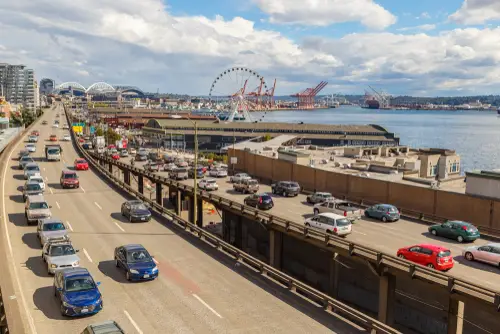
Seattle’s tech boom has transformed the city into a hotspot for high-paying jobs, especially at companies like Amazon and Microsoft. While salaries have risen, housing prices have climbed even faster. Longtime residents often find themselves priced out of neighborhoods they’ve lived in for years. Commuting from surrounding areas is common, but it adds time and stress to daily life.
Construction hasn’t kept up with demand. The city’s lakes and hills restrict building space, and strict permitting rules slow new projects. Condos and apartments tend to cater to wealthier newcomers rather than local workers. The result is a widening gap between paychecks and housing costs.
5. Boston, Massachusetts
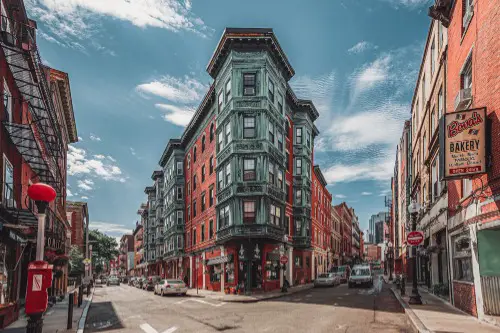
Boston combines historic charm with strong universities and a thriving job market, but affordability lags behind. College towns and tech hubs drive up demand, especially in Cambridge and the Seaport District. Entry-level salaries for teachers, nurses, and public workers barely cover rising rents. Many locals move to nearby towns just to find more manageable costs.
The city’s age and layout complicate new housing. Older neighborhoods often have preservation rules, limiting new construction. Waterfront development and luxury condos further push up prices. Boston’s strong economy ironically makes it harder for ordinary workers to live comfortably within city limits.
6. Denver, Colorado
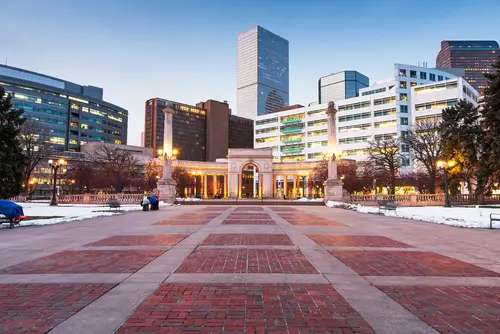
Denver has become a magnet for young professionals seeking outdoor lifestyles and job opportunities. Housing demand has surged, but local wages haven’t kept pace with the boom. First-time buyers often face steep prices for modest homes, even with stable employment. Many resort to longer commutes from surrounding suburbs.
Geography plays a role too. The mountains and protected land restrict expansion westward, while downtown construction focuses on high-end units. Rental prices spike faster than wage growth, creating affordability stress. Denver’s appeal has made it a place where locals struggle to stay in the neighborhoods they grew up in.
7. Miami, Florida
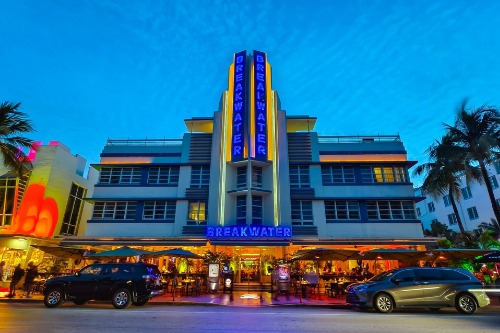
Miami’s sunny weather and vibrant culture make it highly desirable, driving up housing costs. Luxury condos and waterfront properties dominate the market, leaving fewer options for middle-income residents. Tourism and seasonal residents push short-term rentals, reducing available housing for locals. Many workers in service and healthcare sectors can’t keep up with rent increases.
Additionally, Miami faces unique geographic constraints. The coastline and flood zones limit buildable land, while insurance costs add financial pressure. The gap between average paychecks and real estate prices continues to grow. Residents often move inland or face long commutes to more affordable neighborhoods.
8. San Francisco, California

San Francisco’s housing market has long been infamous for its sky-high prices. Tech giants and startups have driven demand through the roof, making even modest apartments feel out of reach. Local wages are competitive, especially in tech, but not enough to keep pace with the rapid real estate appreciation. Many residents spend decades trying to save for a down payment.
Beyond salaries, the city’s geography limits new construction. The hills, waterfront, and strict zoning laws all restrict supply, keeping prices elevated. Even those working in well-paying sectors often need roommates or move to distant suburbs. It’s a classic case of a desirable location with limited space, creating a perfect storm for high costs.
9. San Diego, California
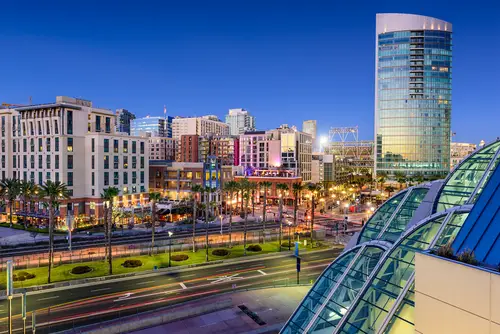
San Diego combines mild weather with strong biotech and defense industries, making it appealing for professionals. Despite decent wages, housing costs remain high, especially near the coast. Entry-level workers often face rents that consume more than half of their income. Many have to compromise on location, size, or commute.
Geography restricts growth as well. The ocean, military bases, and protected areas limit available land for new housing. New developments often target higher-income residents. This creates a mismatch between the types of homes available and what locals can afford.
10. Portland, Oregon
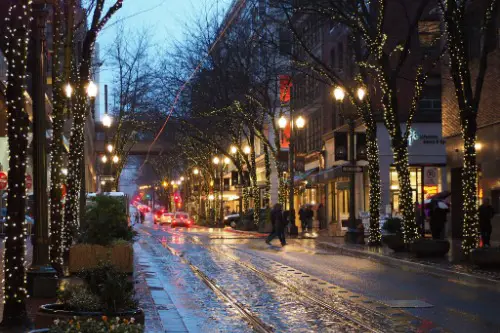
Portland has attracted a wave of new residents seeking culture, green spaces, and urban charm. Housing demand has surged faster than wage growth, leaving many locals behind. Blue-collar workers and service employees struggle with rising rents. Commuting from neighboring towns is increasingly common.
The city’s zoning and environmental policies also limit development. Large portions of land are reserved for parks, rivers, or low-density neighborhoods. New housing often targets higher-income buyers rather than affordability. Portland illustrates how lifestyle appeal can drive costs beyond what local paychecks support.
11. Austin, Texas

Austin’s tech scene and cultural vibe have made it one of the fastest-growing cities in the U.S. While tech salaries are competitive, service and education jobs lag behind rising housing costs. Many long-time residents have been priced out of central neighborhoods. Suburban commutes have increased as people search for affordable homes.
The city’s rapid expansion strains infrastructure. Limited availability of developable land and hot markets drive up prices. New construction often caters to higher-income buyers. The gap between the average paycheck and home prices continues to widen.
12. Honolulu, Hawaii
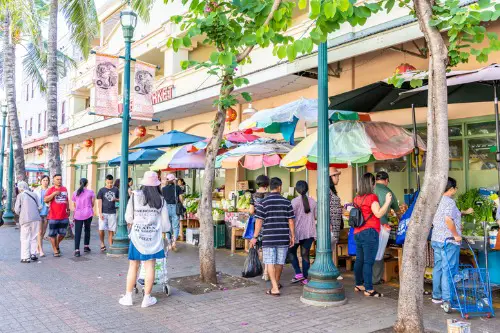
Honolulu offers paradise with beaches and a warm climate, but affordability is a major issue. Housing costs are extremely high due to limited land and high construction costs. Many locals earn modest wages that can’t cover median home prices. Renting is often the only viable option for decades.
Geographic isolation compounds the problem. Importing building materials is expensive, and the island’s limited space restricts expansion. Luxury condos dominate new construction, while middle-income housing is scarce. Honolulu’s beauty comes with a steep price tag for those living there full-time.
13. Chicago, Illinois
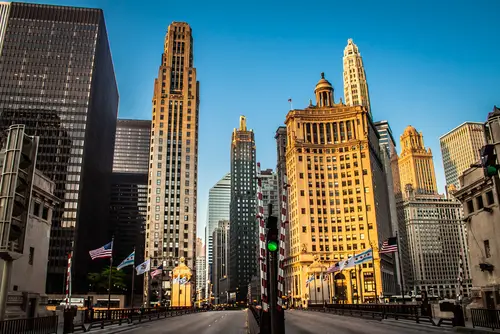
Chicago has pockets of affordable housing, but popular neighborhoods like Lincoln Park and Lakeview have prices that outstrip local salaries. The city attracts professionals, students, and families, all competing for limited housing stock. Many residents spend a significant portion of their income on rent or mortgage. Some move to the suburbs to stretch their paychecks further.
Historic preservation and zoning laws limit new developments in desirable areas. Luxury apartments and condos cater to wealthier buyers, leaving fewer affordable units for local workers. Even with a diverse economy, the mismatch between pay and housing persists. Chicago illustrates how even a city with varied income levels can face affordability challenges.
This post Why Housing Prices Don’t Match Local Paychecks in These Places was first published on American Charm.

