
1. Bushwick, Brooklyn, New York
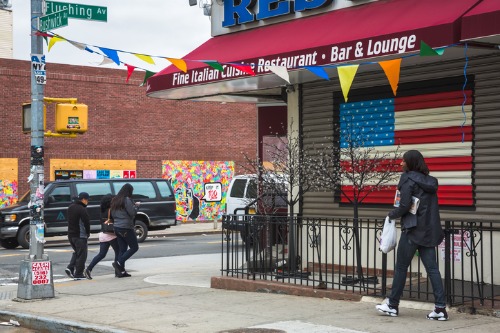
Bushwick has been on countless “what’s next” lists thanks to its young creative energy, street art, nightlife, and DIY culture. But that buzz comes with increasing displacement, rapidly rising rents, and the erosion of the very communities that gave it character — longtime Latino and Black residents are being priced out in droves as boutiques and short‑term rentals proliferate. Locals complain that “cool” has become corporatized, with mom‑and‑pop shops replaced by bars and high‑end retailers that cater to newcomers. If you’re drawn to the art and culture, know you’re walking into a neighborhood in cultural transition with real tensions between old and new.
Despite the creative crowd it attracts, Bushwick’s infrastructure and services haven’t kept pace with its growth. Public transit and street safety concerns persist, especially late at night when crowds spill from bars and venues. Affordable housing is increasingly scarce, pushing working families farther out into the boroughs or suburbs where commutes and costs also rise. So while Bushwick feels vibrant, that vibe comes with displacement, strain on daily life, and the risk that the “authentic” scene you came for won’t last long.
2. Raleigh, North Carolina
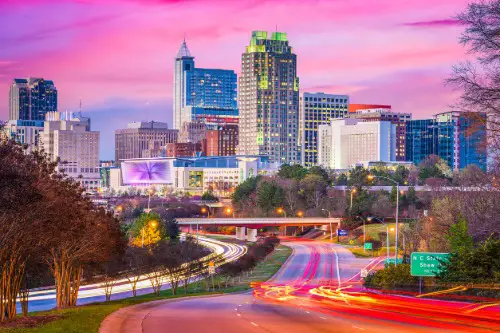
Raleigh often tops lists of desirable up‑and‑coming cities for newcomers chasing jobs, universities, and sunnier weather. But its crime statistics tell a less glossy story: both violent and property crime have risen significantly in recent years even as the city grows in popularity, which can catch new residents off guard. Safety issues might not dominate every street corner, but they’re notable enough that residents debate whether growth has outpaced local services and policing. Add rising rent and housing costs to the mix, and the “easy move” narrative isn’t quite so simple.
Another downside is Raleigh’s infrastructure stress from that very popularity. Roads and public transit haven’t expanded quickly enough, leading to congestion that blunts quality of life. Some locals also point to a cultural identity gap: rapid population influxes can make the city feel less rooted or distinctive than it once was. For anyone moving for the “fresh start,” be ready for growing pains both on the streets and in the community fabric.
3. Albuquerque, New Mexico

Albuquerque has been lauded recently for its affordability relative to big coastal cities, a budding tech and research scene, and an attractive Southwestern cultural vibe. But beneath that appeal lie serious socioeconomic challenges that don’t show up on a glossy “up‑and‑coming” chart. Poverty and unemployment rates in some neighborhoods remain stubbornly high, and long‑term economic disparities mean that growth isn’t felt evenly by residents. Visitors and new residents often overlook these realities until they live there, creating a disconnect between perception and day-to-day experience.
Public services and education infrastructure have also struggled to keep pace with new development. Some areas suffer from inconsistent school quality, limited healthcare access, and outdated transit options. While Albuquerque offers character and space, newcomers should prepare for practical hurdles alongside the charm. The Southwestern allure is real, but the lived experience can be far more complex than Instagram makes it look.
4. Austin, Texas
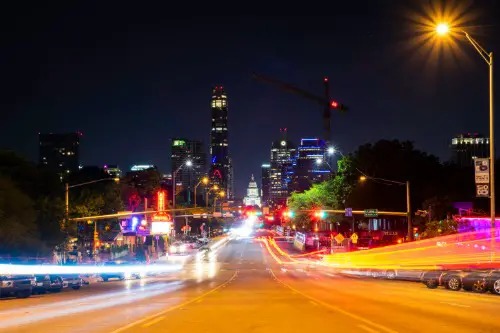
Austin’s music scene, tech boom, and warm weather make it an irresistible magnet for young professionals and creatives. But the city’s popularity has triggered skyrocketing housing costs, making even modest apartments unaffordable for many long-time residents. Traffic congestion is infamous, with highways clogged and commutes stretching longer each year. Cultural clashes are also emerging between new arrivals and established communities, sometimes creating tension in neighborhoods once celebrated for their eclectic vibe.
The downside extends beyond housing and traffic. Environmental concerns are rising as urban sprawl encroaches on natural areas, and heat waves are intensifying in the Texas climate. Local businesses struggle to keep up with high rents, leading to a loss of small, beloved establishments. So while Austin feels vibrant and dynamic, the cost of living and the stress on infrastructure are serious considerations.
5. Nashville, Tennessee
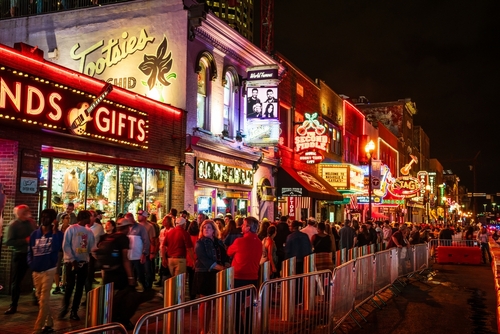
Nashville’s rise as a music and cultural hub has drawn thousands looking for career opportunities and a fun lifestyle. Yet with this influx, rental prices and home costs have surged, outpacing wages for many residents. Traffic congestion is worsening, and public transit remains underdeveloped, making daily commutes a headache. Some neighborhoods are losing their local charm, replaced by trendy bars and condos that cater to tourists and newcomers rather than longtime residents.
The city also struggles with inequality, with some communities left behind despite the booming economy. Crime rates, especially in certain districts, have ticked upward, prompting safety concerns. Schools and public services are feeling the strain of rapid growth. For those moving to Nashville for the culture and opportunity, the trade-offs in cost, congestion, and inequality are real and unavoidable.
6. Portland, Oregon
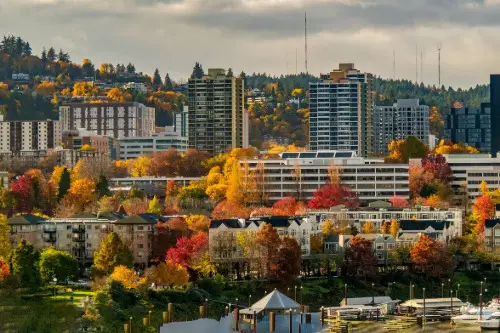
Portland’s artsy reputation and eco-conscious culture attract many young residents seeking a progressive lifestyle. But high housing costs, homelessness, and a rising cost of living have tempered the city’s appeal. Some neighborhoods are experiencing social tension as gentrification pushes lower-income residents out. Daily life can feel unpredictable, with urban unrest occasionally disrupting routines and creating safety concerns.
The city’s infrastructure hasn’t kept pace with its growth either. Public transit options are limited in some areas, and traffic congestion worsens during peak hours. Local businesses face pressures from skyrocketing rents, sometimes forcing closures. While Portland remains culturally vibrant, newcomers need to navigate these practical and social challenges alongside the city’s charm.
7. Denver, Colorado
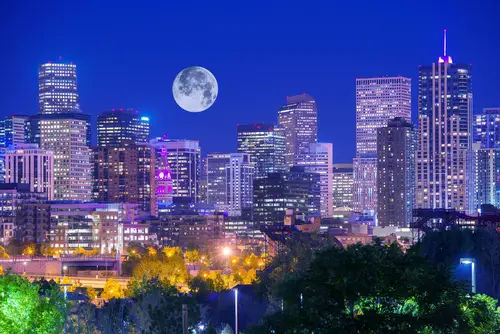
Denver’s scenic backdrop, booming job market, and active lifestyle make it a magnet for transplants. But its affordability has dropped sharply, with housing prices climbing faster than wages in many sectors. Traffic congestion and limited public transit options make commuting a headache, particularly for suburban residents. Popular outdoor spaces can feel crowded, reducing the sense of escape that draws people in.
The city’s rapid growth also strains public services like schools, hospitals, and infrastructure maintenance. Some neighborhoods are seeing a cultural shift, with long-term residents feeling priced out and disconnected. Climate extremes like summer heat and occasional wildfires add another layer of concern. While Denver offers lifestyle perks, the city’s growth comes with stressors that newcomers often underestimate.
8. Miami, Florida
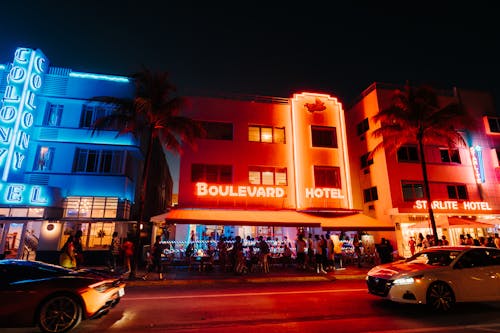
Miami’s vibrant nightlife, beaches, and international flair make it seem like paradise for young movers. However, the city faces increasing vulnerability to climate change, including rising sea levels and frequent flooding. Housing costs are steep, and many long-time residents struggle to keep up with property taxes and rent. Traffic congestion and limited public transportation further complicate everyday life in this fast-paced city.
The city’s popularity also drives economic inequality, with wealth concentrated in luxury condos and tourist zones while some neighborhoods lag in resources. Public safety varies by area, and newcomers may be surprised by crime hotspots. Extreme weather events like hurricanes are a recurring threat. Moving to Miami offers sun and culture, but it comes with financial, environmental, and logistical challenges.
9. Charlotte, North Carolina
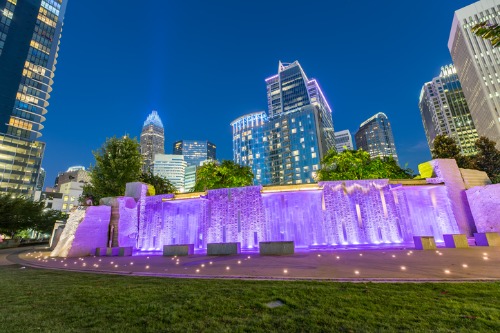
Charlotte’s banking hub and growing economy attract young professionals seeking opportunity. Yet with growth, neighborhoods are gentrifying quickly, and rental prices are climbing. Some areas suffer from traffic congestion and limited public transit options, making daily commutes challenging. Cultural amenities haven’t scaled evenly, leaving some communities underserved despite the city’s expansion.
Infrastructure strain extends to schools, roads, and healthcare, all struggling to keep pace with the population surge. Crime rates have risen in certain districts, creating concerns for newcomers. Longtime residents often feel squeezed out economically and socially. While Charlotte is dynamic, moving there comes with trade-offs in affordability, safety, and access to services.
10. Seattle, Washington
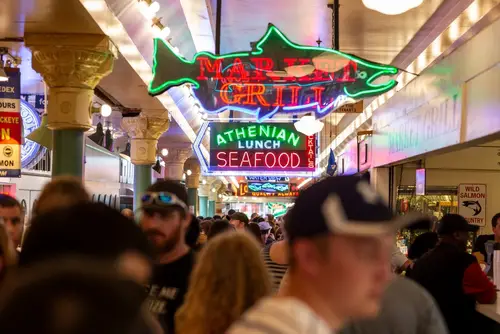
Seattle’s tech boom and iconic skyline attract professionals from across the country. But skyrocketing rents and home prices have displaced many longtime residents. Traffic congestion is notorious, with highways and bridges often gridlocked during peak hours. Social tension is growing between tech workers and local communities, sometimes creating friction in neighborhoods.
Homelessness and public safety concerns are visible issues, making daily life unpredictable in some districts. Schools and public services are under pressure as the population grows faster than infrastructure improvements. Outdoor spaces can feel crowded as residents compete for recreation. While Seattle offers opportunity and scenery, the city’s growth has created practical challenges that newcomers must navigate.
11. Phoenix, Arizona
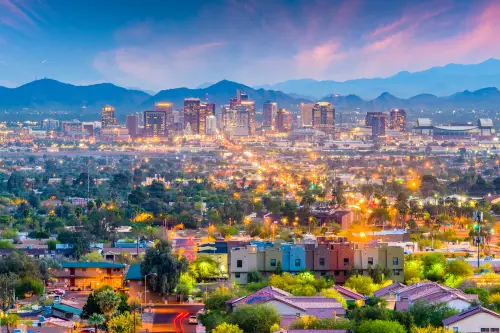
Phoenix attracts newcomers with its warm climate, lower cost of living compared to coastal cities, and growing job market. But extreme summer heat is a significant challenge, with temperatures regularly exceeding 110°F in the summer months. Urban sprawl has led to long commutes and limited public transit options. Water scarcity is an ongoing concern, particularly as population growth strains existing resources.
Rapid development has also driven up housing costs, putting pressure on working-class families. Air quality can be poor during dust storms or wildfire season. Crime rates have increased in some areas, creating safety concerns for residents. While Phoenix offers space and sunshine, newcomers must contend with environmental, financial, and logistical realities.
This post The Unexpected Downsides of These Famous “Up-and-Coming” Areas was first published on American Charm.

