
1. Riverside, California
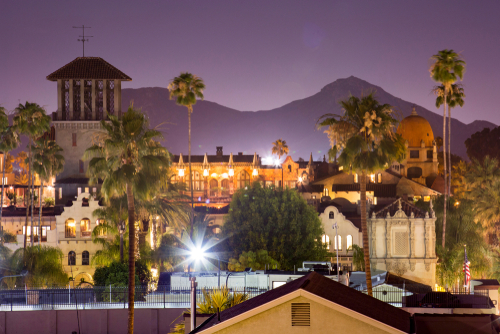
Riverside promised a balance of SoCal weather and more affordable housing compared with coastal hubs—but supply shortages and rising prices have tightened that promise. People moving here expecting relief from L.A. or Orange County costs often find themselves paying more than anticipated. Limited inventory and competitive bidding can make the first months stressful for new residents. The “suburban escape” dream sometimes turns into a lesson on how fast housing markets can shift.
Even homes that looked affordable on paper might come with higher property taxes or ongoing maintenance costs than expected. For families seeking space, options can be fewer than imagined. And commuting to work in nearby job centers adds an additional layer of hidden costs. Riverside shows that affordability on a map doesn’t always match lived experience.
2. New York City, New York
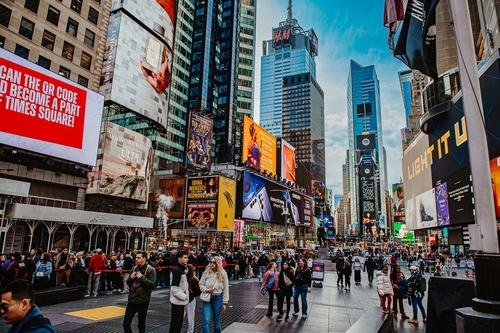
Maybe you moved thinking NYC was all opportunity and “everyone has a shot here,” but the reality bites: the city literally doesn’t have enough homes to go around. Despite promises of robust housing development plans, supply hasn’t kept pace with jobs and population growth, leaving rents and home prices through the roof long after you unpacked. Many newcomers find themselves in bidding wars, with rents eating into paychecks much more than expected. The shortage is deep‑rooted—housing construction lags, and zoning restrictions keep many affordable units from ever being built.
Housing scarcity doesn’t just hit your wallet; it affects daily life. Finding anything that isn’t a tiny studio far from work can feel impossible, especially if you expected the city’s famed transit and job market to make up for a tight market. With high rents comes increased turnover, unstable neighborhoods, and pressure on social services. Folks who thought “living in New York fixes everything” are often stuck feeling squeezed and stressed.
3. Los Angeles, California
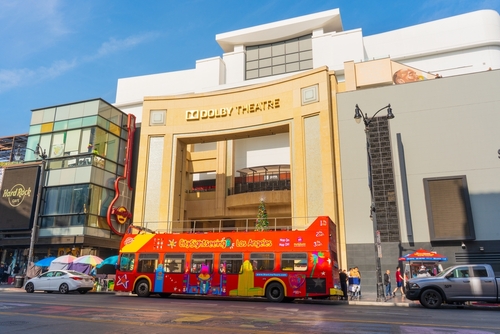
Los Angeles offers sunshine and glam, but for many new residents the housing promise turns into months of sticker shock and stress. The city has some of the highest home prices relative to income in the U.S., and affordable units are scarce compared to demand. Even areas marketed as “up‑and‑coming” often end up being out of reach for anyone who isn’t bringing a hefty paycheck. Many renters discover that after you move in, annual hikes and competition for even modest apartments can make staying feel untenable.
With limited new housing entering the market, every desirable neighborhood becomes fiercely competitive. Those who expected the LA vibe and creative community to balance out the cost find that housing dominates life more than they’d imagined. Long commutes from cheaper suburbs become the norm for many. And unlike smaller cities, mobility within the region doesn’t ease the pressure—as you might find yourself still struggling even miles from the core.
4. Portland, Oregon
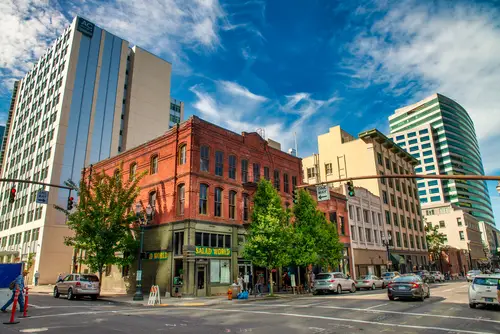
Portland’s reputation as a progressive haven with affordable neighborhoods drew tons of hopeful movers in recent years. But the reality months later is often a market where vacancy rates are tiny and housing options are surprisingly limited for the demand. Even though people expected bohemian neighborhoods and reasonable rents, those same streets have become harder to find homes on. The mismatch between housing needed and what’s actually available has pushed prices up, leaving a lot of residents feeling the squeeze.
Competition for rentals means even average apartments go in a flash, and the pressure doesn’t relent. Many newcomers didn’t anticipate needing multiple offers or guarantors just to secure stable housing. And once you’ve moved in, rising rents can become an uninvited companion. What once seemed like laid‑back living now feels like a monthly battle to stay afloat.
5. Philadelphia, Pennsylvania
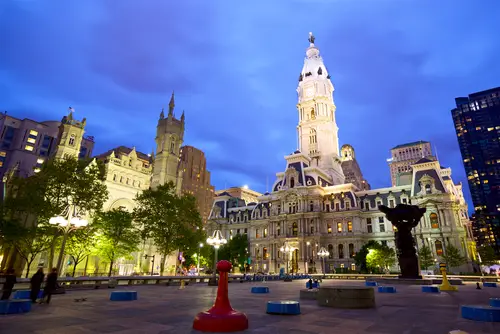
Philadelphia often markets itself as affordable compared with NYC or Boston—but that promise can sour when you arrive and see the gap between renting and owning. Home prices here are noticeably higher than they were a few years back, and buying a house can cost about 40% more than renting. That leaves many new residents locked into long leases or renters’ limbo, waiting for ownership that feels just out of reach. Meanwhile, developers focus more on luxury units, meaning “affordable” listings are hard to come by.
For those who thought Philly would be a gentle step up on the East Coast, the overlap of rising costs and slow homeownership rates can feel like being stuck in a housing trap. Rents continue to climb even without booming incomes, and those beloved historic neighborhoods sometimes lack modern amenities. Unexpected repair costs or outdated units also hit newcomers unprepared. It’s not the nightmare of bigger cities, but it’s not the bargain many once pitched.
6. Pittsburgh, Pennsylvania
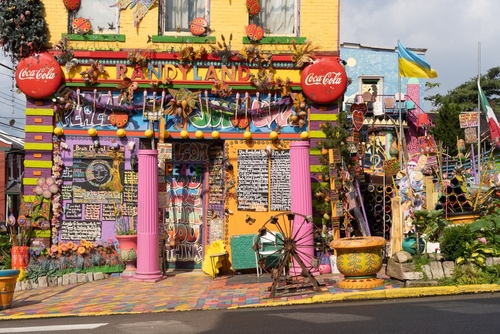
Pittsburgh once drew people from pricier metros with its reputation for laid‑back living and affordable rent. But fast forward a few months, and many renters find they’re paying much more than they expected—rent increases in recent years have outpaced much of the country. The boom in demand wasn’t met with enough new supply, leaving an unfortunately tight rental market. What felt like a hidden gem starts feeling expensive and competitive.
Affordable neighborhoods fill up fast, pushing people into pricier or less desirable areas. Those looking to buy typically find that wages haven’t kept pace with these rental price jumps. That makes the dream of buying in a city once praised as affordable harder than many anticipated. For people chasing lower cost but still cultural city life, Pittsburgh doesn’t always deliver.
7. Toledo, Ohio
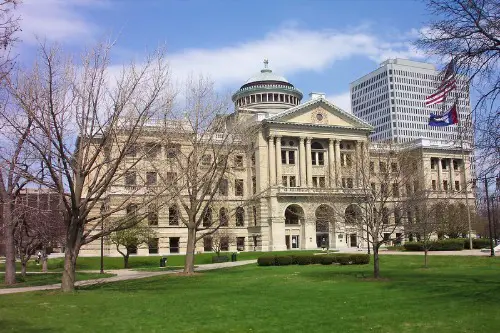
A lot of people saw Toledo as an affordable alternative in the Midwest, but investors saw it too—maybe more than locals would’ve liked. Out‑of‑state and even international investors have bought significant amounts of housing stock, driving up rents and leaving ordinary tenants with poor conditions. Many newcomers expecting cheap rent and cozy neighborhoods end up with neglected buildings and surprise fees. It’s an ironic twist: the place that promised relief from coastal prices ends up being harder to settle into than expected.
Rather than grassroots community roots, many houses are now owned by LLCs focused on profit. That dynamic has left residents struggling with little leverage when maintenance or disputes arise. It’s a housing environment where cheap on paper can be expensive in practice. And that disconnect hits especially hard once you’ve already moved in.
8. Cape Coral, Florida
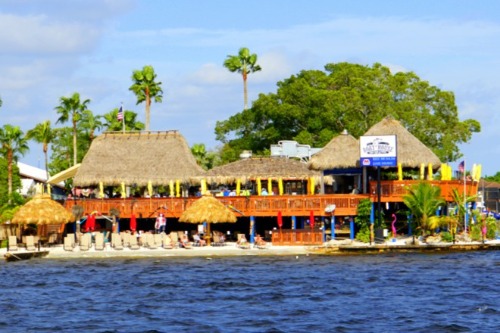
Cape Coral looked like the next affordable paradise with waterfront views and sunshine—but housing markets can flip fast. Home prices ballooned during the pandemic, and after you signed on the dotted line, values stagnated or even dropped, leaving some homeowners underwater. That’s a rude awakening if you were banking on steady equity growth or easy resale down the road. Oversupply and rising insurance costs have compounded the trouble, making living there feel riskier than promising.
What once seemed like a strategic move for affordable coastal living is now tempered by market correction pain. Some newcomers find their commute or neighborhood choice wasn’t as convenient as advertised, too. Add in frequent storms and higher insurance premiums, and the glossy brochure doesn’t quite match the lived experience. It’s a housing story where the numbers looked good only until they didn’t.
9. Punta Gorda, Florida

Punta Gorda enticed many with lower relative home prices and a slower pace of life—but recently, values have slid year‑over‑year. That means residents who moved for affordability might see their home’s value diminish soon after arrival. The slowdown in buyer demand combined with rising insurance and upkeep costs can make the total cost of ownership much higher than expected. What felt like a bargain can quickly start to feel like a burden.
Even renters feel the ripple effect as landlords adjust to market shifts in ways that hurt tenants. The housing market’s volatility here highlights the risk of buying in areas heavily influenced by seasonal demand and climate concerns. Many new residents didn’t anticipate this kind of fluctuation so soon after settling in. It’s a classic case of a “hidden cost” that only reveals itself after move‑in.
10. Seattle, Washington
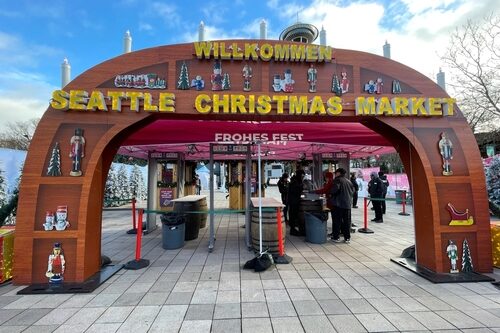
Seattle’s booming tech economy drew many hopefuls in search of jobs and communal living, but that influx drove demand far above housing supply. The result? Skyrocketing prices and competition that newbies often underestimated. Even though the city promised progress and growth, the pace of building didn’t keep up, leaving a tight rental market. For those expecting easy housing access, the reality can feel like trimming dreams down to fit a tight budget.
High construction costs and regulatory hurdles slowed new developments, so newcomers end up competing for old stock or paying for amenities they never expected. It’s a tricky environment where moving here can feel like signing up for perpetual rent hikes. Neighborhoods that seemed affordable early on have seen prices climb quickly. And the dream of balancing quality of life with reasonable housing? Many find it more elusive than advertised.
11. Boston, Massachusetts
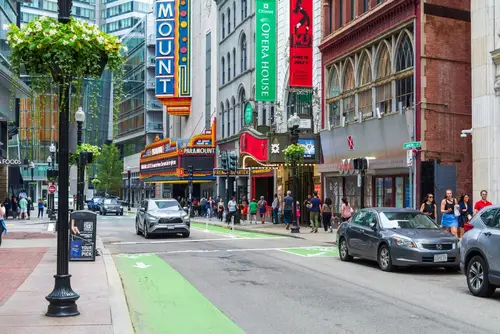
Boston often markets its historic charm and economic opportunities as a draw, but housing affordability is a persistent challenge. Despite efforts at development, available units are limited and prices continue to climb, particularly for middle‑income movers. Many people discover that even neighborhoods once thought affordable become competitive and expensive within months. The city’s old housing stock and zoning restrictions make it hard to add enough new homes to ease the squeeze.
For those expecting a smooth transition, the post‑move reality includes long commutes and pricey repairs in older buildings. And unlike newer cities, Boston’s charm doesn’t always mean value—keeping up with maintenance and taxes can surprise newcomers. The overall cost of living often undercuts initial expectations, making long‑term settlement a tougher sell.
12. Detroit, Michigan
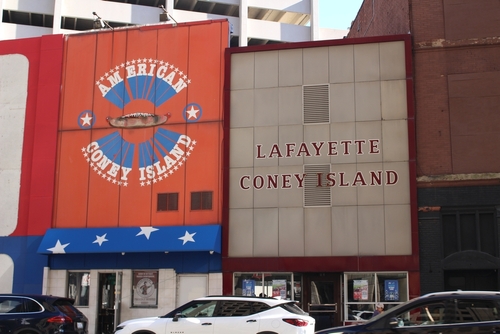
Detroit’s story is complicated: a city with deep industrial roots and recent revitalization efforts, yet still grappling with housing instability. Some who move here seeking low costs find older neighborhoods with vacant homes and spotty services rather than vibrant communities. Urban decay and a history of disinvestment mean people can run into unexpected repair costs and hard‑to‑navigate ownership hurdles. And while there’s renewed energy in parts of the city, housing remains uneven and unpredictable for many residents.
Affordability here can be misleading: you might snag a cheap house, but the neighborhood around it could lack basic infrastructure or face abandonment issues. That’s something many new arrivals don’t fully grasp until they’re living it. The dream of affordable city life meets the reality of patchy renovation and lagging services. It’s a place where promises and reality often sit far apart.
13. Baltimore, Maryland
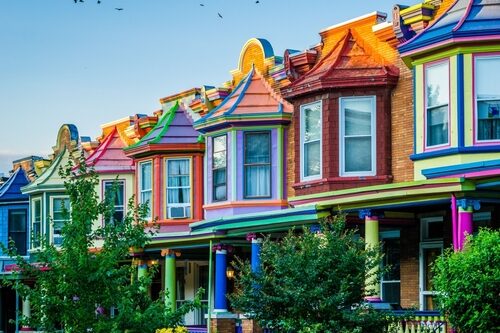
Baltimore’s charm—historic row houses and proximity to major East Coast hubs—has drawn many newcomers, but its housing market carries underreported pitfalls. Housing demand didn’t translate into broad affordability, and neighborhoods vary wildly in safety and upkeep. Some people moving in are shocked to discover pockets where property values lag not due to charm but structural issues and disinvestment. Affordable homes here can come with hidden costs in repair, neighborhood instability, or limited services.
Even seasoned city dwellers find navigating Baltimore’s housing markets tricky. What looked like a reasonable price tag often masks years of deferred maintenance or unexpected neighborhood challenges. And while revitalization efforts exist, they’re uneven and don’t always spread evenly. It’s a city where the housing chase demands more grit than many expect.
14. San Francisco, California
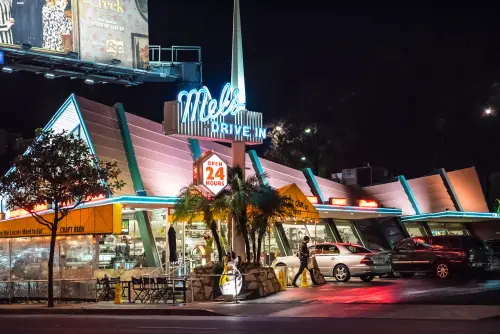
San Francisco seduced many with promises of tech jobs, waterfront living, and a vibrant cultural scene—until people realized the cost to stay was insane. It’s consistently one of the least affordable housing markets in the country, where home and rental prices far outstrip local incomes. Many residents who moved thinking they could gradually climb the property ladder find they’re priced out or burdened with crushing rent payments. Meanwhile, homelessness and housing insecurity loom large, creating a tension most new arrivals didn’t expect.
The city tried policies to boost affordability, but bureaucracy and slow building approvals meant too little too late. What looked like a dream soon felt like a money pit for families and young professionals alike. People who expected housing growth to keep up with job growth have been disappointed time and again. The result? High turnover and a community that feels less stable than advertised.
This post The Hidden Housing Problems That Appear Months After Moving to These Cities was first published on American Charm.

