
1. Washington, D.C.
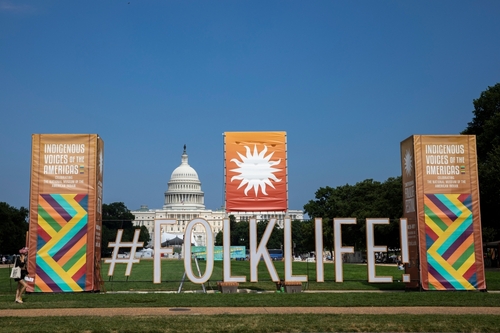
Washington, D.C. promised that economic opportunity and public investment would come with housing solutions for all income levels. Instead, growth around the federal core and booming sectors like tech and consulting pushed prices upward. Affordable housing commitments tied to new developments often lag or fall short of actual need. Many city employees and working families now find themselves priced into the suburbs.
The idea that D.C. would remain a city for everyone clashes with the hard numbers on housing costs. Renters and buyers alike feel squeezed. What was pitched as inclusive urban growth feels tilted toward high earners. That disconnect between message and lived experience has ignited local frustration.
2. Los Angeles, California
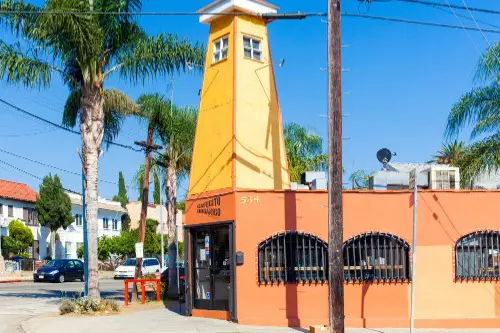
Los Angeles sold itself for years as the West Coast paradise where a combination of sun, culture, and jobs justified the price tag on a home. But the city’s housing shortage has made that pitch feel hollow for many: prices are far too high, and supply too tight. Policies aimed at sustainability and limiting sprawl, while well‑meaning, have also constrained new development and kept costs elevated. For many Angelenos, the dream of owning a modest house near work has slipped away.
Renters feel trapped too; rents remain elevated even as new units are built because demand still outpaces supply. Young professionals find themselves sharing cramped spaces far from job centers. Longtime residents watch property taxes and rent rise year after year without commensurate improvements in affordability. That disconnect between expectation and reality has left many bitter about LA’s housing promise.
3. New York City, New York
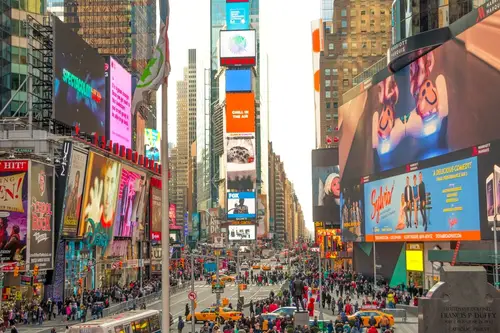
New York has always been marketed as the city where hard work could get you anything — including a place to call home. But while job opportunities abound, the housing supply never kept up, leaving vast affordability gaps across the boroughs. Neighborhoods once touted as up‑and‑coming quickly became luxury enclaves with little left for average earners. Many long‑time locals feel that promises of affordable units never truly materialized.
Despite initiatives to boost construction, rent stabilization and other programs often don’t go far enough to help everyday families. Working professionals end up spending half their income on rent or mortgage payments. Young people raised on the idea that NYC was where you “make it happen” now wonder if homeownership was ever really within reach. There’s a palpable sense of frustration among residents priced out of the city they helped build.
4. San Jose, California
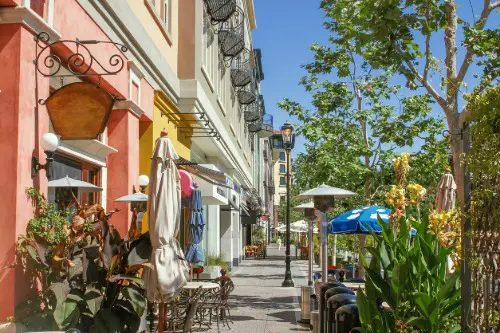
San Jose was sold as the gateway to Silicon Valley — proximity to tech wealth would naturally translate to prosperous homeownership. Instead, explosive job growth far outpaced housing construction, driving prices into the stratosphere. Planners promised growth and jobs would balance with new neighborhoods, but red tape and local opposition slowed much of that new housing. Many workers find themselves commuting into the city from far outside just to afford a place to live.
People who took the San Jose dream at face value are now locked into lengthy commutes or waiting lists for modest rentals. The expectation that tech riches would equal attainable homes never really translated into reality for the middle class. Some residents feel misled by the idea that Silicon Valley prosperity would solve its own housing woes. What was sold as an opportunity has often felt like a trap.
5. Seattle, Washington
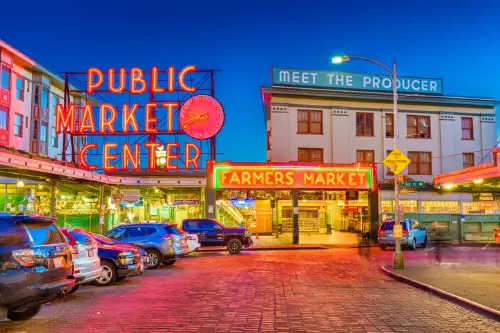
Seattle was once touted as a forward‑thinking housing market that would embrace density and keep prices reasonable. In truth, rapid tech growth from Amazon and other companies outpaced zoning reform and housing delivery. Even with aggressive rhetoric about building “units for everyone,” neighborhoods remain unaffordable for many families. Residents complain that the city talks about affordability but still approves luxury condos that don’t help everyday workers.
The net result is skyrocketing rents and home prices that strain local budgets. People who moved there for the promise of an affordable, vibrant city now find themselves priced out. Promises of transit‑oriented, walkable communities feel like marketing slogans more than delivered solutions. Seattle’s story has become one of aspiration colliding with stark market realities.
6. Portland, Oregon
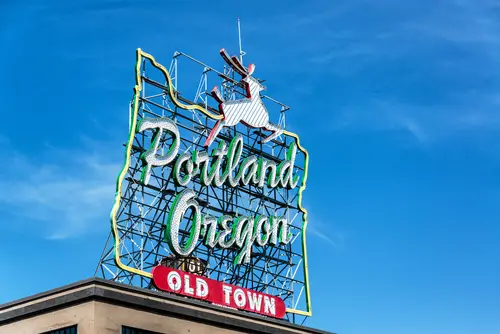
Portland marketed itself as a progressive haven where sustainability and community would go hand‑in‑hand with affordable housing. However, years of zoning experiments and slow build‑out have left the city with significant gaps between its ideals and what most residents can actually afford. Skyrocketing rents and home values pushed by in‑migration have made the city less affordable than advertised. Many longtime Portlanders feel like they traded one kind of unaffordability for another.
Despite efforts to legalize accessory dwelling units and encourage density, the housing supply hasn’t kept pace with demand. What was promised as a model of inclusive growth feels uneven in practice. People who arrived for Portland’s quality‑of‑life pitch find themselves stretched thin financially. It’s a struggle between values and the pragmatic pressures of real estate markets.
7. Denver, Colorado
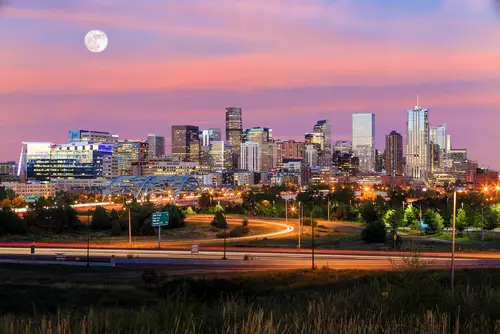
Denver’s booming job market was supposed to bring a balanced, thriving housing scene. Instead, explosive growth left supply chasing demand and prices climbing faster than incomes. City leaders talked up affordable units accompanying new developments, but many felt those numbers fell short or were delayed. Residents now joke that “affordable Denver” is something talked about in brochures, not in real life.
The result is long commutes for workers priced out of the urban core and intense competition for rentals. What was pitched as a vibrant, accessible city feels increasingly exclusive. Denver’s housing narrative went from “come for the jobs” to “good luck finding a home.” The disconnect between promise and reality has left many feeling misled.
8. Austin, Texas
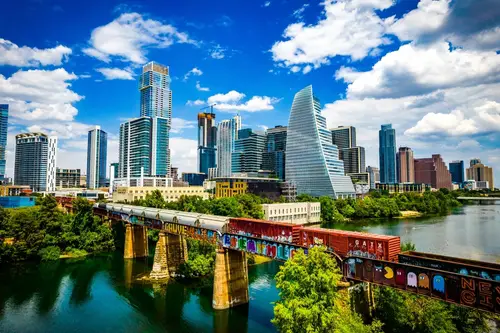
Austin’s image as a cool, creative tech hub brought waves of newcomers chasing jobs and a supposedly attainable housing market. But rapid population growth pushed prices and rents far beyond what many locals expected or can afford. The city talked about preserving affordability even as development boomed, yet supply hasn’t matched demand. It’s common to hear people lament that Austin’s charm came with a much harsher cost than advertised.
Residents who stayed through the boom feel squeezed by rising taxes and housing costs. What was supposed to be an inclusive, affordable tech city feels like it left many behind. Austin’s reputation as an affordable alternative faded quicker than most expected. The housing promise feels like a memory more than a reality.
9. Miami, Florida
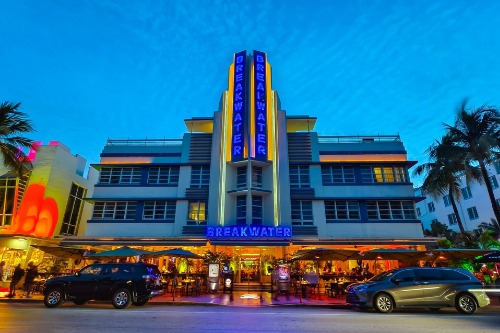
Miami was marketed as a dynamic, sun‑soaked city where vibrant culture met attainable living — at least compared to other coastal metros. Instead, foreign investment and luxury development have driven prices skyward and made truly affordable homes scarce. Efforts to build workforce housing often stall, while high‑end condos rise along the waterfront. Many residents feel that Miami’s growth catered to outsiders and investors rather than local families.
The dream of affordable seaside living now feels like a postcard rather than a lived experience. Working professionals and service workers find themselves pushed to far‑flung suburbs or struggling with rising rents. Miami’s housing narrative hinged on allure, but the market delivered stress for many. The mismatch between marketing and experience is keenly felt.
10. Boston, Massachusetts
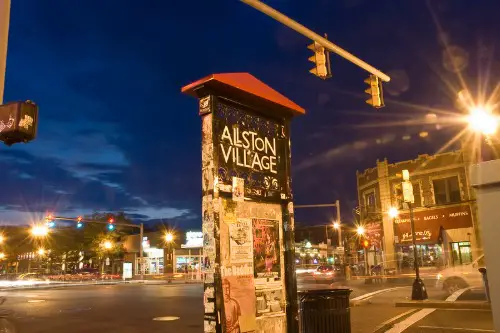
Boston promised that its blend of history, education, and innovation would come with housing opportunities for a broad range of people. In practice, limited land, historic preservation rules, and slow permitting have kept supply tight. Prices climbed as demand from students, professionals, and investors outstripped what was built. Many locals feel the city’s charm came at the cost of real affordability.
Efforts to build affordable units often get mired in negotiations or community pushback. Young graduates struggle to find their first home within city limits. People who grew up hearing about Boston’s chances for stable, accessible living now find that dream elusive. The contrast between promise and housing reality is sharp.
11. Chicago, Illinois
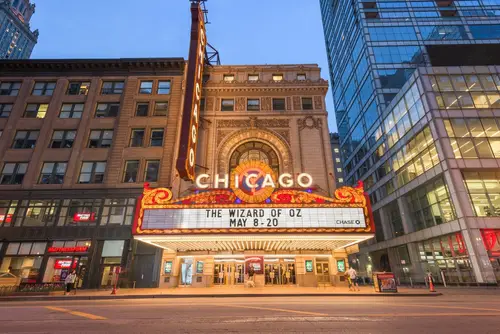
Chicago sold itself as a city of neighborhoods where people could build a life with reasonable housing costs. Yet decades of disinvestment followed by uneven redevelopment have left stark affordability divides across the city. Some areas get shiny new luxury buildings while others see little improvement in housing stock. Many working families feel like the city’s housing strategy favors investment over accessibility.
Affordability initiatives often feel like talk rather than tangible change to those struggling to keep a roof overhead. Residents in once‑affordable enclaves find themselves priced out. Chicago’s reputation as a balanced, affordable big city feels increasingly nostalgic. The gap between expectation and current reality frustrates many long‑time locals.
12. San Francisco, California

San Francisco was long sold as the place where tech money and sky‑high salaries would finally let you buy into the Bay Area. In reality, decades of restrictive zoning and limited housing stock have made that dream feel out of reach for most people. The official plans always promised thousands of new homes, yet practical obstacles slowed or watered down much of that construction. Today many locals feel like they’re stuck paying exorbitant rents or commuting hours just to find something affordable.
Even when prices dipped during tech layoffs, affordability barely improved because incomes didn’t keep pace with costs. People who bought expecting steady long‑term value have seen mixed returns amid market swings. Others who moved there dreaming of middle‑class ownership feel like the promises were more hopeful marketing than grounded reality. It’s become a cautionary tale about hype outstripping housing reality.
13. Nashville, Tennessee
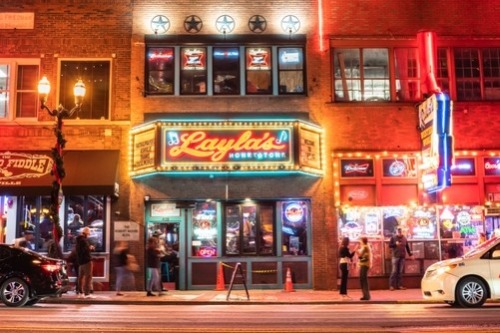
Nashville touted itself as the next great Southern boomtown with music, culture, and affordable living to match. However, explosive population growth quickly turned that narrative on its head as housing demand outpaced construction. The city talked about balanced development and affordability, but many residents say the pace of policy implementation lagged behind the market’s surge. Now prices in formerly affordable neighborhoods have soared.
Long‑time Nashvillians watch as newcomers bid up homes and squeeze traditional communities. The promised affordability cushion feels thin at best. People who moved there for a soulful, affordable city now juggle high rents and competitive purchase markets. The gap between promise and reality is a frequent source of local gripe.
This post The Housing Deals Americans Swear By—but Are Regretting was first published on American Charm.

