
1. Baltimore
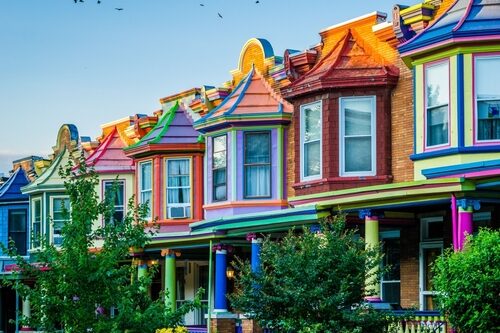
Baltimore’s rowhomes can look like incredible deals compared to nearby East Coast cities. Many require renovations tied to age, including masonry, roofing, and electrical updates. Property taxes are relatively high compared to assessed values. Closing costs and city-specific fees can also add upfront financial pressure.
Insurance premiums may reflect urban density and older building materials. Parking, tolls, and commuting costs add up for residents traveling around the region. Some neighborhoods require ongoing investment to maintain older properties. The total ownership picture can feel very different from the listing price.
2. Detroit

Detroit’s home prices can look shockingly low compared to coastal cities, which is exactly what pulls a lot of buyers in. The catch is that many of those homes are older and come with significant maintenance needs, from outdated electrical systems to aging roofs. Property taxes in parts of the city and metro area are relatively high compared to home values. Add in higher insurance costs tied to vacancy rates and weather risk, and the monthly math changes quickly.
Utility bills can surprise newcomers, especially in winter when heating older homes gets expensive. Long commutes are common if you work outside the city core, which adds fuel and vehicle costs. Some neighborhoods still struggle with limited services and infrastructure, which can affect daily convenience. What looked like a bargain purchase price often spreads into a larger long-term ownership bill.
3. Memphis

Memphis attracts buyers with home prices that feel refreshingly low in today’s market. Tennessee relies heavily on sales taxes, which raises the cost of everyday spending. Flood-prone areas can require specialized insurance that adds to monthly housing costs. Many older homes also come with deferred maintenance that isn’t obvious at closing.
Long, humid summers push air-conditioning systems hard and drive up electricity bills. Car dependency increases transportation expenses, especially with rising fuel and maintenance costs. Some buyers invest in added home security, which becomes another recurring expense. Over time, these factors chip away at the initial sense of housing savings.
4. St. Louis

St. Louis offers large, character-filled homes that seem underpriced compared to national norms. Those historic properties often require specialized repairs that can be pricey. Property taxes vary widely by municipality, and some areas carry heavier annual bills. Insurance costs may also reflect storm risk and aging housing stock.
Seasonal weather swings mean both heating and cooling expenses are meaningful. Commuting across a spread-out metro area can add fuel and vehicle wear costs. Older infrastructure sometimes leads to surprise plumbing or sewer repairs. Buyers frequently realize the purchase price was only one piece of the affordability puzzle.
5. Cleveland

Cleveland’s housing market is famous for low sticker prices, particularly in older neighborhoods with historic homes. Those charming properties often need costly upgrades to plumbing, insulation, and foundations. Property taxes in certain suburbs are high relative to assessed home values. That means your annual carrying costs can feel outsized compared to the purchase price.
Lake-effect winters drive up heating expenses and regular snow-related maintenance costs. Older housing stock tends to leak energy, which compounds seasonal utility bills. Insurance premiums can climb when homes contain aging wiring or roofs. Buyers often discover the affordability story is more complicated after the first year of ownership.
6. Birmingham

Birmingham’s housing market is appealing for buyers seeking low entry prices. Many affordable homes are older and may need foundation, roofing, or system upgrades. Alabama property taxes are modest, but insurance costs can rise with storm exposure. Buyers sometimes underestimate long-term maintenance obligations.
Hot summers translate into steady air-conditioning expenses. Car-centric living increases transportation costs over time. Yard maintenance is another recurring expense in neighborhoods with larger lots. Together, these costs reshape what “cheap” housing really means month to month.
7. Buffalo
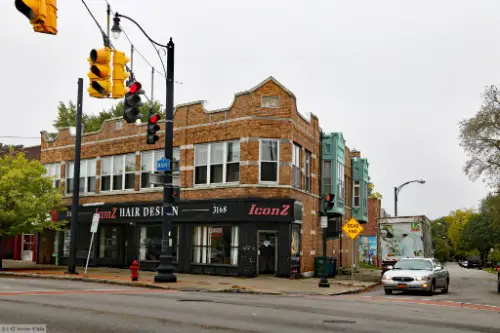
Buffalo is known for low home prices, especially for large historic houses. New York property taxes can be substantial relative to purchase prices. Older homes frequently need insulation and heating upgrades. Snow-related wear adds another maintenance layer.
Long winters drive up heating bills and snow removal costs. Insurance may reflect weather exposure and aging construction. Commuting in winter conditions can increase vehicle expenses. Buyers often discover climate and taxes significantly influence total affordability.
8. Pittsburgh

Pittsburgh offers attractive pricing on classic brick homes in established neighborhoods. Many properties date back decades and need modern electrical or plumbing work. Property taxes vary by municipality and can surprise newcomers. Closing and transfer taxes add to upfront costs.
Hilly terrain can increase maintenance issues like drainage and foundation wear. Heating older homes through cold winters raises utility bills. Parking fees and bridge-heavy commutes affect daily budgets. The ownership math often feels heavier than the listing suggests.
9. Milwaukee

Milwaukee’s housing prices can look like a bargain compared to other Great Lakes cities. Older housing stock frequently requires modernization to improve efficiency. Property taxes are relatively high compared to home values. Buyers may face unexpected repair timelines.
Cold winters increase heating demands significantly. Lake-effect weather adds maintenance wear to roofs and exteriors. Insurance premiums can reflect age-related risks. Those ongoing costs reshape the affordability equation.
10. Kansas City

Kansas City attracts buyers with spacious homes at approachable prices. Many properties require updates to aging mechanical systems. Property taxes differ by county and can be higher than expected. Insurance costs may reflect storm exposure.
Summer heat drives cooling bills upward. Suburban commuting adds steady fuel and vehicle expenses. Larger homes mean higher maintenance budgets. Buyers quickly see that space comes with recurring financial tradeoffs.
11. Indianapolis
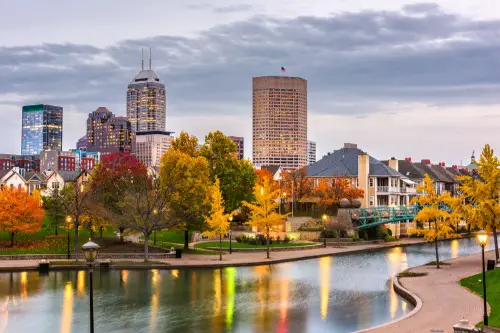
Indianapolis offers relatively low purchase prices in many neighborhoods. Older homes often need roofing, HVAC, or insulation improvements. Property taxes and local assessments can vary widely. Buyers sometimes overlook long-term upkeep.
Seasonal weather swings create both heating and cooling costs. Car dependency increases transportation spending. Storm-related repairs occasionally factor into budgets. The full ownership picture is broader than the mortgage alone.
12. Oklahoma City
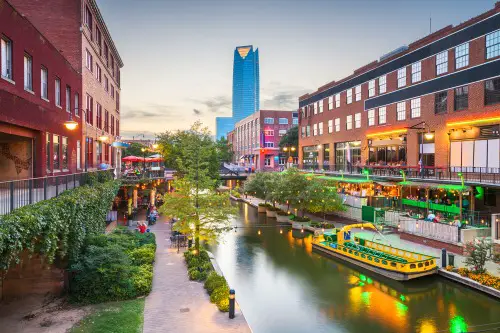
Oklahoma City features affordable homes with generous square footage. Many properties face weather-related wear from hail and wind. Insurance premiums can reflect severe storm risk. Maintenance reserves become important quickly.
Hot summers push cooling systems hard. Transportation costs rise in a spread-out metro layout. Roof and exterior upkeep can be recurring expenses. Those factors dilute the initial housing bargain.
13. Louisville

Louisville’s housing prices appeal to buyers seeking value in historic neighborhoods. Older construction often requires electrical and plumbing updates. Property taxes are moderate but still meaningful relative to price. Renovation costs can accumulate faster than expected.
Humid summers increase cooling expenses. Car-oriented living raises fuel and maintenance spending. Older homes may need frequent preventative repairs. Buyers learn that charm often carries ongoing costs.
14. Rochester
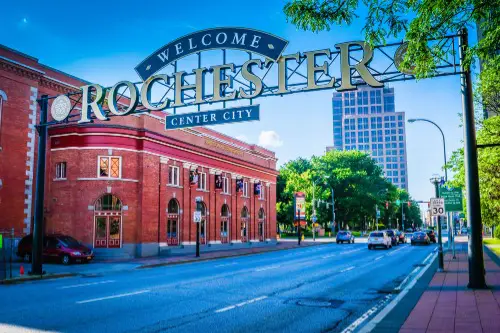
Rochester offers low home prices that stand out in New York State. Property taxes can be high compared to purchase cost. Many homes need insulation and heating system upgrades. Buyers must budget for aging infrastructure.
Long winters bring sustained heating expenses. Snow and ice increase exterior maintenance needs. Insurance premiums may reflect older building materials. The total cost of ownership extends well beyond the sale price.
15. New Orleans
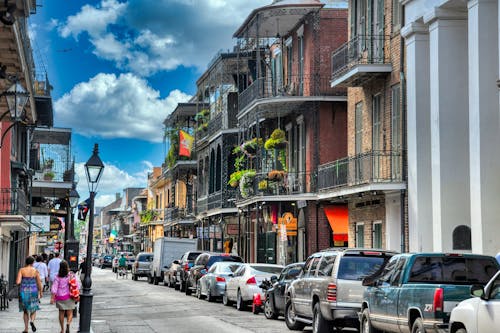
New Orleans attracts buyers with comparatively affordable historic homes. Flood risk often requires specialized insurance coverage. Older structures demand regular preservation work. Property taxes and fees vary by parish.
Humidity accelerates wear on building materials and systems. Cooling costs stay high for much of the year. Storm preparedness and repairs can strain budgets. Buyers quickly realize climate-related expenses shape long-term affordability.
This post 15 Cities Where Housing Looks Cheap—Until You Factor In Everything Else was first published on American Charm.

