1. Waco, Texas

In some Texas secondary markets like Waco, what once seemed like a bargain now looks less alluring as prices soften. Waco drew buyers with lower upfront costs, but buyers are discovering the local market doesn’t move fast. Homes can sit without offers, making moves harder when life changes. When you’re house-rich but cash-poor, homeownership starts to feel like a trap.
Lower demand means it can be tough to get out at a good price. That’s especially true if interest rates climb, squeezing monthly payments. People here often regret buying too quickly. It’s a reminder that cheaper isn’t always better.
2. Cape Coral, Florida
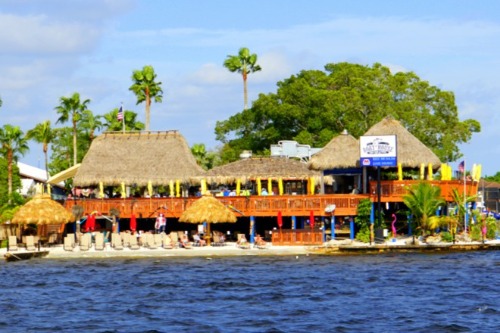
Cape Coral is another Florida community where prices have slipped significantly after pandemic-era spikes. Folks who bought at the top of the market are now grappling with lower valuations and sluggish sales. Inventory has grown, making it harder to sell without cutting prices. Many owners are simply waiting on an improvement that may take years.
Insurance and flood risk also weigh heavily here, eating into affordability. Maintenance costs are higher than average for waterfront homes and canals. That combination — declining value and high ongoing costs — turns what should be an asset into a financial headache. For some residents, it feels like riding out a bad bet.
3. Austin, Texas
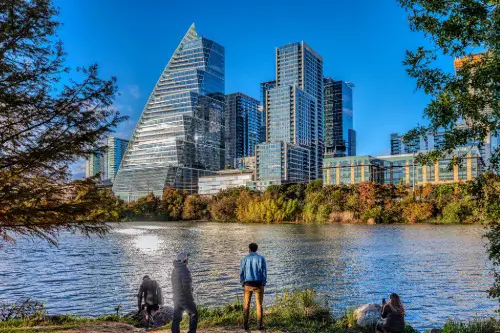
Austin’s explosive growth left buyers paying top dollar, but the market has cooled, leading to falling prices and longer listing times. A tech slowdown and overbuilding mean some homeowners owe more than their home is currently worth. It’s hard when you bought thinking the boom would never stop and now you can’t easily sell. That sense of regret is common here.
The city’s popularity also pushed property taxes up, so holding onto a home isn’t cheap. Combined with slower value growth, you end up stuck paying costs without financial upside. Buyers chasing equity gains are learning the hard way that timing matters. Your house can feel like a money pit if local demand softens.
4. North Port, Florida
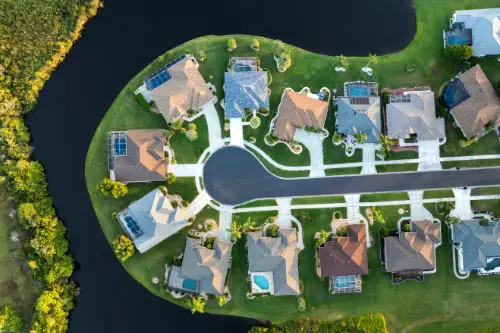
Once a sleepy Sunbelt town, North Port saw frantic buying during the pandemic, but that demand has reversed. Home values have retreated after surging, leaving some owners underwater. Buyers who moved here seeking affordability now wrestle with slower market activity. This is exactly the situation where owning starts to feel like anchoring yourself.
Add in higher insurance costs tied to coastal risks and it makes exit decisions harder. A home you thought was a stepping-stone can become a millstone. Neighborhoods with higher inventory only compound the problem. This dynamic turns ownership into a long wait, not a financial gain.
5. Tampa, Florida
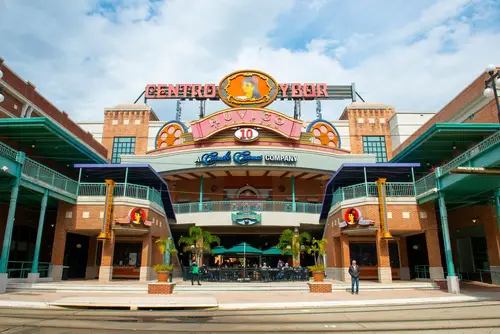
Tampa’s housing market has cooled more than many expected, with year-over-year price declines. Buyers who purchased inflamed during the “buy now or miss out” mentality are now facing price corrections. Even though it’s a big city with amenities, the slow market can make moves costly. Homeowners feeling stuck often talk about how their dream home now feels like a ball and chain.
Insurance and living costs also erode budgets. You might love the sunshine, but declining values and ongoing costs can undercut the joy of ownership. People hoping to flip or quickly gain equity are often disappointed. That disconnect between expectations and reality is the heart of this list.
6. Punta Gorda, Florida

Punta Gorda has become the poster child for post‑boom disappointment, with home values dropping sharply in recent years. Many who bought thinking they’d build equity now watch their investment shrink as insurance costs rise and buyer demand softens. Residents often feel stuck watching property values dip below what they paid. This isn’t just anecdotal — data shows it among the worst housing markets for value decline nationwide.
Owning here also means shouldering rising upkeep costs in a coastal environment. Insurance premiums are high thanks to weather risk, which eats into any financial breathing room. Sellers find homes spending longer on the market, meaning you can’t easily exit if you need to. That kind of stagnant market can make homeownership feel like quicksand.
7. Brownsville, Texas
Brownsville has seen post-boom corrections similar to other Texas towns, with some homeowners watching values dip. Migration patterns shifted as the pandemic eased, and that slowed housing demand. Many residents invested during the heyday only to find resale values stagnant. That sense of financial inertia makes ownership feel like a trap.
Local wages haven’t kept pace with property taxes and maintenance costs. Those fixed expenses loom large when market gains disappear. When it’s expensive to own and hard to sell, it’s easy to feel stuck. That’s the essence of trap-like homeownership.
8. Wichita Falls, Texas
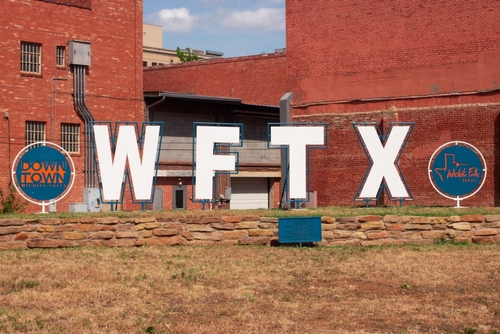
Wichita Falls represents a smaller Texas market where once-hot buying has given way to slower demand and softer values. That can leave homeowners wishing they’d waited. Long listing times and price cuts are more common here than in a healthy market. When you can’t move without losing money, it starts to feel like home is holding you hostage.
It’s also a place without the big-city amenities that attract constant buyer interest. That makes resale trickier. Carrying costs add up while waiting for value recovery. That’s a hard pill to swallow when you thought you were making a smart investment.
9. Pine Bluff, Arkansas
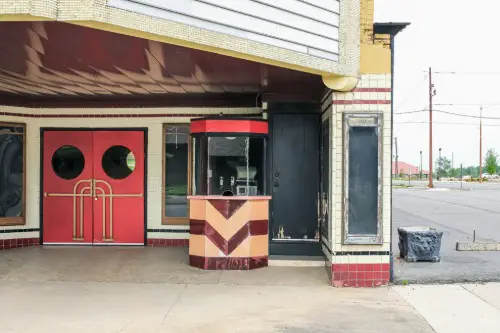
Pine Bluff’s unbelievably low house prices mask deep structural issues like population decline and weak job opportunities. Properties might be cheap, but buyers often find themselves in a community with fewer future prospects. That’s a classic “trap” scenario — you own something that’s hard to leverage into financial growth. Homes selling for pocket change may look tempting until you realize resale is much harder than purchase.
With schools and local services under strain, many owners find their quality of life isn’t what they hoped. That imbalance between cost and benefit makes ownership feel like obligation, not opportunity. And if you want to leave, the market doesn’t always cooperate. That’s doubly tough on families and retirees alike.
10. New Orleans, Louisiana
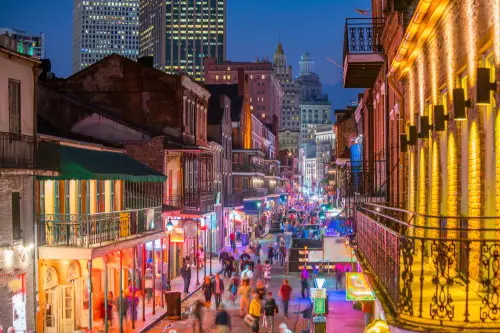
New Orleans combines natural disaster risk with insurance headaches, which directly impacts home values and affordability. Flood insurance costs, aging infrastructure, and regulatory complexity all weigh on ownership. Even iconic neighborhoods can feel like financial heavyweights with uncertain upside. That tension between love for the culture and dread about the finances can make owning here feel like a trap.
Some buyers adore the city’s vibe, but the math is hard to ignore. When insurance eats into your budget and values stagnate, it’s tough to view a home as wealth-building. That’s especially true for long-term owners on fixed incomes. Home isn’t feeling secure — it feels expensive.
11. San Francisco, California
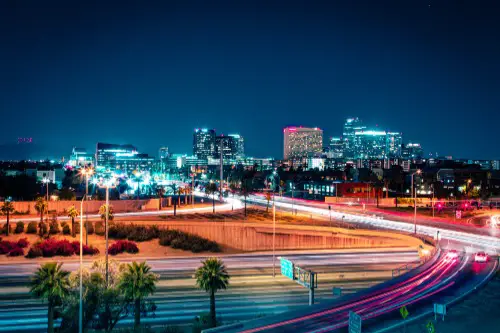
San Francisco’s housing roller coaster is well-documented: sky-high peaks followed by noticeable pullbacks. Many recent buyers are now underwater or barely breaking even. With such steep entry costs, owners can’t move without significant loss or enormous mortgages elsewhere. That’s the definition of feeling trapped by a house.
Plus, the ongoing cost of living and taxes sucks up income. People in mid-career often can’t afford to sell and relocate their equity. That leads to homeowners sticking around long past their ideal move date. Instead of freedom, ownership feels like chains.
12. Phoenix, Arizona
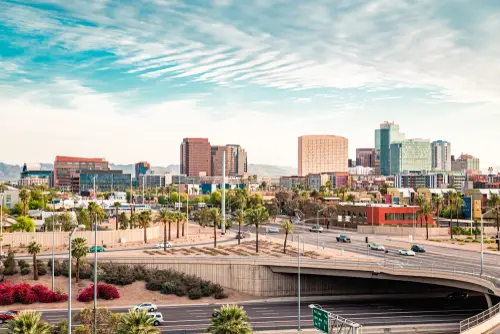
Phoenix experienced a rapid boom that’s now giving way to slowing prices and higher inventory. Buyers who entered late may find they’re not gaining equity like they expected. It’s especially painful when you took on a large mortgage thinking the market would only climb. Now, you’re left staring at a property that doesn’t feel like the investment you imagined.
The city’s flatting market also means fewer eager buyers when you want to sell. That’s frustrating in a place that once felt like a sure bet. A home that looked like opportunity now feels like liability. That psychological shift is a big part of why people feel trapped.
13. San Antonio, Texas
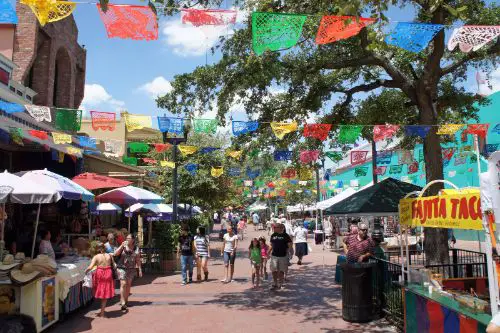
San Antonio saw strong pandemic-era growth, but values have softened recently, making buyers who got in at peak nervous. With more properties on the market than demand, owners can’t always exit quickly at a profit. The tax and maintenance burden remains while expected gains evaporate. For many, the dream of building equity turned into a lesson in timing.
And while the city has charm, economic shifts can make long-term ownership feel heavy. Affordable at purchase doesn’t always mean liquidity later. That mismatch creates a trap-like feeling. You’re tied down, waiting for better days.
14. Dallas, Texas
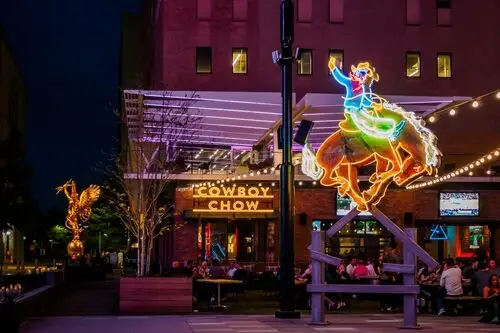
Dallas has seen downward pressure on typical home values after years of rapid appreciation. That shift means buyers who paid top dollar are now nervous about holding onto value. Long listing times and price cuts in surrounding neighborhoods make selling tricky. When leaving home feels costly, ownership can feel like a financial bind.
The city’s sprawling nature also means upkeep costs can add up. Bigger yards and older homes bring maintenance surprises. That can turn pride of ownership into regret. It’s tough when the market works against you rather than for you.
15. Pittsburgh, Pennsylvania
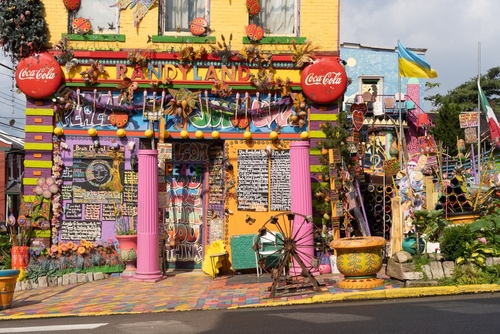
Pittsburgh’s modest home price declines reflect a market that hasn’t kept pace with national trends, leaving some owners wondering if their equity is really growing. Buyers here often watch their neighbor’s home sit longer than expected before selling. That sense of stagnation can make homeownership feel static rather than always moving forward financially. It’s not dramatic decline, but it’s slow enough that owners can feel stuck.
Combined with property tax burdens that don’t necessarily translate into strong resale gains, it’s a tough balance. When homeownership doesn’t feel like progress, it feels like persistence. That’s the subtle form of “trap” many homeowners talk about: you’re tied in but not moving forward.
This post 15 Towns Where Homeownership Feels Like a Trap was first published on American Charm.