
1. Pittsburgh, Pennsylvania

Pittsburgh’s housing market has long been known for prices that sit comfortably below national averages. In many parts of the metro, mortgage payments can undercut rent for comparable space. That affordability draws first-time buyers who want stability without coastal price tags. It’s one of the reasons the city remains attractive to budget-minded households.
However, a slower pace of population growth can dampen resale excitement. Some homes are older and come with renovation needs that renters never face. Wage growth varies by industry, which can influence how affordable ownership truly feels. Buyers sometimes discover the lower payment reflects a market with modest long-term upside.
2. New Orleans, Louisiana

On paper, New Orleans can look like a rare win for buyers because average mortgage payments have often tracked below typical rents. That gap shows up partly because rents have climbed faster than home prices in several neighborhoods. Buyers sometimes find they can lock in a monthly payment that feels surprisingly manageable. It’s the kind of math that makes renters pause and consider ownership.
But ownership here carries costs renters rarely see coming, especially steep insurance tied to hurricane and flood risk. Property taxes and maintenance on older homes can quickly narrow the savings. Many houses also require constant upkeep thanks to humidity and storm exposure. So while the mortgage number looks friendly, the total ownership experience can feel heavier than expected.
3. Chicago, Illinois

Chicago frequently appears in affordability comparisons where mortgages edge below rents, particularly outside the city’s hottest neighborhoods. The housing supply is broad enough that buyers can still find entry points that compete with rent prices. For renters tired of rising leases, that monthly comparison can be compelling. It gives the impression that buying is the financially smarter move.
Then reality sets in with some of the nation’s higher property tax burdens layered on top. Utility costs and building maintenance — especially in older housing stock — add steady pressure. Appreciation varies wildly by neighborhood, so equity growth isn’t guaranteed. The result is a mortgage that may be cheaper than rent, but not always simpler to carry long term.
4. Miami, Florida

Miami surprises people by occasionally showing mortgages cheaper than rent in certain price brackets. Rent spikes and investor-driven demand have pushed leases high enough to tilt the comparison. Buyers can stumble onto condos or homes where monthly payments look competitive. It creates a tempting narrative that owning beats renting in a high-profile city.
Insurance premiums tied to storms and flooding can dramatically change that calculation. Condo fees or special assessments also add layers renters don’t shoulder. Seasonal demand swings can make the market feel unpredictable. The mortgage may start cheaper, but the full cost picture often widens quickly.
5. Memphis, Tennessee

Memphis stands out for relatively low home prices that can translate into mortgages below local rents. Buyers entering the market often see a clear monthly advantage. The barrier to ownership appears refreshingly attainable compared to many U.S. cities. That affordability can feel like an open invitation to build equity.
Yet household incomes in the region tend to run lower than national averages. Older homes frequently require repairs that chip away at savings. Neighborhood differences strongly influence resale potential. A cheap mortgage doesn’t always equal a smooth ownership journey.
6. Cleveland, Ohio

Cleveland’s housing prices remain low enough that mortgage payments often beat rents. For renters, the math can make buying look like a logical step forward. Entry-level homes are widely available, keeping competition reasonable. The affordability narrative here is hard to ignore.
Still, slower economic expansion affects long-term value growth. Some properties demand ongoing maintenance due to age and weather exposure. Equity gains can take patience in a flatter market. Owners sometimes realize the low payment comes with tradeoffs in appreciation.
7. Detroit, Michigan

Detroit offers some of the country’s most affordable purchase prices, which naturally pulls mortgage payments down. In certain neighborhoods, buying can cost less monthly than renting comparable space. That dynamic attracts buyers eager for ownership stability. It feels like a rare chance to pay less while building equity.
But housing quality varies dramatically block by block. Renovation needs can be extensive, especially in older structures. Market recovery has been uneven, influencing resale confidence. A cheap mortgage can mask the real investment required to maintain the home.
8. Tampa, Florida

Tampa’s rapid rent growth has occasionally outpaced mortgage costs for buyers entering at the right price point. That gap makes ownership seem financially savvy at first glance. Buyers are drawn by the promise of locking in predictable payments. The comparison often favors purchasing over renewing a lease.
Insurance and property taxes in coastal Florida complicate that story. Storm exposure adds an unpredictable cost layer. Market volatility tied to migration trends can shift pricing quickly. What begins as a monthly savings can feel less certain over time.
9. Oklahoma City, Oklahoma

Oklahoma City maintains a housing market where purchase prices keep mortgages competitive with rents. Buyers frequently find starter homes that align with rental budgets. The city’s steady growth supports accessible entry points. It gives renters a practical path toward ownership.
Economic ties to energy industries introduce occasional volatility. Sprawling development can increase commuting and transportation costs. Appreciation tends to be moderate rather than explosive. Owners may save monthly but still face broader budgeting tradeoffs.
10. Houston, Texas
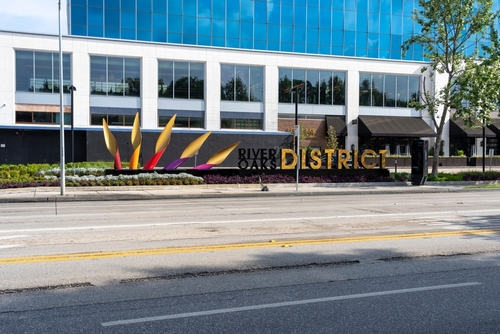
Houston’s expansive housing supply helps keep purchase prices relatively approachable. In many neighborhoods, mortgage payments compare favorably with rent. Buyers benefit from a wide range of housing styles and price tiers. The monthly math often encourages renters to consider buying.
Property taxes in Texas can significantly inflate total ownership costs. Insurance tied to flood risk adds another financial layer. Market cycles influenced by the energy sector affect stability. The cheaper mortgage doesn’t always mean lighter long-term expenses.
11. Birmingham, Alabama

Birmingham’s modest home prices create mortgage payments that can undercut local rents. First-time buyers often see ownership as financially reachable here. The market offers room to purchase without extreme competition. It feels like a sensible upgrade from renting.
Many homes are older and require steady maintenance. Wage growth has been gradual, affecting affordability margins. Appreciation can be slower compared to hotter markets. Buyers may trade rent savings for long-term upkeep commitments.
12. Indianapolis, Indiana

Indianapolis balances population growth with housing supply, helping keep mortgages competitive with rents. Buyers often find properties that align closely with rental budgets. The city’s affordability appeals to young professionals and families alike. Ownership can feel like a practical next step.
Neighborhood performance varies, influencing resale outcomes. Property taxes and maintenance costs add predictable pressure. Appreciation tends to be steady rather than dramatic. A lower payment doesn’t always equal a fast financial payoff.
13. St. Louis, Missouri

St. Louis offers home prices that frequently produce mortgage payments below rent. Buyers can access established neighborhoods without premium pricing. The affordability comparison often tilts toward purchasing. It’s an appealing proposition for renters seeking stability.
Economic growth has been uneven across the metro. Older housing stock brings renovation considerations. Appreciation rates can lag faster-growing cities. Owners sometimes find patience is required to see meaningful equity gains.
14. Louisville, Kentucky

Louisville’s housing costs allow mortgages to compete directly with rental payments. Buyers often enter the market without stretching budgets excessively. The city’s approachable price points support first-time ownership. Monthly comparisons can strongly favor buying.
Many available homes are older and carry maintenance demands. Wage growth is steady but not explosive, influencing affordability cushions. Appreciation is typically gradual. The savings over rent can feel real, but not always transformative.
This post 14 Cities Where Mortgages Cost Less Than Renting—and Still Fail was first published on American Charm.

