1. Mexico
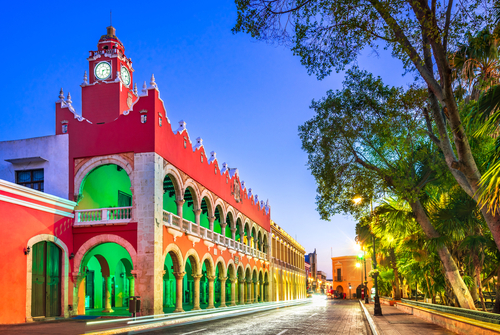
Many Americans look to Mexico for sunshine, proximity, and a lower cost of living. Cities like Mexico City and Mérida offer rich culture, food, and established expat communities. The appeal is strong because you can live comfortably on a moderate budget while staying close to the U.S. But residency rules and paperwork can be confusing, especially as immigration enforcement has tightened in recent years.
Safety realities can feel complicated and vary dramatically by neighborhood. Infrastructure is inconsistent, with water pressure, internet reliability, and building maintenance differing block by block. Navigating healthcare is affordable but requires learning a largely private system with upfront payments. Newcomers quickly discover that patience and local knowledge matter more than any relocation checklist.
2. Canada

Canada draws Americans with universal healthcare, political stability, and familiar cultural norms. Major cities feel recognizable, which eases the emotional leap of leaving home. Many assume immigration will be simple because of geography and shared language. In reality, the points-based immigration system is competitive and can be difficult to qualify for.
Housing prices in cities like Toronto and Vancouver routinely shock newcomers. Winters are long and dark, demanding real lifestyle adjustments beyond warm clothing. Public healthcare reduces costs but can involve wait times that frustrate people used to faster access. Americans often learn that cultural similarity doesn’t eliminate bureaucratic complexity.
3. Portugal

Portugal attracts Americans seeking coastal beauty and a slower rhythm of life. Lisbon and Porto offer walkable neighborhoods and vibrant café culture. The country built a reputation as an affordable European landing spot for remote workers. However, rising housing demand has pushed rents up sharply in popular neighborhoods.
Government processes can feel slow and paperwork-heavy to newcomers. Residency and tax structures require careful planning, especially for freelancers. English is widely spoken in cities, but daily life still benefits from learning Portuguese. Many arrivals realize that the relaxed pace they wanted also applies to administration and services.
4. Spain

Spain appeals to Americans dreaming of Mediterranean living and strong public infrastructure. Cities like Barcelona and Madrid combine historic charm with modern transit systems. The social culture encourages long meals, late nights, and community-oriented living. Yet work visas and residency permits can be difficult to secure without employer sponsorship.
Bureaucracy is famously layered, with appointments and documentation taking time. Youth unemployment and wage levels can limit local job opportunities for newcomers. Regional language differences, such as Catalan in parts of Spain, add another learning curve. Americans often find that lifestyle rewards come with administrative persistence.
5. Costa Rica
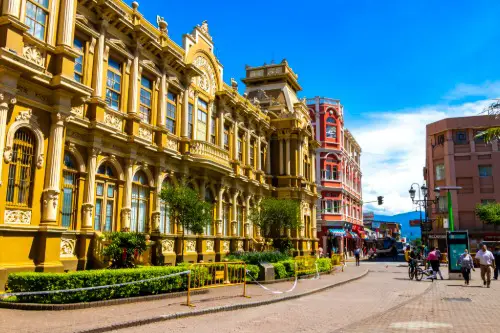
Costa Rica pulls Americans in with biodiversity, political stability, and a laid-back reputation. The country promotes eco-friendly living and strong conservation values. Many retirees are drawn by residency pathways designed for foreign income earners. But imported goods and housing in expat-heavy areas can be more expensive than expected.
Infrastructure outside major towns can be uneven, especially roads and utilities. The rainy season is intense and can disrupt travel and daily plans. Healthcare is high quality but requires navigating both public and private systems. New residents learn that “pura vida” culture includes accepting slower timelines.
6. Thailand

Thailand is a favorite for Americans chasing affordability and vibrant urban life. Bangkok and Chiang Mai offer modern conveniences at a fraction of U.S. costs. Street food, transit options, and coworking spaces support a comfortable lifestyle. Visa rules, however, change frequently and require careful compliance.
Language barriers are significant outside tourist centers. Air quality issues, especially during burning season in the north, can surprise newcomers. Healthcare is excellent and affordable but usually private-pay. Americans quickly realize that long-term stays require ongoing visa strategy.
7. Japan

Japan fascinates Americans with safety, efficiency, and cultural depth. Cities run with remarkable punctuality and public cleanliness. The food culture and transit networks feel futuristic compared to many U.S. cities. Immigration options are limited and often tied to employment or specialized skills.
Language barriers remain steep despite growing English signage. Social norms emphasize politeness and indirect communication that take time to understand. Housing contracts and guarantor requirements can be confusing for foreigners. New arrivals learn that integration requires sustained cultural effort.
8. Germany

Germany attracts Americans seeking strong public services and worker protections. Cities like Berlin blend history with thriving creative scenes. Public transit and healthcare systems are reliable and widely used. Yet immigration processes involve extensive documentation and strict requirements.
German bureaucracy is precise and expects full compliance with registration rules. Housing shortages in major cities create intense competition for apartments. Language skills become essential for navigating official systems. Americans often discover that efficiency comes with rigid expectations.
9. United Kingdom
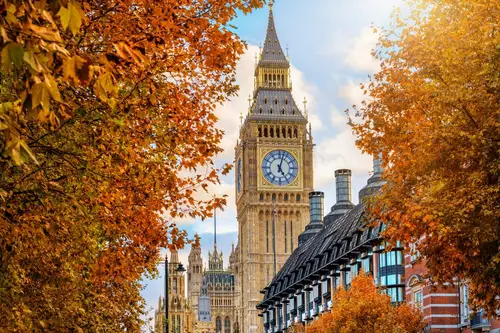
The U.K. appeals through shared language and deep cultural ties. London offers global career opportunities and unmatched arts access. Smaller cities provide historic charm and strong transit connections. Immigration pathways are tightly regulated and often employer-dependent.
The cost of living, particularly housing, can be extremely high in London. The National Health Service is comprehensive but stretched in some areas. Weather patterns are gray and damp for much of the year. Americans learn that familiarity doesn’t equal simplicity.
10. Australia

Australia attracts Americans with outdoor lifestyle, beaches, and strong wages. Cities like Sydney and Melbourne consistently rank high for livability. The culture balances work with recreation in a way many find refreshing. Immigration is points-based and favors specific professions.
Housing costs in major cities are among the highest in the world. Geographic distance makes travel back to the U.S. expensive and time-consuming. Strict biosecurity rules surprise newcomers shipping belongings. Americans quickly appreciate that paradise comes with logistical tradeoffs.
11. Panama

Panama markets itself as a retiree-friendly destination with modern infrastructure. The U.S. dollar circulates alongside local currency, easing financial transitions. Panama City offers skyscrapers, healthcare facilities, and established expat communities. Residency programs exist but require precise documentation and financial proof.
Income inequality is visible, especially outside major urban centers. Infrastructure quality varies between city and rural regions. Spanish becomes essential for navigating government services. New residents find that convenience depends heavily on location.
12. Colombia

Colombia draws Americans with vibrant cities and lower living costs. Medellín, in particular, is known for spring-like weather and modern transit. The country has invested heavily in urban renewal and innovation. Visa categories are available but require careful compliance.
Safety perceptions lag behind reality, yet crime still varies by neighborhood. Infrastructure is improving but remains inconsistent in some areas. Language immersion is unavoidable for daily life. Americans learn that adaptation is key to enjoying the country’s momentum.
13. Netherlands
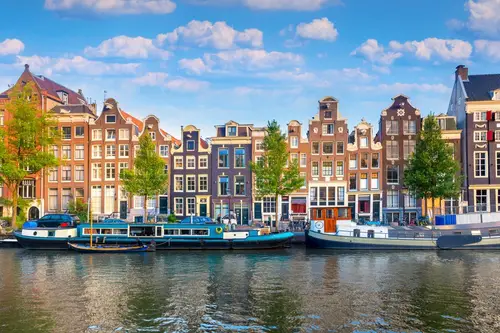
The Netherlands appeals with bike-friendly cities and strong social infrastructure. Amsterdam and Rotterdam offer international business hubs and cultural diversity. Public transit and urban planning feel intuitive and efficient. Immigration rules favor skilled workers and recognized sponsors.
Housing shortages make apartment hunting highly competitive. The tax system includes benefits for some expats but requires expert navigation. Social norms value direct communication, which can surprise newcomers. Americans quickly see that quality of life depends on mastering local systems.
This post Where Americans Go to Escape—and Discover New Problems was first published on American Charm.