
1. Taking “Microbreaks” to Scroll on Their Phones

A lot of Americans sneak in quick phone scrolls during the workday, even in offices with strict screen policies. These microbreaks often happen in the bathroom, at their desks with the brightness turned down, or during a “coffee refill” that takes a little longer than necessary. Surveys from organizations like Pew Research Center have consistently shown that a large majority of U.S. adults own smartphones, and many admit to checking them frequently throughout the day. At work, though, it can feel taboo, especially in environments that prize constant productivity.
The reason it’s so common is simple: short mental breaks can help with focus and stress. Research in occupational psychology suggests that brief breaks can improve concentration and reduce fatigue, which helps explain why people reach for their phones. Still, many workers worry it looks unprofessional or lazy, so they keep it under wraps. It becomes a quiet ritual—one that almost everyone does, but few openly discuss.
2. Eating Lunch at Their Desk Instead of Taking a Real Break

Despite having designated lunch hours, many Americans eat at their desks while answering emails. Studies have shown that a significant share of U.S. workers skip a full lunch break at least occasionally. It’s especially common in competitive or understaffed workplaces where stepping away feels risky. Even remote workers admit to grazing between meetings instead of logging off properly.
People keep this habit quiet because it can signal poor work-life boundaries or overcommitment. In reality, it’s often about staying caught up or avoiding a backlog of messages. Some employees worry that taking a full break might make them look less dedicated. Ironically, research shows that taking real breaks can improve productivity, which makes the secret desk lunch a bit counterproductive.
3. Applying for Other Jobs on Company Time
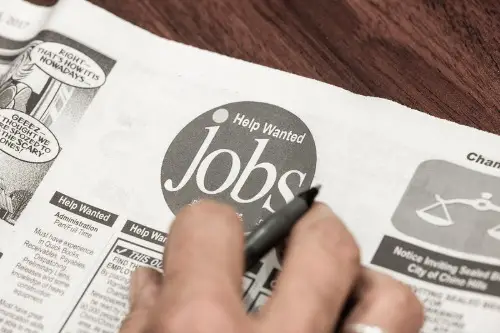
It’s more common than people admit: browsing job boards or polishing a résumé during slow moments at work. Surveys by major job platforms have found that a substantial percentage of employees consider themselves open to new opportunities, even if they’re currently employed. With most applications happening online, it’s easy to toggle between spreadsheets and job listings. Still, no one wants to be caught updating LinkedIn in the break room.
The secrecy is obvious—job searching while employed can jeopardize job security if discovered. Employees may feel disloyal, even if they’re simply exploring options. The habit persists because career mobility is normal in the U.S., where changing employers is often the fastest way to increase salary. It’s a quiet act of self-preservation wrapped in a browser tab.
4. Personal Online Shopping During Work Hours
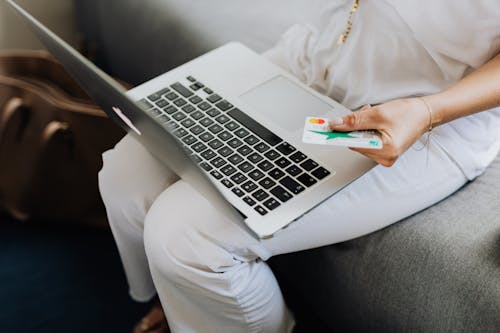
From holiday gifts to everyday essentials, plenty of Americans make personal purchases while on the clock. E-commerce is deeply embedded in daily life in the U.S., and major sales often happen during standard business hours. It can feel efficient to place an order between meetings instead of doing it after a long day. But it’s rarely something people advertise to their supervisors.
The reason behind this habit is convenience and timing. Limited-time deals and restocks don’t wait until 6 p.m., and busy schedules make multitasking tempting. Employees may rationalize it as no different from a quick coffee break. Still, because it blurs professional boundaries, most people keep their shopping tabs discreetly minimized.
5. Listening to Music or Podcasts with One Earbud In
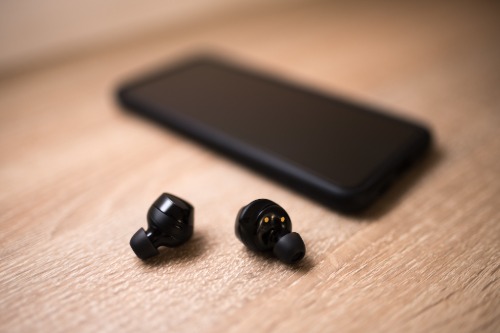
In open offices and even some remote meetings, you’ll find workers quietly listening to music or podcasts. Streaming services are widely used in the U.S., and many people say music helps them focus. Some keep one earbud in during repetitive tasks or data entry. Others queue up podcasts during long stretches of independent work.
This habit is kept quiet mainly in workplaces that expect full attentiveness at all times. Employees may worry it appears disengaged or disrespectful. Yet research on productivity suggests that certain types of background music can enhance concentration for some tasks. The secrecy isn’t about wrongdoing—it’s about optics.
6. Taking Extended Bathroom Breaks for a Mental Reset

The “bathroom break” that doubles as a few minutes of solitude is more common than most people admit. In busy offices, the restroom can be one of the only private spaces available. Some workers use it to decompress, scroll their phones, or just breathe for a minute. It’s not always about necessity; sometimes it’s about escaping noise or stress.
This habit exists because privacy at work is limited, especially in open-plan offices. Studies on workplace design have noted that lack of privacy can increase stress levels. Instead of announcing they need a mental break, employees frame it as a quick restroom trip. It’s a small, socially acceptable cover for self-regulation.
7. Keeping a Secret Snack Stash

Desk drawers across America are filled with granola bars, candy, and emergency chips. Even in offices with communal kitchens, many workers prefer their own private stash. It’s partly about convenience and partly about control—no one wants their favorite snack to disappear. Food habits can feel oddly personal, so people don’t always advertise their supply.
There’s also a practical reason: steady blood sugar helps maintain focus and mood. Nutrition research supports the idea that small, balanced snacks can prevent energy crashes. Still, some employees worry about being judged for snacking too often. So the drawer closes quietly, and the wrapper gets tucked deep into the trash.
8. Adjusting Their Schedule Without Telling Anyone

With flexible and hybrid work more common in the U.S., some employees quietly shift their schedules. They might start earlier, log off later, or run midday errands without formally announcing it. As long as deadlines are met and meetings are attended, it often goes unnoticed. But it’s not always officially approved.
The secrecy comes from uncertainty about company expectations. Even in flexible workplaces, employees may fear being seen as less committed. Research on remote work shows that flexibility can improve job satisfaction, but cultural norms lag behind policy. So workers adapt quietly, shaping their day in ways that suit their lives.
9. Practicing Interview Answers in the Car
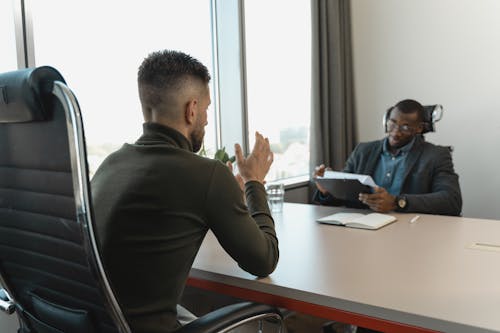
Before or after work, some Americans sit in their cars rehearsing answers to common interview questions. Career coaches frequently recommend practicing responses out loud, which can feel awkward at home. The car offers privacy and a captive audience of exactly one. It’s a surprisingly common staging ground for career moves.
People keep this habit quiet because it signals possible departure. Even mentioning an interview can spark workplace gossip. Given that voluntary turnover is a regular feature of the U.S. labor market, preparation is practical. Still, it feels safer to let the steering wheel hear your five-year plan than your coworkers.
10. Avoiding Using All Their Vacation Days

The U.S. is known for relatively limited paid time off compared to many other developed countries. Even when employees have vacation days available, a significant number don’t use all of them. Some worry about falling behind or appearing less dedicated. Others feel subtle pressure from workplace culture to stay available.
This habit is often hidden because it reveals burnout or fear. Employees may not want to admit they’re anxious about unplugging. Research has shown that taking time off can reduce stress and improve well-being, yet the stigma persists in certain industries. So unused vacation days quietly roll over—or disappear—without much discussion.
11. Pretending to Be Busier Than They Are
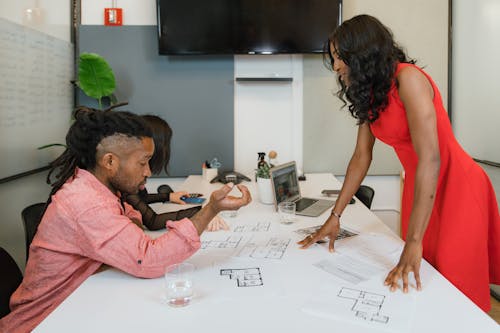
Many workers admit, privately, to “performative busyness.” That can mean typing vigorously, scheduling unnecessary meetings, or keeping their calendar blocked. In competitive environments, appearing busy can feel like job security. It’s a way of signaling value without explicitly saying it.
The reason is rooted in workplace psychology and economic uncertainty. When layoffs make headlines, employees may equate visibility with safety. Studies on organizational behavior suggest that perceived effort can influence evaluations, even if output is what truly matters. So the clicking keyboard becomes a subtle performance, staged for anyone who might be watching.
This post Odd Habits Americans Keep Secret at Work was first published on American Charm.

