1. Asheville, North Carolina

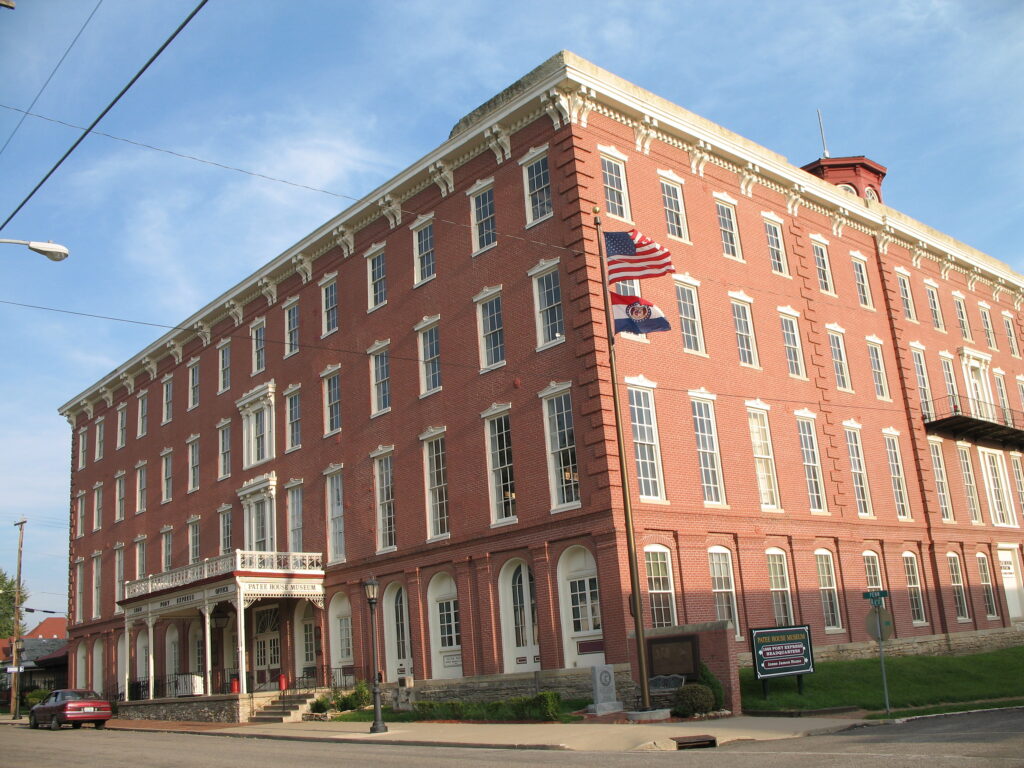
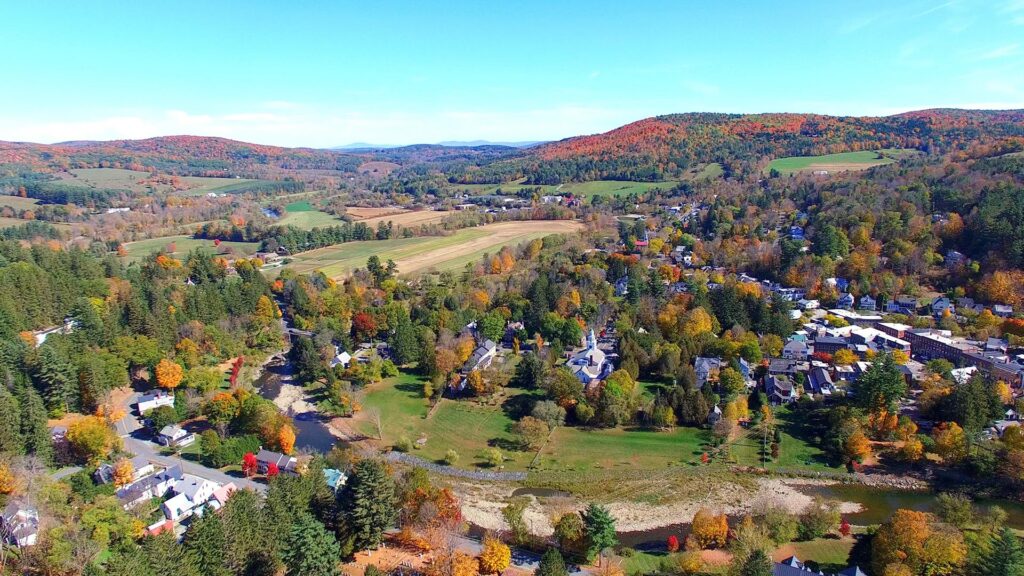
You probably budgeted for rising home prices in Asheville, but you might not have planned for the city’s relatively high property tax bills compared to other North Carolina mountain towns. Buncombe County property taxes, combined with city taxes if you live within Asheville limits, can add up quickly. On top of that, many homes in the area require flood insurance because of the French Broad River and its tributaries. Even properties outside designated flood zones have seen insurance premiums rise after major storms in recent years.
Then there’s tourism. Asheville’s popularity means higher prices for dining, parking downtown, and even event tickets year-round. If you live near the city center, paid parking permits or garage fees can quietly become part of your monthly budget. And during peak leaf season, you may find yourself spending more time and gas navigating heavy traffic. Living in a tourist hotspot has perks, but it rarely comes cheap.
2. Austin, Texas
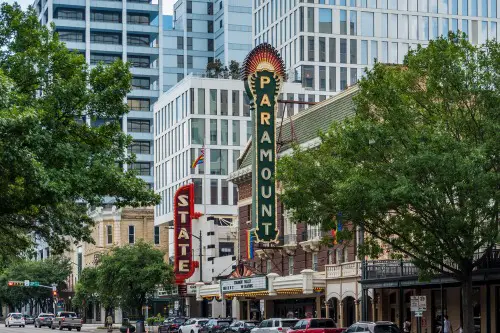
Austin’s lack of state income tax sounds like a win, but newcomers are often surprised by Texas property taxes. Travis County property tax rates are among the higher ones in the state, and rapidly rising home values have pushed annual bills up significantly. Even if you rent, landlords typically pass those higher property taxes on through increased rent. Home insurance costs have also climbed due to hail and storm risks common in Central Texas.
Utilities can also sting. Air conditioning runs hard for much of the year, and summer electric bills can spike during triple-digit heat. Water rates have increased as the city invests in infrastructure and conservation efforts. Add in toll roads like MoPac Express Lanes or SH 130, and commuting costs may be higher than you expected.
3. Boulder, Colorado

Boulder’s home prices get the headlines, but property taxes tied to voter-approved local measures can surprise newcomers. The city and county have passed multiple open space and school funding initiatives over the years, which are reflected in property tax bills. On top of that, many homes are older and may require costly energy upgrades to meet efficiency standards. If you buy in certain areas, you may also face homeowners association fees that aren’t trivial.
The lifestyle can also drive expenses. Outdoor recreation is central to life in Boulder, and gear, park passes, and trailhead parking fees add up quickly. Dining out tends to be pricier than in other Colorado cities, partly due to demand and local wage standards. If you commute to Denver, you’ll need to factor in gas or regional transit passes. The mountain-town charm comes with a front-range price tag.
4. Charleston, South Carolina
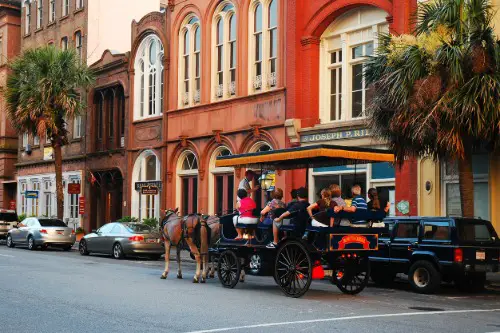
Charleston’s coastal beauty comes with insurance realities. Homeowners insurance premiums are often higher here due to hurricane and flood risk. Many lenders require separate wind and flood policies, especially in low-lying areas. Even renters may see higher premiums for coverage near the coast.
Historic preservation can also cost you. If you own property in certain districts, strict guidelines can increase renovation expenses and limit cheaper materials. Parking downtown is limited, and residential permits or private garage spaces aren’t free. Add in higher utility bills during humid summers, and the true cost of living near the water becomes clearer.
5. Jackson Hole, Wyoming

Wyoming has no state income tax, which attracts many newcomers. However, property values in Teton County are among the highest in the nation, and property taxes reflect those valuations. Even everyday services cost more because of the town’s remote location and affluent visitor base. Groceries, contractors, and dining out are typically priced above national averages.
Winter brings its own expenses. Snow removal is often a necessity, whether you pay for plowing services or invest in equipment. Heating bills can be steep during long, cold winters. If you plan to ski regularly, lift tickets or season passes at Jackson Hole Mountain Resort are a major budget line. Living in a world-class resort town means paying resort-town prices.
6. Key West, Florida

Key West’s island lifestyle comes with logistical costs. Almost everything has to be transported down the Overseas Highway, which can make groceries and construction materials more expensive. Property insurance is also high due to hurricane exposure, and flood insurance is common. Even condo owners often face substantial association fees for storm mitigation and maintenance.
Utilities can surprise you too. Electricity bills climb quickly in the subtropical heat, especially if you’re running air conditioning year-round. Water and sewer services can be pricier than on the mainland. Parking is limited, and if you rely on a private space or garage, that can add a significant monthly expense. Paradise has a price, especially at the end of the road.
7. Nashville, Tennessee

Tennessee also has no state income tax, which makes Nashville look financially friendly at first glance. What many newcomers don’t realize is that Davidson County property taxes have risen alongside home values, especially after the city’s 2020 property tax increase. Rapid population growth has also pushed rents sharply upward over the past several years. Even newer apartment buildings often tack on amenity fees, parking charges, and pet rent.
Tourism plays a role here, too. Living near downtown or The Gulch often means paid parking, event congestion, and higher restaurant prices driven by visitor demand. If you commute, traffic congestion can increase fuel costs and vehicle wear. Homeowners may also face higher insurance premiums due to severe storms and tornado risk. The music may be free on Broadway, but the cost of living rarely is.
8. Bozeman, Montana
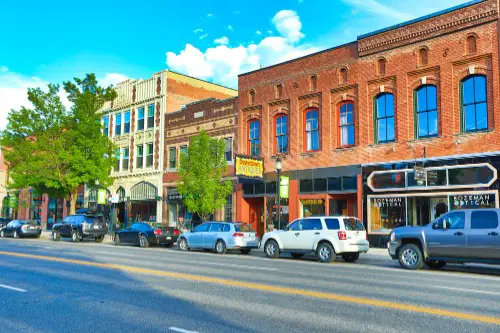
Bozeman’s population growth has driven housing prices up dramatically in Gallatin County. While Montana property tax rates are moderate, rising property valuations have increased actual tax bills. New construction in the area often comes with special district assessments to pay for infrastructure like roads and utilities. That can mean additional annual fees beyond standard property taxes.
Daily living costs can also surprise you. Groceries and building materials are often more expensive due to the town’s relative remoteness. Winters are long and cold, leading to high heating bills and snow removal costs. If you’re drawn by the skiing and outdoor lifestyle, lift tickets at Big Sky Resort are priced at destination-resort levels. Big sky, big scenery, and often bigger-than-expected expenses.
9. Santa Fe, New Mexico
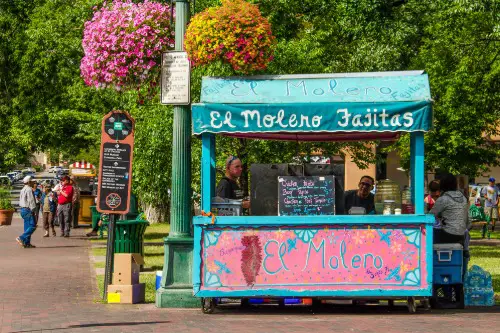
Santa Fe’s historic adobe homes are beautiful, but they can be costly to maintain. Older properties may require specialized materials and skilled labor to preserve traditional architectural features. Heating expenses can be higher than expected due to chilly desert nights and fluctuating temperatures. Property taxes in Santa Fe County have also climbed as home values increased in recent years.
There are also lifestyle-related expenses. Water conservation is a serious issue in northern New Mexico, and tiered water pricing can lead to higher bills for larger properties. Arts, festivals, and cultural events are central to the community, but tickets and participation costs add up. Groceries can be pricier than in larger metro areas due to the city’s size and location. The charm is undeniable, but so are the upkeep costs.
10. Park City, Utah

Park City’s property values are among the highest in Utah, and Summit County property tax bills reflect those valuations. Many neighborhoods include homeowners association dues that cover snow removal, landscaping, and private amenities. Short-term rental regulations and licensing fees can also affect owners who hoped to offset costs with vacation rentals. Insurance premiums may be higher due to wildfire risk in certain areas.
Then there’s winter. Heating costs during cold mountain months can be substantial. Ski passes at Park City Mountain Resort are expensive, especially for families. Even everyday services like dining out or hiring contractors are often priced for a resort clientele. The slopes may be world-class, but so are the monthly expenses.
11. Honolulu, Hawaii
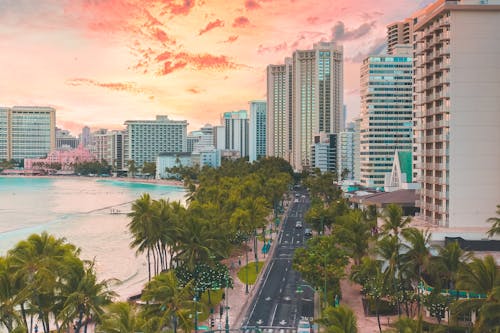
Honolulu’s property tax rates are relatively low compared to many mainland cities, but home prices are among the highest in the country. That means even a modest tax rate can translate into a large annual bill. Groceries and consumer goods are more expensive because most items are shipped to the islands. Utility costs, particularly electricity, are typically higher than the U.S. average.
Condo living is common, and association fees can be significant. Those fees often cover building insurance, maintenance, and reserves for hurricane preparedness. Inter-island or mainland travel adds up if you regularly visit family. Living in paradise comes with very real logistical costs.
12. Lake Tahoe, California

Lake Tahoe’s California side falls within counties like El Dorado and Placer, where property values have risen substantially. Even with California’s property tax limits under Proposition 13, buying at today’s prices means starting with a high assessed value. Many homes require defensible space maintenance and fire insurance due to significant wildfire risk. In some cases, homeowners have faced difficulty securing affordable coverage.
Winter is beautiful but expensive. Snow removal services or equipment are often necessary after heavy Sierra storms. Heating costs can be substantial during cold months. If you enjoy the lake and ski resorts, marina fees, lift tickets, and seasonal recreation costs add up quickly. Tahoe living rewards you with scenery, but it demands a steady budget.
13. Sedona, Arizona
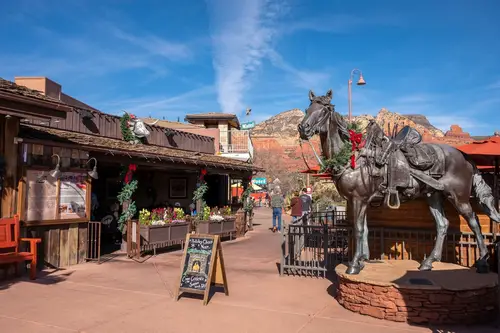
Sedona’s striking red rock scenery draws retirees and remote workers alike. Yavapai County property values have increased sharply, raising property tax bills for newer buyers. Many neighborhoods rely on septic systems and private water services, which can bring maintenance and usage costs. Home insurance premiums may be influenced by wildfire exposure in the surrounding forested areas.
Tourism also shapes local pricing. Restaurants, guided tours, and even basic services often cater to visitors willing to pay premium rates. Parking at popular trailheads may require a Red Rock Pass or federal recreation permit. Summer cooling costs can be high in the desert climate. The views are breathtaking, but everyday living isn’t bargain-priced.
14. Portsmouth, New Hampshire
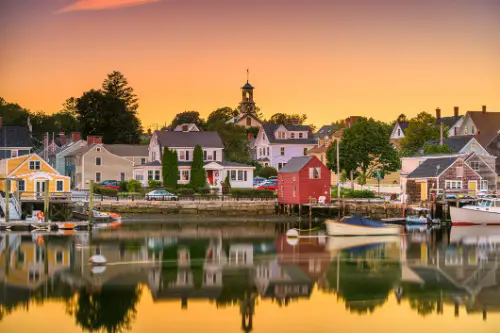
New Hampshire has no state income tax on wages, which attracts many transplants. However, the state relies heavily on property taxes to fund local services and schools. Rockingham County property tax bills can be substantial compared to national averages. If you buy near the water, flood insurance may also be required.
Winter brings additional costs. Heating oil or natural gas bills can spike during cold New England months. Snow removal and winter maintenance are part of life here. Parking in the historic downtown can require permits or paid spaces. The coastal charm is strong, but the tax structure catches many newcomers off guard.
This post The Expenses Nobody Warned You About When You Moved to These 14 Towns was first published on American Charm.