
1. Wages Haven’t Kept Up With the Cost of Living
For many middle-class Americans, paychecks simply haven’t stretched as far as they used to. While wages have risen in nominal terms over the decades, they haven’t consistently kept pace with rising costs like housing, healthcare, and education. When inflation spikes, as it did in 2021 and 2022, everyday essentials get more expensive quickly. Even if salaries tick up, they often lag behind those price increases.
That gap creates a constant sense of playing catch-up. Families may technically be earning more than they did five years ago, but groceries, rent, and utility bills eat up the difference. The result is a quiet squeeze that shows up in smaller savings balances and more credit card use. It’s not always dramatic, but it’s relentless.
2. Housing Costs Are Consuming Bigger Chunks of Income

Whether renting or buying, housing has become one of the biggest financial stressors. Home prices rose sharply during the pandemic housing boom, and mortgage rates climbed significantly starting in 2022. That combination has pushed monthly payments far higher for new buyers. Renters have also faced steep rent increases in many metro areas.
When a large share of income goes toward housing, there’s less flexibility everywhere else. Financial experts often recommend spending no more than 30 percent of income on housing, but many households exceed that threshold. That leaves less room for saving, investing, or handling emergencies. It also makes moving for better job opportunities much harder.
3. Childcare Is Shockingly Expensive

For families with young children, childcare can rival or exceed a mortgage payment. In many states, the average annual cost of center-based infant care runs into the tens of thousands of dollars. Those costs rose in recent years due to staffing shortages and higher operating expenses. Unlike public K–12 education, childcare is largely paid out of pocket.
That puts working parents in a difficult position. One parent may reduce hours or leave the workforce because childcare costs nearly cancel out their salary. That decision can hurt long-term earnings and retirement savings. Even dual-income households can feel like they’re barely breaking even.
4. Healthcare Costs Keep Climbing

Health insurance premiums, deductibles, and out-of-pocket expenses have steadily increased over time. Even people with employer-sponsored coverage often face high deductibles before insurance fully kicks in. Prescription drug prices and surprise medical bills can add to the strain. A single unexpected medical issue can mean thousands of dollars in costs.
Medical debt remains a common problem in the United States. Many middle-class families don’t qualify for public assistance but still struggle to cover large bills. That creates a feeling of vulnerability, even for those who consider themselves financially responsible. The fear of one illness derailing finances is very real.
5. Student Loan Debt Lingers for Decades
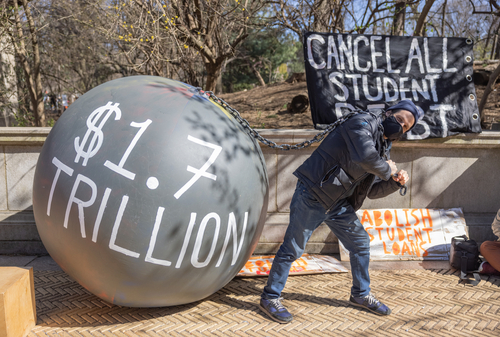
Student loan balances in the United States total over a trillion dollars, affecting tens of millions of borrowers. Many middle-class adults are still paying off loans well into their 30s, 40s, or beyond. Monthly payments reduce the amount available for saving, investing, or buying a home. Interest accrual can stretch repayment timelines even further.
It’s not just young adults who feel this pressure. Some parents have taken on loans to help their children attend college, adding to their own debt load. That can delay retirement or increase reliance on credit. The weight of education debt often spans generations.
6. Inflation Has Raised Everyday Expenses

Recent inflation has touched nearly every category of spending. Grocery prices rose significantly in 2022 and remained elevated afterward. Gasoline prices have also fluctuated sharply, affecting commuting costs and household budgets. Even small increases across multiple categories add up quickly.
When essentials cost more, discretionary spending shrinks. Families may cut back on dining out, vacations, or extracurricular activities. That can feel like a loss of lifestyle, even if income hasn’t technically fallen. The cumulative effect is a persistent sense of financial tightness.
7. Retirement Feels Increasingly Uncertain

Traditional pensions have largely disappeared from the private sector. Many workers now rely on 401(k) plans, which shift the responsibility and risk of investing onto individuals. Market volatility can significantly impact retirement account balances. That unpredictability makes long-term planning stressful.
At the same time, people are living longer, which means retirement savings must last longer. Healthcare costs in retirement can be substantial. Social Security replaces only a portion of pre-retirement income for most people. As a result, many middle-class workers worry they won’t have enough.
8. Credit Card Debt Is Rising

As costs rise and savings lag, more households turn to credit cards to bridge gaps. Credit card balances in the United States have reached record levels in recent years. Interest rates on those cards have also climbed, often exceeding 20 percent. Carrying a balance can quickly snowball into long-term debt.
This kind of debt is especially stressful because it compounds quickly. Minimum payments barely dent the principal when rates are high. What starts as a short-term solution can become a lasting burden. That cycle makes it harder to build real financial stability.
9. Taxes and Withholding Feel Complex and Opaque

Many middle-class workers see substantial portions of their paychecks go to federal, state, and payroll taxes. Payroll taxes fund Social Security and Medicare, and income taxes vary by bracket and state. The system can feel complicated, especially with credits, deductions, and changing rules. It’s not always clear how much relief families truly receive.
That complexity can create frustration and confusion. Some households receive refunds and view them as forced savings, while others owe money unexpectedly. Either scenario can disrupt budgeting. When take-home pay feels unpredictable, financial planning becomes more difficult.
10. Emergency Savings Are Often Thin

Financial planners commonly recommend keeping three to six months’ worth of expenses in an emergency fund. In reality, many Americans have far less set aside. Surveys have repeatedly shown that a significant share of adults would struggle to cover a large unexpected expense. That includes car repairs, home repairs, or medical bills.
Without a cushion, even a minor setback can trigger debt. A job loss or reduction in hours can quickly become a crisis. That constant proximity to financial instability creates stress. It’s hard to feel secure when one surprise expense could tip the balance.
11. Lifestyle Expectations Haven’t Gone Away

The middle-class identity often comes with certain expectations. Homeownership, reliable transportation, family vacations, and college for kids are seen as normal goals. Social media can amplify those expectations by showcasing curated versions of others’ lives. Even modest upgrades can feel necessary to “keep up.”
When incomes don’t comfortably support those milestones, people feel squeezed. They may feel they’ve done everything right—earned degrees, worked full-time, budgeted carefully—and still struggle. That mismatch between expectations and reality fuels frustration. It’s not just about numbers; it’s about a sense of falling short of the American promise.
This post Why Middle-Class Americans Feel Financially Cornered was first published on American Charm.

