
1. Empty Main Street Storefronts

Walk down the main street of many small towns and you might notice more vacant storefronts than open shops. Once-thriving local businesses—like diners, hardware stores, and boutique shops—have shut their doors, often replaced by “For Lease” signs. These empty spaces aren’t just eyesores; they signal a shrinking customer base and waning local economy. The rhythm of daily life changes when there’s nowhere for neighbors to casually bump into each other.
The decline of local commerce can be subtle at first. A closed family-owned grocery store may be replaced by a chain farther away, forcing residents to drive longer for basics. Local employment suffers, as small towns often rely heavily on these businesses for jobs. Even if the town isn’t abandoned, the empty buildings quietly show a story of economic stress.
2. Schools Consolidating or Closing
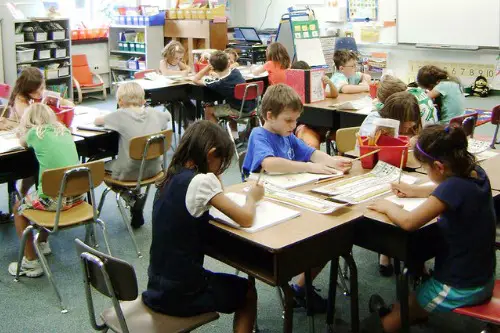
When a town’s school merges with a neighboring district or shuts down entirely, it’s more than an inconvenience—it’s a loss of community identity. Sports teams, school plays, and other youth activities move elsewhere, leaving students commuting longer distances. Parents and teachers often notice the decline in participation and engagement as a result. The school may physically remain, but its role as the community hub diminishes.
Declining enrollment is usually the culprit, driven by fewer young families or families moving away for work. This change also affects property values; families may hesitate to move to a town without a strong local school. The emotional impact lingers, too, as generations who attended the same school see it disappear. It’s a quiet but telling sign that the town’s population isn’t just stagnant—it’s shrinking.
3. Fewer Local Services
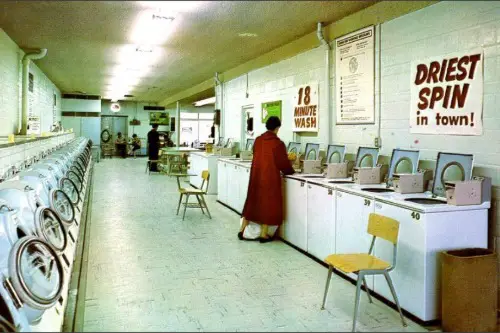
From laundromats to hardware stores to small clinics, small towns often struggle to maintain essential services. When residents have to drive 20–30 minutes to access medical care or banking, it shows that the town can no longer support these businesses. Each closed service chips away at convenience and community cohesion. Even subtle losses, like fewer grocery options, indicate economic stress.
This decline usually happens gradually. A pharmacy closing after decades may be replaced by a regional chain farther away, making access less personal. Local residents who relied on neighbors for assistance now face logistical challenges. Over time, this inconvenience can influence decisions about staying in or moving out of the town.
4. Roads and Infrastructure Showing Wear

Potholes, cracked sidewalks, and aging streetlights aren’t just aesthetic—they reveal budget constraints and shifting priorities. Small towns often lack the tax base to maintain infrastructure consistently. Roads that were once safe and walkable may become hazards, subtly discouraging visitors. The decay is a quiet marker of decline because it affects residents daily.
Infrastructural decline also impacts local businesses and property values. Delivery trucks might avoid poorly maintained streets, and homebuyers notice streets that haven’t been repaved in years. The town may still function, but the visible wear communicates that upkeep has become a luxury. This can compound economic challenges, creating a slow feedback loop of decline.
5. Less Frequent Local Events
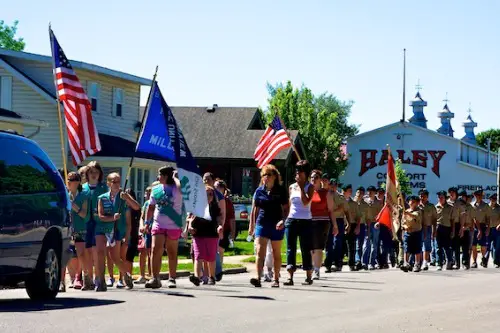
County fairs, parades, and seasonal festivals often shrink or vanish over time. These events historically brought towns together and attracted visitors from nearby areas. When they disappear, it signals declining volunteer support, sponsorships, or local interest. Residents may notice fewer opportunities to gather, socialize, or celebrate local traditions.
The ripple effect reaches beyond culture. Vendors, performers, and local businesses lose a source of income tied to these events. The town feels quieter, almost as if energy has drained from its streets. Over time, the absence of celebrations subtly communicates that the town is no longer a regional draw.
6. Abandoned Homes and Overgrown Yards
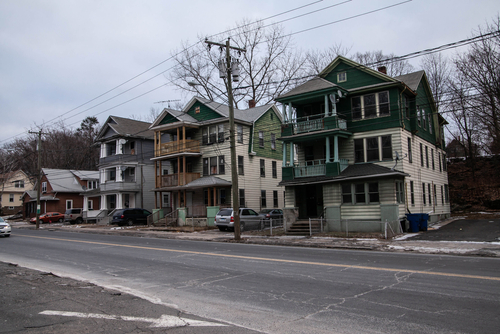
A few empty houses with unkempt lawns can speak volumes about a town’s trajectory. Families leaving for jobs elsewhere leave properties vacant, sometimes for years. Overgrown yards, broken fences, and fading paint are visual signs of declining investment. These homes aren’t ghost towns, but they show that life in the town is slowing down.
The human side of this trend is poignant. Neighbors notice fewer kids playing outside and fewer people maintaining their properties. Real estate stagnates, as demand drops and prices remain low. It’s a subtle, everyday sign of decline that quietly impacts the town’s appearance and morale.
7. Limited Dining Options
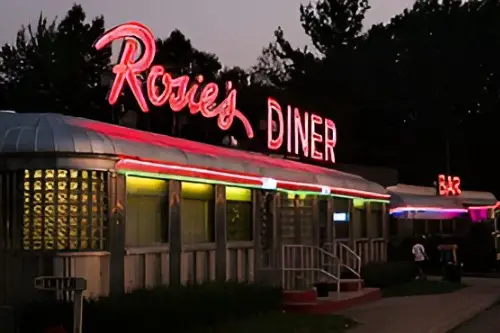
Once, a town might have had several family-owned diners, bakeries, or cafes. Now, it’s common to find just one or two surviving spots, often struggling to stay open. Residents might joke about the “all-you-can-eat pizza place” or the single gas station café. This lack of variety reflects both a shrinking customer base and challenges for entrepreneurship.
Fewer dining options also influence social life. Families and friends have fewer places to gather, and visitors are less likely to linger. The loss of casual meeting spots can slowly erode the sense of community. Food is often central to culture, so limited choices signal a subtle decline in lifestyle vibrancy.
8. Reduced Public Transportation or Bus Service

Some small towns used to have buses or shuttles connecting residents to neighboring cities. Over time, reduced ridership or funding cuts mean fewer routes or schedules. Seniors, students, and workers without cars feel the impact most acutely. The town may still function, but limited mobility subtly isolates residents.
Transportation decline also affects the economy. Without reliable options, people are less likely to commute for work locally or visit town businesses. New residents may avoid moving in, and the town’s attractiveness to young families diminishes. Small reductions in connectivity quietly reinforce broader patterns of decline.
9. Declining Church Attendance or Closed Congregations

Churches often anchor small-town life, offering both spiritual guidance and social activities. When congregations shrink, it may lead to mergers or closures, leaving fewer opportunities for community gatherings. The pews may empty slowly, but the absence of familiar faces at Sunday services signals demographic shifts. Religion here becomes a marker of population and participation changes.
Church decline also affects charitable and volunteer networks. Food drives, youth programs, and local support initiatives may fade. Residents notice fewer organized community efforts, and the town’s social fabric weakens. While subtle, the shrinking role of religious institutions reflects broader trends in population and engagement.
10. Fewer Young Families

If playgrounds are mostly empty and schools are consolidating, it’s often because younger families have moved away. Small towns struggle to retain talent when there are limited job opportunities, entertainment options, or career paths. The demographic shift may not be dramatic at first, but over years, it becomes visible in the town’s energy and activity. Fewer kids mean quieter streets and reduced long-term growth.
This demographic trend also impacts local economics. New homeowners aren’t buying property, businesses face shrinking customer bases, and long-term planning becomes more challenging. The subtle visual cues—empty swings, silent basketball courts—reflect a broader pattern of decline. Towns may still be home to devoted residents, but the pipeline of growth has slowed.
11. Declining Newspaper or Local Media Presence

Small-town newspapers and radio stations were once the lifeblood of local information. When publications shrink to online-only formats, reduce pages, or disappear entirely, residents lose a key connection to local happenings. Coverage of town meetings, sports, or social events diminishes. Without this lens, the sense of community gradually fades.
The loss of media also affects civic engagement. Residents are less aware of local politics, business openings, or public issues. Local stories that used to reinforce pride and identity vanish. This quiet erosion of information may seem minor day-to-day, but it subtly underscores a town in decline.
This post The Subtle Ways Small Towns Show Their Decline was first published on American Charm.

