
1. Gander Mountain (where still operating under new ownership)
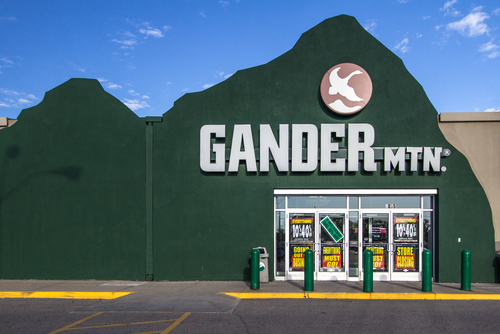
Gander Mountain collapsed and revived in spots as Gander Outdoors or similar, but where the old name lingers, loyal outdoor enthusiasts return out of habit. Hunters and fishers grew up with the brand and keep going back because they trust it, even if better online gear exists. The familiarity of aisle layouts and staff makes purchase decisions easier. Habit beats browsing e-catalogs for a lot of them.
Even with modern competitors, this residual loyalty keeps doors open. People don’t bother switching to REI or Cabela’s because it’s just farther or less convenient. Plus, there’s a sense of supporting a brand that raised you. That emotional inertia counts.
2. Sears
For decades, Sears was the department store king of America, selling everything from tools to appliances to clothing. Now, it’s become a shell of its former self with only a handful of locations left, but some customers still show up because “that’s where we always shopped.” Families with old habits — and old credit cards — keep the lights on in a few stores. It’s less about love for the brand and more about routine.
People stay because they’re used to finding a wide variety under one roof, even if much of the inventory is lackluster. Switching to more specialized stores means more stops, which feels like a hassle. Plus, Sears still offers services like appliance repair and warranties that longtime customers rely on. Changing habits feels harder than just swinging by on the way home.
3. Big Lots
Big Lots is the dollar-store-meets-closeout-warehouse that many Americans stumble into accidentally. You go in for a chair cushion and somehow come out with a blender and random Halloween decorations. Folks shop there because it’s “cheap enough” and you never know what you’ll find, even if the quality can be inconsistent. Loyal customers stick with it simply because alternative discount stores require membership cards or longer travel.
People don’t always love Big Lots, but they tolerate it because it’s familiar and convenient. Switching to dollar stores can feel like a downgrade, and switching to big box stores often means spending more money. So Big Lots gets business from folks who just want something good enough right now. That’s enough to keep some stores open town after town.
4. JCPenney
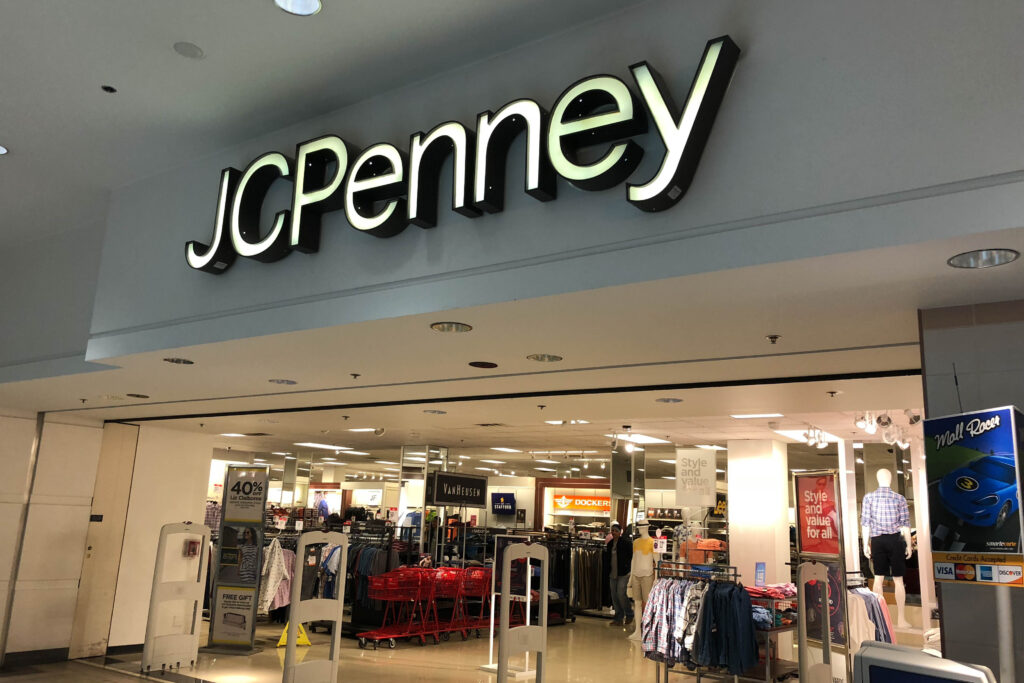
JCPenney survives on familiarity: generations of families have bought school clothes, home linens, and occasional prom dresses there. It’s not exactly trendy, but people often don’t bother to re-evaluate their options because “it’s been fine forever.” Seniors in particular still flock to JCPenney for easy-to-wear clothing and straightforward pricing. It’s the store your mom trusts, and that counts for something.
Switching to specialty fashion retailers feels overwhelming for many shoppers who don’t follow trends. They like the predictability of sales, the familiar layout, and the fact that staff know what they mean by “classic style.” Even mediocre customer experiences become tolerable when they’re familiar. So familiarity becomes loyalty by default.
5. Payless ShoeSource (where stores remain)
Payless was once everywhere, and though most locations have closed, a few persist because locals still go out of habit. People keep stopping in for cheap shoes because it’s what they’ve always done — even though better options exist online or at other chains. It’s the retail equivalent of grabbing a burger at the same roadside diner every trip. Familiarity wins.
Many customers know exactly where to find their size and style without thinking about it. Switching to other budget shoe retailers means learning new brands or sizes, which feels annoying. Some shoppers even cling to the few remaining Payless locations because it feels right. That inertia helps those few stores hang on.
6. Office Depot (in smaller towns)
Office Depot still operates in many smaller towns where big competitors aren’t just around the corner. People shop there because the alternative is a much longer drive or ordering online and waiting. It’s not that Office Depot has stellar prices — it’s that it’s there when you need printer ink right now. Habit and convenience keep locals showing up.
Employees often know regular customers by name and order preferences, which reinforces that loyalty loop. Even if the website has better deals, people skip comparing prices because they don’t want the hassle. It’s comforting to walk into the same store you’ve always used for school supplies. And comfort beats price for a lot of folks.
7. Mattress Firm
Mattress Firm seems to exist on every corner, even in places where the market feels saturated. People end up shopping there because when your mattress is uncomfortable at 2 a.m., you want a solution today, not something that arrives next week. The very real need for a mattress right away pushes customers in. Once you’ve bought from them, you’re likely to come back because the return process feels familiar.
Critics complain about high prices, but shoppers tolerate them because mattress buying already feels stressful. Switching to online mattress brands means guessing comfort and dealing with returns. So people stick with Mattress Firm — not out of love, but out of “good enough right now.”
8. Bed Bath & Beyond (remaining stores and online survivors)
Bed Bath & Beyond still has a presence despite widespread closures because some folks are convinced they’ll find exactly what they need for a wedding registry or guest bedroom. The brand used to be the first stop for home goods, and that legacy hasn’t completely faded. In some areas, people don’t bother exploring alternatives because this is just what you do. Habit powers continued foot traffic.
Even when coupons are the only exciting thing about the store, customers chase them religiously. They feel like they’re saving money even if the base price is higher. Switching to Target or Amazon means losing that ritual of clipping coupons. And for many, rituals matter.
9. Barnes & Noble
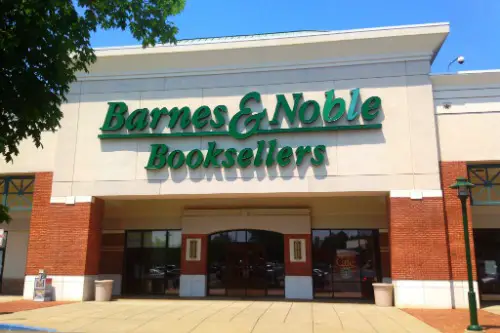
Barnes & Noble still lingers in many towns as the bookstore, even though Amazon and e‑readers have eroded its business. People wander in because they like leafing through actual books and magazines, and it feels familiar — like visiting an old friend’s living room. Even with spotty inventory and prices that aren’t always competitive, the experience of browsing physical shelves keeps some customers loyal. For many, it’s less about value and more about comfort and ritual.
Readers don’t always bother switching to indie bookstores or online options because that means changing routines. They already know where the bestsellers and gift books are in their local store, and staff recommendations feel personal even if they’re not always perfect. There’s also the occasional coffee shop inside, which turns a quick stop into a mini‑outing. That familiarity — not fierce preference — is what keeps these stores ticking.
10. Dollar Tree (in areas without other dollar stores)
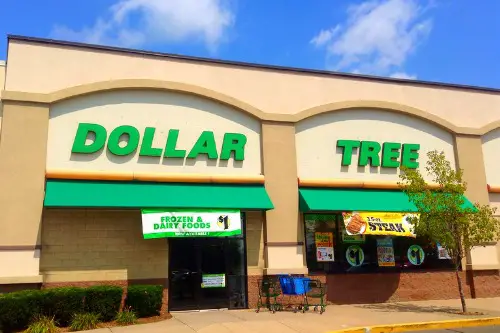
Dollar Tree isn’t failing, but in some smaller towns it survives almost unchallenged simply because there’s nothing else nearby. People go in because they know they’ll get something cheap, even if quality varies wildly. It’s not love, it’s low expectations and locality. When the nearest alternative is far away, why switch?
Shoppers don’t even compare prices — they assume dollar store prices are the lowest. They come in for basics like batteries or snacks because it’s quick. Switching to larger grocery stores feels like more effort for marginal savings. So proximity and habit keep these Dollar Tree shops alive.
11. RadioShack
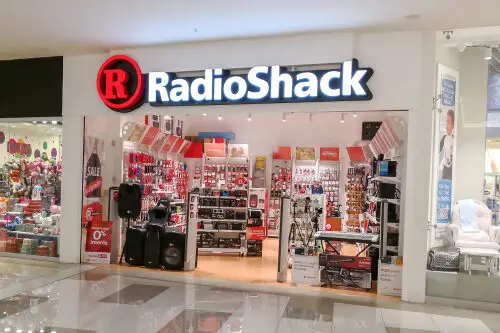
Many people remember RadioShack from childhood — a place where you could buy random electronics parts or that universal remote you never figured out. These days, it barely has a footprint, but a core group of loyal tinkerers still shops there because it used to be the go-to for hobby electronics. New customers rarely sign up, but nostalgia and inertia keep some stores limping along. It’s the sort of place where the staff knows your name because you’ve been going there since the ’90s.
Shoppers often stay because switching to online stores isn’t worth the effort for tiny bits and pieces. When you need a specific connector five minutes before closing, RadioShack is the fallback. People grumble about limited stock, but they also hate going to big-box stores for simple parts. So they stick with RadioShack because convenience beats choice.
12. Kmart
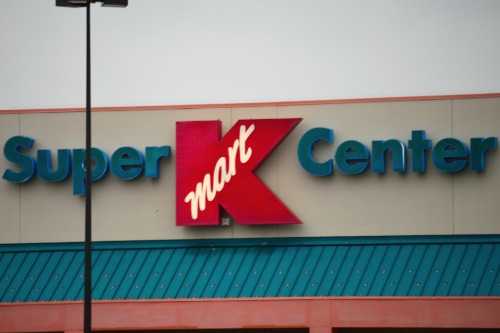
Kmart used to be everywhere; now it’s almost nowhere, but in those last few stores, people still show up because it’s the one big store in town. Locals think, well, this is the place, so let’s see what they have. The inventory is often thin, but that doesn’t stop habitual shoppers. For folks who never saw the point of flying to Walmart or Target, sticking with Kmart is just normal.
Price comparisons hardly happen because the store feels like part of life’s background. Switching to something “bigger and better” requires effort many don’t want to expend. Even mediocre experiences become acceptable when they’re familiar. And that’s why a few Kmart signs still hang on.
This post American Stores That Survive Purely Because People Don’t Bother to Switch was first published on American Charm.

