
1. Marfa, Texas
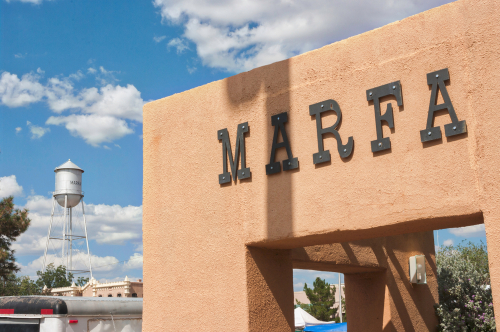
Marfa is the sort of place where time feels elastic, and that can be thrilling until it isn’t. Once a boomtown, its population now hovers around just over 1,800 people, and there’s a real sense that the world moves slower here than anywhere else you’ve visited. You’ll find yourself waiting longer for a table at the café not because it’s crowded, but because that’s just the rhythm of life. The art scene and minimalist installations are famous, but the quiet between events can be disorientingly deep.
For creatives and introverts, Marfa’s slow pace can feel freeing, almost meditative. But for someone used to the constant hum of city life, the stretches of silence and few after-dark options can start to feel eerie. There’s a beauty to wide desert skies and long, empty roads, but they also accentuate how alone you can feel. In Marfa, you either learn to sit with that stillness or you start watching the clock a lot more than you thought you would.
2. Traverse City, Michigan
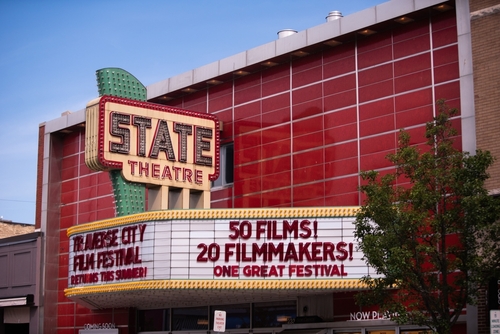
Traverse City has all the charm of its cherry blossoms and Lake Michigan shoreline, but in the off-season, it slows to a crawl. In summer, tourists flood the streets, but come late fall and winter, the downtown thins out and many local businesses close for months. The population is only around 15,000, and the dramatic seasonal shifts make the quiet months feel like you’ve stepped into a pause button. Locals brace for this yearly ebb and flow with patience, but newcomers often find it unsettling.
You might love the idea of wandering near sandy beaches without crowds, but the tangible drop in activity can be startling. When your favorite bakery shutters in January, you’ll realize just how much the town’s energy depends on warmer months. For some, that gives space to breathe and reflect. For others, it creates a feeling that the whole town holds its breath until spring returns.
3. Bisbee, Arizona
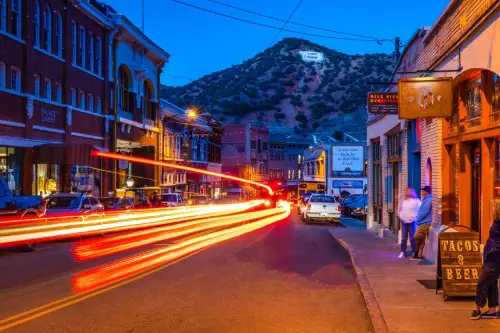
Perched in the Mule Mountains, Bisbee’s steep hills and historic buildings are picturesque but also isolating. Once a copper-mining hub, its current population sits around 5,000, and its winding streets put you more in a mood than on a schedule. There’s a thriving arts community that gives the town character, but the pace of life here is almost measured in heartbeats, not hours. Restaurants and galleries often open on whims rather than on strict timetables.
If you’re craving constant activity, Bisbee will test your patience. People here embrace late mornings and early evenings with equal enthusiasm, and mezcal tastings, art walks, and quirky events are casual affairs. The lack of urgency feels luxurious at first. After a week, though, you might start craving the predictability of rush hour somewhere else.
4. Saranac Lake, New York
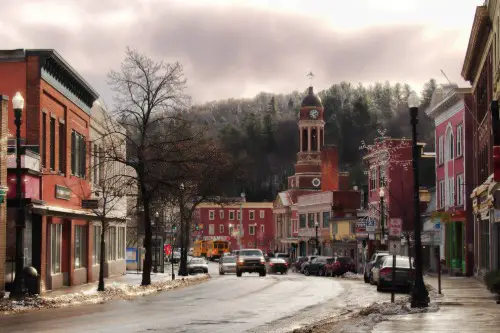
Saranac Lake is a wooded gem in the Adirondacks where the seasons define the town’s energy. With a population under 6,000, winter means snow-covered streets and plenty of quiet, punctuated only by the swoosh of cross-country skis. Summers bring hikers and paddlers, but come shoulder seasons, the whole place can feel like it’s in hibernation. Locals joke about “real life” starting in June, but for newcomers that can feel like waiting for a festival that never comes.
The town’s rich history as a health retreat and its many Adirondack Great Camps give it a timeless quality. You’ll find cafés that seem to operate on seasonal spirits and community events that depend on volunteer energy. That makes for warm, intimate moments—but also long pauses between them. If you’re someone who delights in unhurried days, Saranac Lake can be a dream, but if silence feels like stagnation, you might feel adrift.
5. Eureka Springs, Arkansas
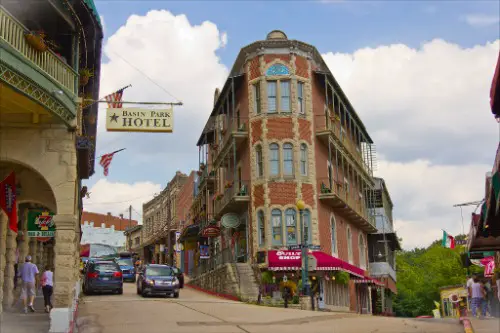
Eureka Springs’ Victorian architecture and winding hills make it feel like a storybook place stuck between yesterday and today. The town has around 2,000 residents, but its charm brings tourists who dissipate in the quieter months. Halloween and springtime see bursts of excitement, but for much of the year, the streets feel hushed. Shops may be open on unpredictable schedules that make you question your sense of time.
Locals treasure the slower pace and claim it allows for deeper connections and calmer living. They’re not wrong—it’s easy to slow down when every day feels like a Sunday. But for visitors accustomed to back‑to‑back plans and buzzing nightlife, the lull can be unsettling. After a day or two, the tranquility starts to press in, making you wonder where everyone went.
6. Truckee, California
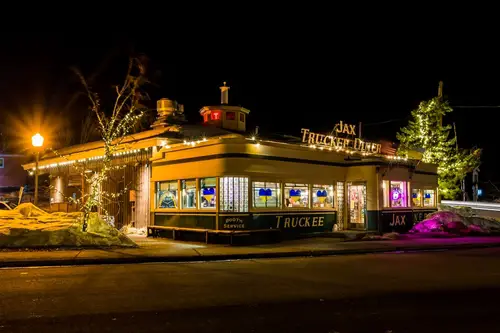
Truckee sits near Lake Tahoe, where snow dominates half the year and tourism dictates the pace. With a population around 17,000, it swells in ski season and quiets dramatically once the snow melts. In summer, hikers and bikers fill trails, but even then there’s a distinct lack of hurry. Coffee shops and breweries are social hubs, but on quieter days, you’ll notice how often locals simply sit and watch the mountains.
The town’s railroad history and Old West vibes add to the slow‑rolling rhythm of life. It’s an idyllic scene for those who appreciate nature and downshifts. But the contrast between high season buzz and off‑season calm can feel jarring. If you’re someone who thrives on consistency rather than cycles, Truckee’s rhythms might unsettle you more than soothe you.
7. St. Augustine, Florida
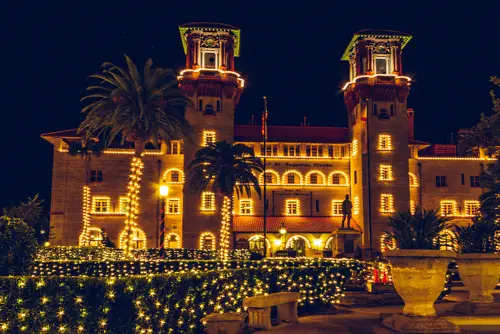
St. Augustine is America’s oldest city, but its small‑town feel isn’t always what visitors expect. With about 15,000 residents in the historic core, the pace here depends heavily on tourism. Off‑peak months bring relaxed strolls along cobblestone streets and time to savor old forts and Spanish moss–draped oaks. Yet that same unhurried feeling can leave you yearning for more dynamic energy, especially after sunset.
There’s beauty in lingering at cafés and taking late afternoon beach walks. Locals are friendly, and the history beckons you to slow down and absorb every detail. But with fewer late‑night spots and cultural events outside peak season, evenings can feel surprisingly quiet. For some, this gentle tempo feels like a blessing; for others, it’s a reminder of how far removed they are from the pulse of a bustling city.
8. Hood River, Oregon
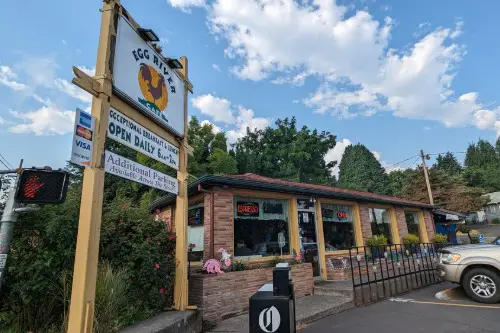
Hood River sits along the Columbia River Gorge with breathtaking views and a tiny population of about 7,800 people. Outdoor adventures like windsurfing, kiteboarding, and hiking keep the pace active on sunny days. But when the wind drops or the rains return, the town’s tempo softens dramatically. Shops close earlier, and locals retreat into cozy corners, making the evening hours stretch like elastic.
Wine tasting and farm‑to‑table dinners offer cultural richness, but they happen in small doses. Residents talk about seasons like they’re chapters, and each comes with its own rhythm and collective mood. If you thrive on variety and late nights, Hood River’s quiet evenings might feel too still. In return, though, you get skies that scream with stars and mornings that start with peace rather than panic.
9. Beaufort, North Carolina
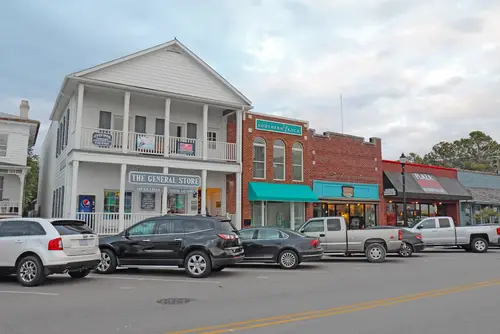
Beaufort is a coastal town of about 4,000 people with a historic waterfront and sprawling marshes. The allure here is undoubted, yet like many seaside towns, life ebbs and flows with the tides. Summers bring boat tours and seafood festivals, but once Labor Day passes, the pace retracts. Locals joke that quiet season starts early and that the best years are measured in months of calm.
That calm is part of Beaufort’s character—gentle, unhurried, and richly connected to nature. Early mornings here feel sacred, with pelicans skimming mirrored waters. But if you’re used to late night options or frequent social events, you’ll notice the town’s collective pause after sunset. The slower rhythm gives space to breathe, but it also forces you to confront how much energy you actually want around you.
10. Galena, Illinois
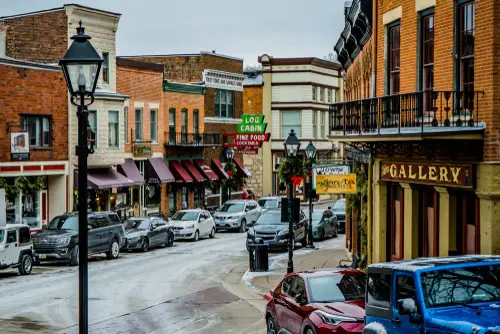
Galena’s picturesque Main Street and 19th‑century charm draw tourists, but with roughly 3,000 residents, everyday life has its own slow cadence. The town thrives on historic preservation and seasonal festivals, yet between those bursts of activity, you’ll find long stretches of calm. Shops often have shorter hours outside holiday weekends, and leisurely lunches can turn into afternoon rests without warning. There’s a rhythm here that’s less about rush and more about savoring.
Local wineries, antique shops, and bed‑and‑breakfasts invite you to slow down with purpose. While many visitors plan busy weekends full of tastings and tours, life for residents often feels like a series of relaxed mornings and quiet evenings. For some, that’s the ideal pace—unrushed, unpressured, and deeply comforting. Others might find the lull unsettling, especially when plans end early and the streets go quiet long before dusk.
11. Taos, New Mexico
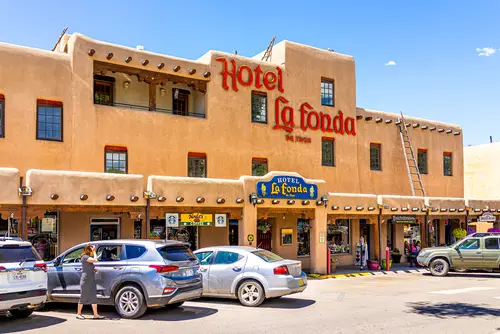
Taos’ desert skies and artistic heritage make it feel like a world apart. With a population under 6,000, time here seems guided by sunshine and shadow rather than clocks. Art galleries and adobe structures line the plaza, and you can wander between them without feeling watched by obligations. The town’s spiritual and creative leanings encourage reflection more than motion.
The slower tempo suits painters, writers, and seekers who cherish introspection. You could spend hours just perched on a bench, observing the Sangre de Cristo Mountains change color with the light. But if you’re someone who equates travel with constant discovery and activity, Taos might feel too placid at times. That stillness gives space for inner dialogue, which can be unsettling if you’re not used to listening.
12. Bar Harbor, Maine
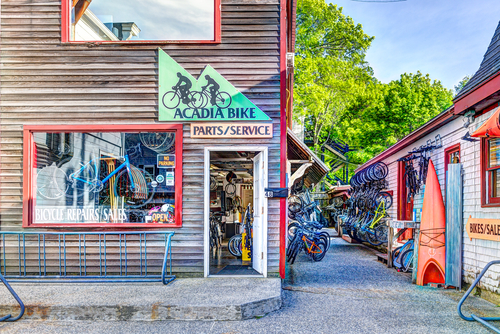
Bar Harbor’s gateway to Acadia National Park brings natural grandeur and a population that swells in summer then retreats to about 2,500 locals in winter. Peak season buzz masks the town’s underlying slow pace, but once fall arrives, the streets quiet down remarkably. In winter, many businesses close or shorten their hours, creating long, hushed evenings that stretch on. The coastal breeze and ocean views soothe, yet the emptiness can feel like a vacuum if you expect nightlife.
Locals speak of “off‑season peace” with reverence, enjoying solitude and brisk walks. You’ll find yourself having entire sections of shore to yourself, which is magical in its own way. Still, that expansive quiet can feel eerily vast when you’re craving connection or stimulation. Bar Harbor teaches you to listen—first to the waves, and then to your own pulse.
13. Mystic, Connecticut
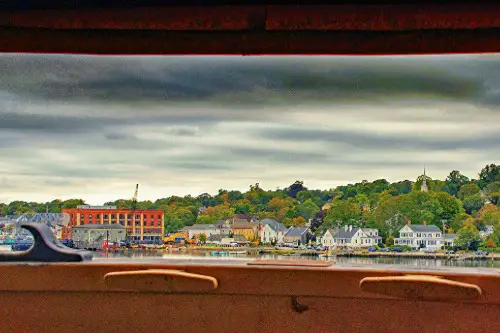
Mystic is a postcard town anchored by its seaport village and maritime history, with about 4,000 residents. The village bustles in summer with tourists exploring ship replicas and aquarium exhibits. But outside the peak months, the shops and cafés settle into slower rhythms that can feel unexpectedly still. The charm is undeniable, but so is the sense that time here moves at its own unhurried pace.
Walking along the Mystic River in late fall or early spring, you’ll notice how the breeze carries silence as much as sea salt. Locals enjoy neighborly chats and relaxed dinners, but those moments aren’t packed with urgency or late nights. If you thrive on the sociability of perpetual motion, you might find yourself yearning for more crowds. Mystic’s beauty invites reflection, and that reflection sometimes echoes a little too loudly in the quiet.
14. Hood, Virginia
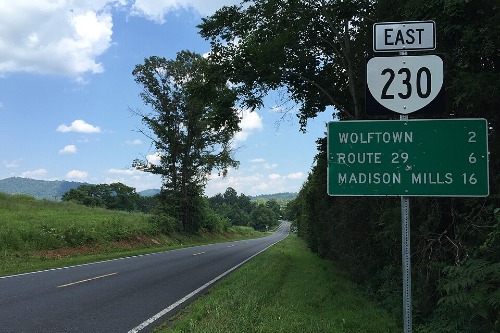
Hood, a tiny community in Northern Virginia near the Rapidan River, is so small that time seems anchored to nature rather than to schedules. With population figures that barely register in census brackets, it’s the kind of place where neighbors wave from fields rather than sidewalks. The nearest town center is a drive away, and that distance accentuates the pace of life here: slow, measured, and deeply tied to the land. There aren’t evening hotspots to keep you up late; instead, there’s the sound of crickets and the rustle of trees.
For lovers of solitude and wide‑open spaces, Hood feels like a balm. You’ll quickly learn that here, “rush hour” means watching a tractor cross the road. But if you’re used to regular social rhythm or cultural hubs within walking distance, the stillness can start to press in. Hood invites you to slow down, deeply—but it also makes you confront just how restless you might be.
This post Slower Living Feels Unsettling in These 14 American Small Towns was first published on American Charm.

