1. Raleigh, North Carolina

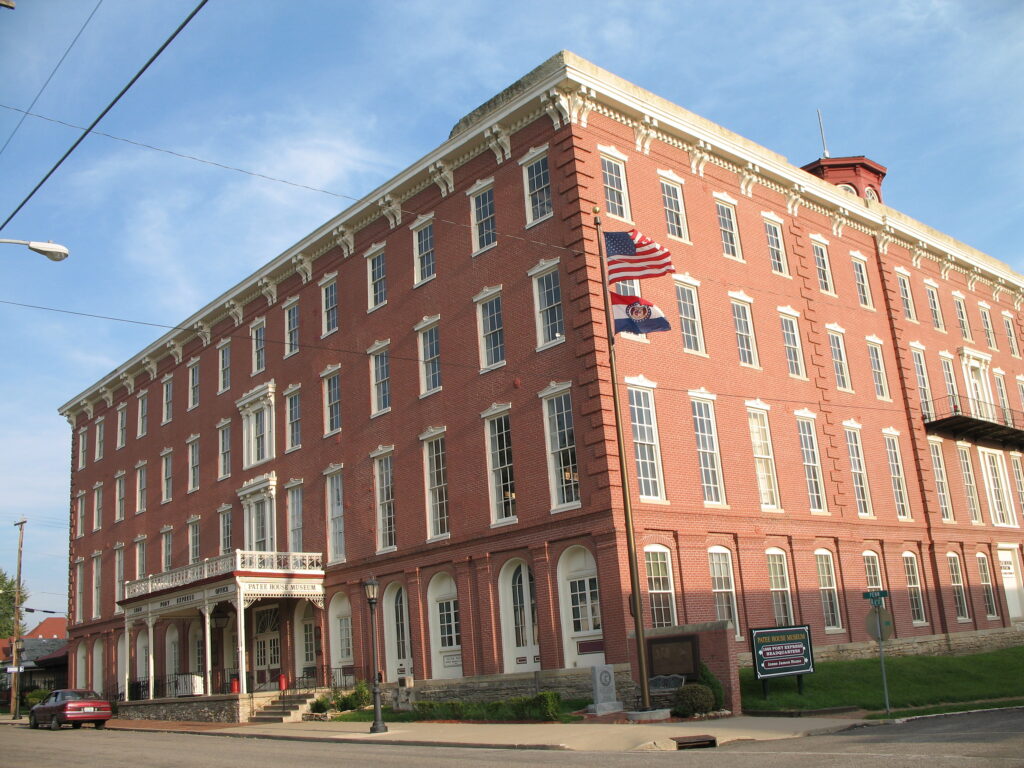
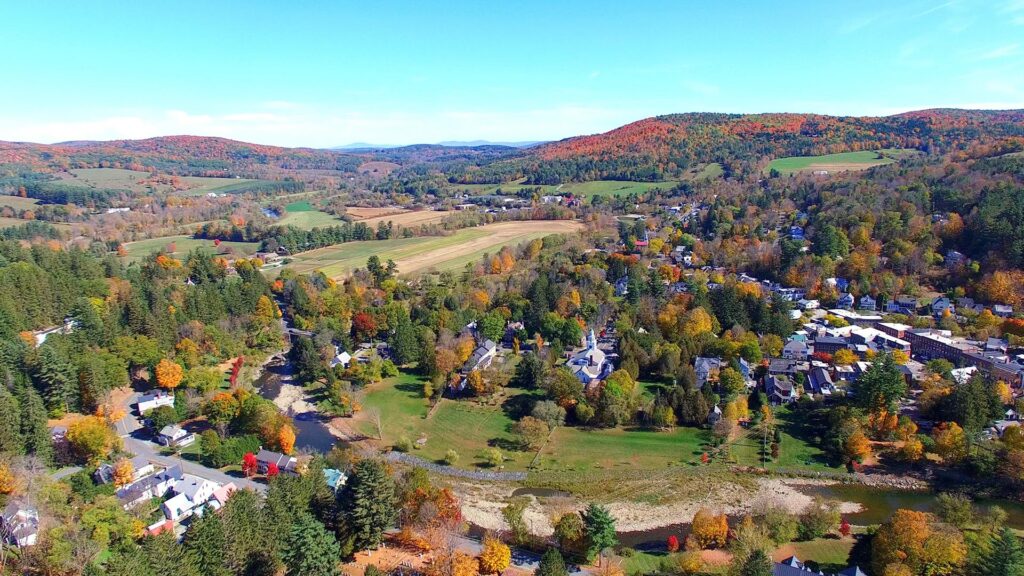
Raleigh offers a blend of city amenities with a slower pace of life. Retirees appreciate its universities, museums, and mild climate. Healthcare access is excellent, and cultural activities abound. The city also has a growing food scene and green spaces.
However, summer heat and humidity can feel oppressive for some. Rapid population growth has increased traffic and housing costs. Some find the city less “small-town” than expected. Reevaluation often happens when comfort and convenience clash with climate realities.
2. Sarasota, Florida
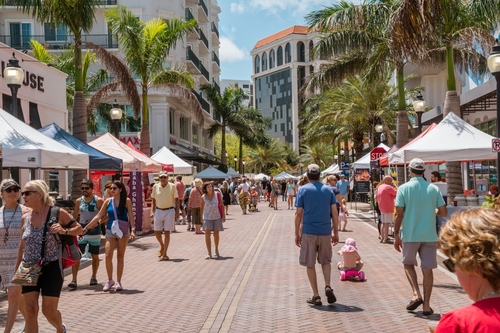
Sarasota often tops lists for retirement because of its beaches and cultural scene. Americans are drawn to its mild winters and the abundance of arts and theater options. The cost of living is higher than in some nearby Florida cities, but many retirees find the amenities worth it. Its reputation as a retirement haven has made it crowded in peak seasons.
However, some who move there quickly notice the summer humidity and hurricane risk. Traffic congestion near popular beaches can be frustrating. Healthcare options are solid but pricey, especially if you want top-tier specialists. People often reevaluate once the novelty of the coastline wears off.
3. Asheville, North Carolina
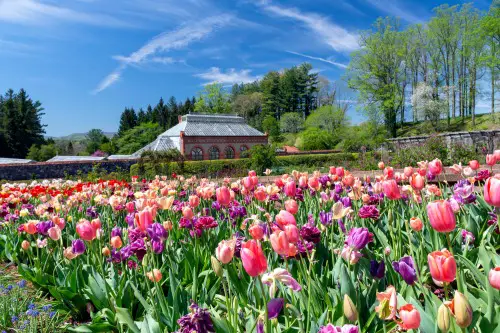
Asheville is known for its scenic Blue Ridge Mountains and thriving arts community. Retirees often love the mild climate and the small-town charm with big-city amenities nearby. There are plenty of hiking trails, breweries, and cultural festivals to keep life interesting. Real estate options range from historic homes to modern condos.
But the influx of retirees and remote workers has pushed home prices up. Winters are mild but still bring occasional snow, which can be a surprise. Traffic and crowded downtown areas can reduce the small-town appeal. People sometimes move again after realizing they prefer a quieter, more affordable mountain town.
4. Scottsdale, Arizona

Scottsdale offers sunny weather nearly year-round, golf courses, and a reputation for luxury living. The city is particularly attractive for those who enjoy active outdoor lifestyles and upscale amenities. Health care access is strong, and the area caters to retirees with planned communities. Many appreciate the desert scenery and art galleries.
Yet, summers can be unbearably hot, often exceeding 110°F. Some retirees miss the greenery and cooler climates they grew up with. Air conditioning costs can be high, and the dry climate may aggravate health conditions. After a few scorching summers, it’s common for residents to reassess their long-term comfort.
5. Portland, Oregon
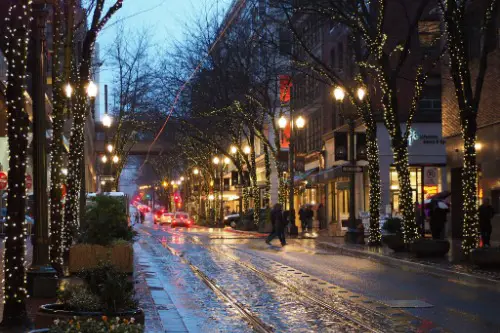
Portland appeals to retirees looking for a progressive city with strong food and cultural scenes. Its coffee shops, farmers markets, and parks make it feel lively without being overwhelming. The climate is moderate, with cool, wet winters and mild summers. It’s also a hub for outdoor activities, from hiking to cycling.
On the flip side, Portland’s rain can feel endless, particularly for those coming from sunnier states. Housing costs have risen sharply over the years, and property taxes are significant. Traffic and construction can make navigating the city a headache. Many retirees find that the charm of Portland fades when weighed against these practical challenges.
6. Naples, Florida
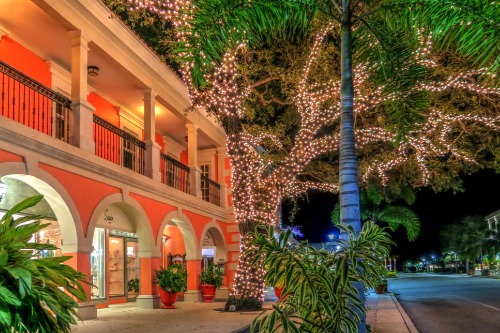
Naples is famous for its beaches, golf courses, and luxury lifestyle. It’s especially appealing for retirees seeking a quiet, upscale coastal community. There’s a strong network of social clubs and recreational options for older adults. Safety and healthcare are generally considered excellent.
However, the high cost of living can be a shock for some newcomers. Seasonal population surges can make it feel crowded. Hurricanes and summer humidity are ever-present concerns. This combination often leads retirees to reconsider the practicality of staying long-term.
7. Bozeman, Montana
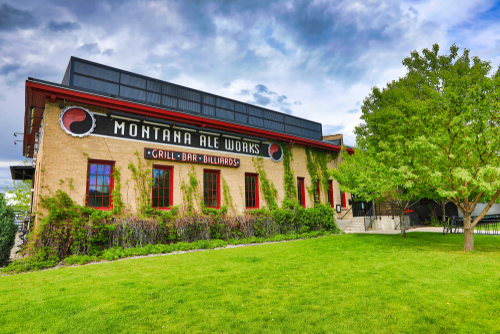
Bozeman attracts outdoorsy retirees with skiing, hiking, and fishing opportunities. Its small-town charm mixed with access to Yellowstone makes it a dream for nature lovers. The community is friendly, and there’s a slower pace of life. Real estate offers scenic properties, though many come at a premium.
Still, winters are long and harsh, with heavy snowfall that can be challenging. Some retirees underestimate the isolation and distance from major cities. Healthcare facilities are good but limited compared to urban areas. Many eventually seek a milder climate after experiencing a full Montana winter.
8. Charleston, South Carolina

Charleston combines historic charm with southern hospitality. Retirees enjoy its cobblestone streets, coastal views, and vibrant food scene. Beaches, golf, and boating make it ideal for active lifestyles. The city’s warm climate is appealing without the extreme heat of the deep south.
Yet, humidity and hurricanes are significant considerations. Property insurance and maintenance costs can be higher than expected. Tourist seasons bring crowds that affect daily life. Many find that the idyllic charm is best appreciated in short visits rather than permanent residency.
9. Bend, Oregon
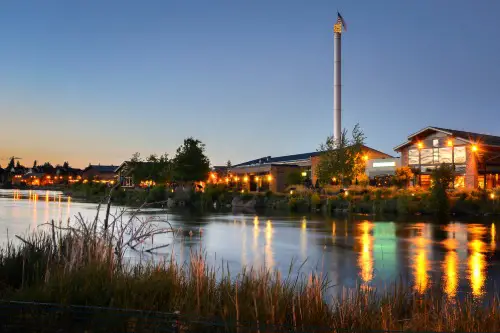
Bend is popular for retirees who love an active lifestyle in a picturesque mountain setting. Skiing, mountain biking, and river sports are everyday options. The community is small but dynamic, with craft breweries and local markets. Outdoor enthusiasts often feel at home immediately.
However, Bend is expensive, and housing inventory is limited. Winters bring snow and icy roads that some find challenging. Healthcare options are good but smaller than in major cities. The combination of cost and weather often causes a second look before committing long-term.
10. Palm Springs, California
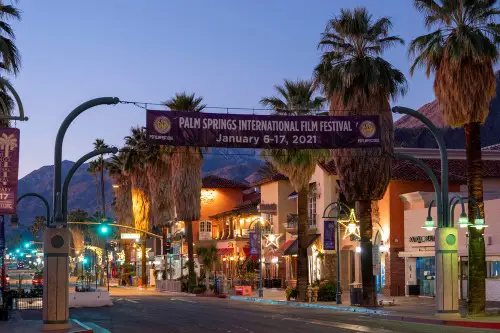
Palm Springs is synonymous with sunny days, golf resorts, and a relaxed desert lifestyle. Its mid-century modern architecture and cultural events appeal to many retirees. The city has strong healthcare facilities and numerous senior communities. Accessibility and amenities make daily life convenient.
On the downside, summer heat can reach extreme levels, often forcing retirees indoors. Water restrictions and desert dryness may be a surprise for some. Cost of living is high, especially for desirable neighborhoods. Many retirees find the lifestyle appealing but question whether it’s sustainable year-round.
11. Santa Fe, New Mexico
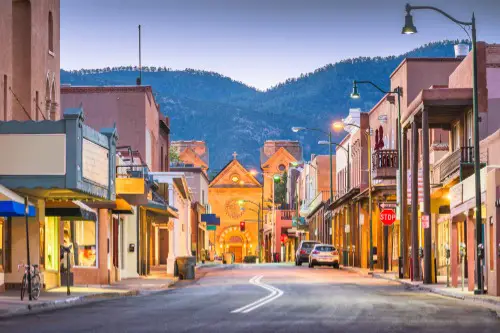
Santa Fe draws retirees with its arts scene, adobe architecture, and mild four-season climate. Hiking, galleries, and cultural festivals keep life engaging. The slower pace and strong community feel attract those looking for creativity and relaxation. Local cuisine is another consistent draw.
Still, winters can be colder than expected, and snowfall occurs regularly. Healthcare options exist but aren’t as extensive as in major cities. Housing costs for historic homes can be steep. Over time, some retirees realize the charm comes with trade-offs in practicality.
12. Austin, Texas
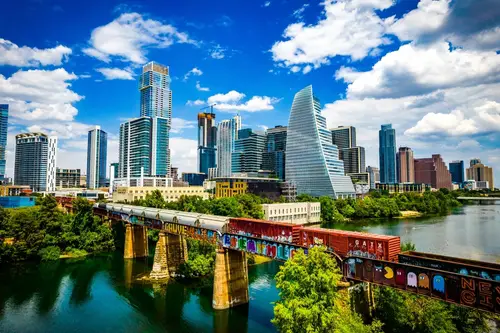
Austin attracts retirees with its vibrant music scene, outdoor activities, and no state income tax. The city offers plenty of restaurants, hiking trails, and live events that appeal to an active lifestyle. Housing can vary from affordable neighborhoods to expensive luxury options. Many older Americans find the tech culture and energy refreshing.
That said, the city’s rapid growth has created traffic nightmares. Summer temperatures soar above 100°F, which can be uncomfortable for some. Property taxes can also be higher than expected. These factors often lead newcomers to rethink whether urban Austin is ideal long-term.
13. Key West, Florida
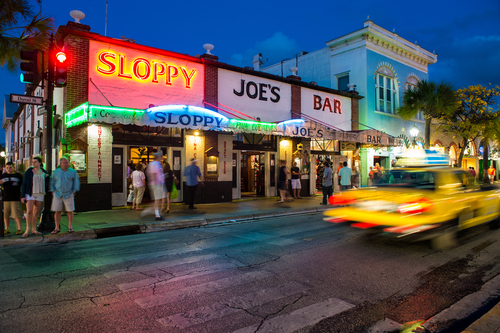
Key West promises island living, boating, and vibrant nightlife. Retirees love the laid-back vibe, tropical scenery, and active outdoor lifestyle. The sense of community is strong, and cultural events abound year-round. It feels like a permanent vacation for many newcomers.
Yet, the cost of living is very high, including groceries, housing, and utilities. Hurricanes and storm surge risks are ever-present. Limited healthcare facilities can pose challenges for older adults. Many people eventually weigh these factors against the paradise-like setting.
14. Denver, Colorado
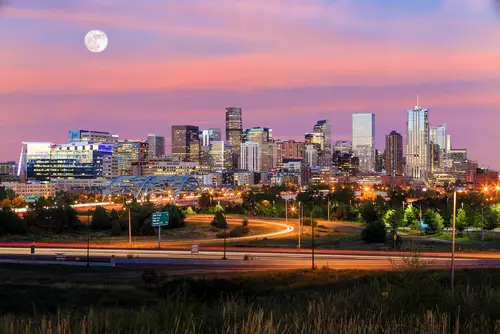
Denver appeals to retirees with its mix of city life and mountain access. Outdoor enthusiasts enjoy skiing, hiking, and biking, while the city itself has restaurants, museums, and entertainment. Healthcare facilities are robust, and the city has a younger, active vibe. Housing ranges from urban condos to suburban homes.
Still, the altitude can be tough on newcomers, and winters bring snow and cold temperatures. Traffic has worsened with population growth. Some retirees also find the cost of living higher than expected. These realities often prompt a reassessment of whether Denver fits long-term retirement goals.
This post 14 Places Americans Choose for Later Life—Then Reevaluate was first published on American Charm.