
1. Miami, Florida
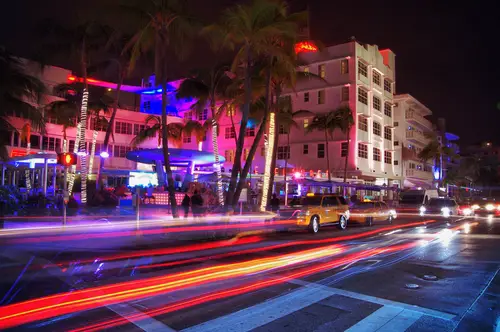
Miami is famous for its glamorous beaches, nightlife, and celebrity culture. The city’s reputation as a nonstop party destination often overshadows its more everyday realities. Many neighborhoods feel more like small towns than high-energy hotspots. Crime and traffic issues are real challenges that get overlooked by the glossy media image.
While South Beach and the art deco district get all the attention, most of Miami’s population deals with routine urban struggles. Housing costs are high, and not everyone is sipping cocktails oceanfront. Locals often joke that the Miami “dream life” exists mostly in Instagram posts. Visitors sometimes leave surprised by how much of the city is just, well, normal city life.
2. Las Vegas, Nevada
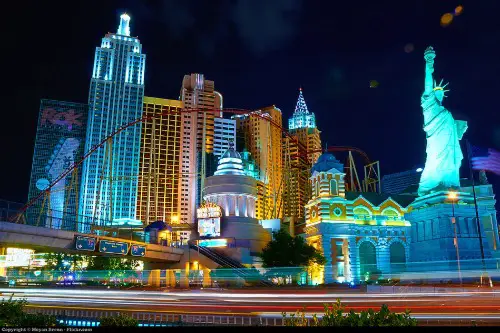
Las Vegas has a worldwide reputation as the ultimate adult playground. Casinos, shows, and wild nightlife dominate the city’s image. But most residents don’t spend their days hitting the Strip or attending extravagant performances. In fact, much of the city functions like any other mid-sized desert city with commuters, schools, and suburban streets.
Beyond the casinos, Las Vegas struggles with issues like water scarcity and high rates of poverty. Many neighborhoods are quiet, family-oriented communities that feel nothing like the party-filled Las Vegas of popular imagination. The “city that never sleeps” slogan is mostly aimed at tourists. Locals know the reality is a mix of ordinary city life and occasional glitz.
3. Los Angeles, California
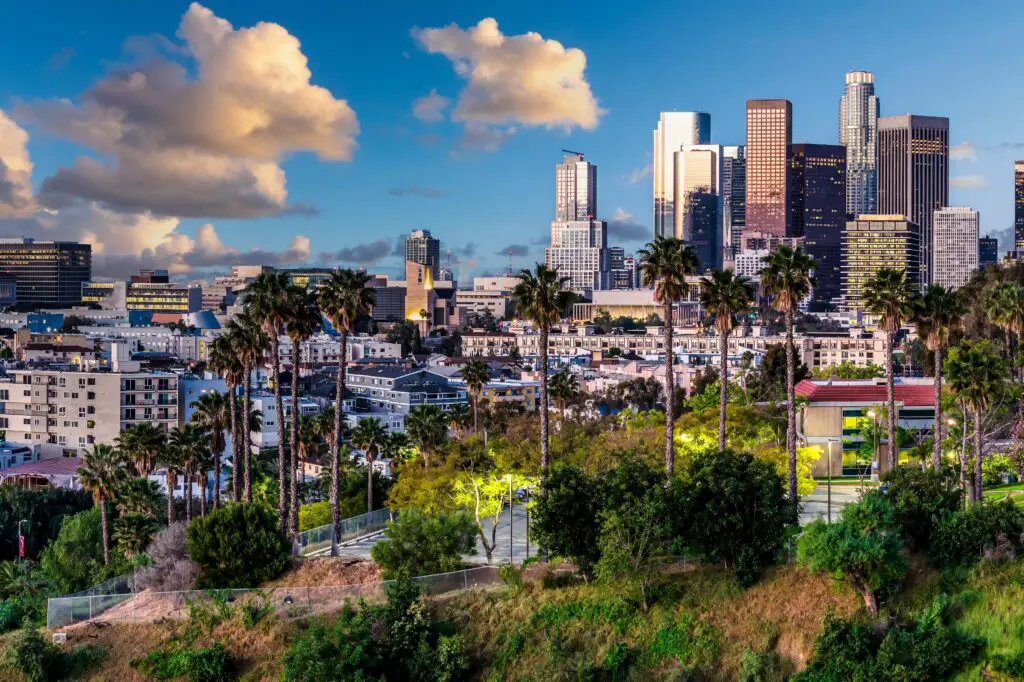
Hollywood gives Los Angeles a global reputation for glamour, fame, and endless sunshine. Everyone assumes LA is all movie stars and red carpets. In reality, traffic congestion is legendary, and public transportation is limited. The city also has a significant homeless population that gets less attention than celebrity stories.
Neighborhoods like Burbank or the San Fernando Valley are far removed from the Hollywood stereotype. Many residents spend hours commuting just to get to work. Housing costs and air pollution are serious everyday concerns for locals. The city’s beauty often masks the fact that it’s a sprawling metropolis with real-life problems.
4. New York City, New York
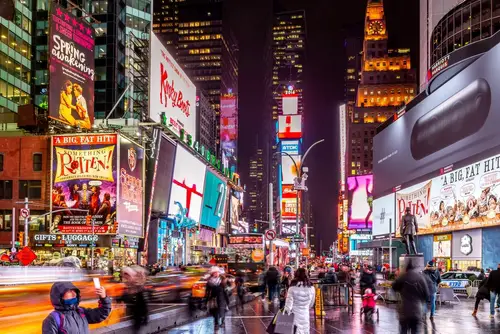
New York City is celebrated as the “city that never sleeps” and the cultural capital of the world. Tourists flock to Times Square, Broadway, and Wall Street, expecting nonstop energy. In reality, much of NYC is routine city life, with office workers, commuters, and quiet neighborhoods. Not every corner of Manhattan feels like a movie set.
Brooklyn and Queens offer vibrant communities that are far more relatable than the glitzy Manhattan stereotype. Housing and living costs are sky-high, and day-to-day life involves navigating crowded streets and public transit delays. Crime rates are uneven and concentrated in specific areas. Locals often joke that the real New York is found in diners and local bodegas, not Times Square.
5. San Francisco, California
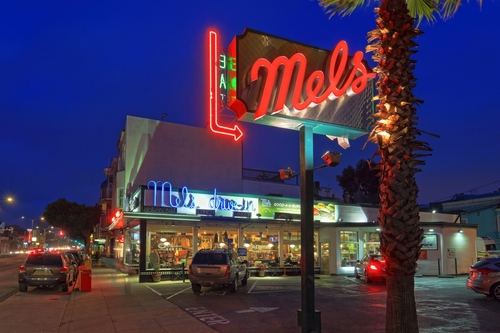
San Francisco is often portrayed as a tech paradise with cable cars and stunning waterfront views. The reality includes high living costs, gentrification, and visible homelessness. Many residents struggle to find affordable housing in a city synonymous with wealth. The scenic Golden Gate and Victorian architecture can make the everyday challenges easy to overlook.
While tech culture dominates the city’s image, neighborhoods like the Mission or Sunset District have unique, quieter communities. Commuting issues and foggy weather also contrast with the sunny, picturesque reputation. The local food and culture are rich, but it’s far from a nonstop idealized lifestyle. Visitors might be surprised to find that San Francisco feels much like a regular city under the iconic landmarks.
6. Chicago, Illinois
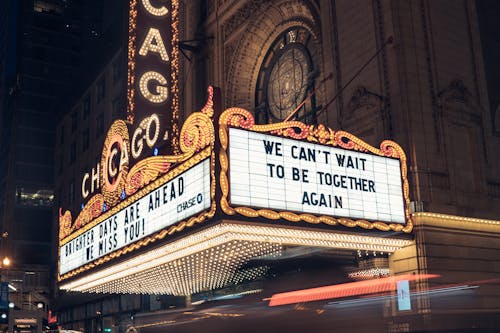
Chicago is often painted as a windy, crime-heavy city with deep-dish pizza as the cultural centerpiece. Tourists usually think of the skyline and Navy Pier when imagining the city. In reality, many neighborhoods are calm, community-focused areas. Life for the majority of residents is filled with work, school, and ordinary urban living.
The “Chicago tough” image sometimes overshadows the city’s thriving arts, music, and cultural scenes. While crime is concentrated in certain areas, it’s not the defining feature of daily life for most. Lakefront parks, public transit, and local festivals are central to how people actually live. The city has a nuanced personality that the media often simplifies.
7. Washington, D.C.
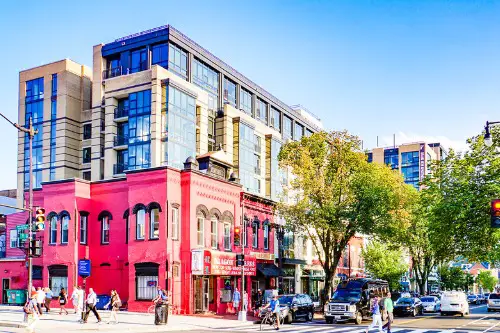
Washington, D.C. is widely seen as a political battlefield filled with power brokers and policy drama. Tourists imagine endless rallies, iconic monuments, and constant headlines. Most residents, however, lead lives outside the spotlight. Families, students, and office workers populate the city just like any other urban center.
The image of D.C. as a city of only politics overlooks its rich neighborhoods and local culture. Areas like Adams Morgan or Capitol Hill offer vibrant communities far removed from federal buildings. Cost of living is high, and traffic congestion is a daily struggle. The city’s reputation is often more about government than the everyday life of its people.
8. Seattle, Washington
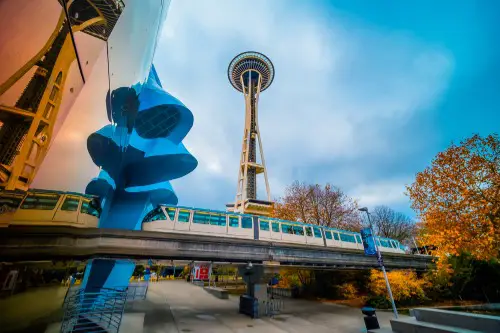
Seattle is famous for tech giants like Amazon and Starbucks, plus its scenic waterfront and coffee culture. Its reputation as a booming tech hub makes it seem universally affluent. Yet, homelessness and high housing costs are persistent issues. Many residents live lives far from the glossy tech-centric stereotype.
The rainy weather also shapes daily life more than the sun-soaked images people imagine. Neighborhoods outside the downtown core often feel like typical suburban areas. The city is also culturally diverse, with local music, arts, and food scenes that thrive quietly. The reputation of a high-tech paradise doesn’t fully capture the everyday reality.
9. Boston, Massachusetts
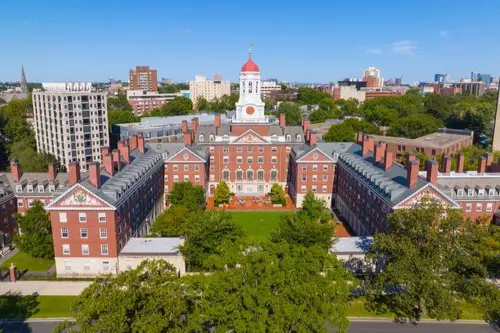
Boston is often seen as a historic, Ivy League-dominated city with sports-crazed locals. Tourists picture cobblestone streets, the Freedom Trail, and academic prestige. For residents, daily life involves commuting, dealing with traffic, and navigating high living costs. The academic reputation doesn’t define the experiences of most Bostonians.
While universities and history are central to the city’s identity, neighborhoods like Dorchester or Roxbury have distinct realities. Many families experience normal city life far removed from tourist hotspots. Sports fanaticism is real but doesn’t dominate every day. The city has depth beyond its popular image of old-world charm and academic prestige.
10. Nashville, Tennessee

Nashville is famed worldwide as “Music City,” a country music mecca. Visitors expect nonstop live performances and a honky-tonk lifestyle. In reality, most locals lead ordinary lives with jobs, schools, and quiet neighborhoods. Music is a big part of culture, but it doesn’t define daily life for everyone.
Suburbs like Brentwood or East Nashville are filled with families, small businesses, and community events. The downtown party scene is just one slice of the city. Housing costs are rising, and traffic can be challenging. The reputation as a nonstop musical haven simplifies a much more grounded city experience.
11. New Orleans, Louisiana
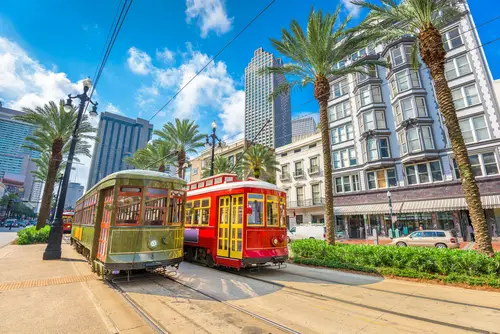
New Orleans conjures images of Mardi Gras, jazz, and vibrant nightlife. Tourists assume the city is always a party on every corner. Most residents, however, navigate daily life with work, school, and family responsibilities. The party-focused reputation can obscure challenges like economic inequality and post-Katrina recovery issues.
Neighborhoods like the Garden District or Uptown have calm, community-oriented vibes. Public safety concerns are real in specific areas but not all-encompassing. The city’s food, culture, and traditions are rich, yet they coexist with practical, everyday urban challenges. Locals balance celebration with normal city life.
12. Atlanta, Georgia
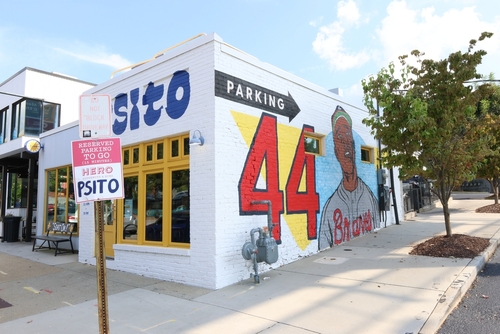
Atlanta is often viewed as a booming cultural hub with a thriving music and film scene. Its reputation as a center of Southern cool sometimes overshadows ordinary life. The city has suburban sprawl, traffic congestion, and income inequality issues. Many residents simply work, commute, and live like in any other major metro area.
While the hip neighborhoods of Midtown or Old Fourth Ward get attention, other areas are far quieter. The city’s role as a transportation hub affects daily life for most residents. Corporate culture dominates downtown rather than the glamorous image outsiders imagine. Atlanta’s reputation often exaggerates its nonstop excitement.
13. San Diego, California
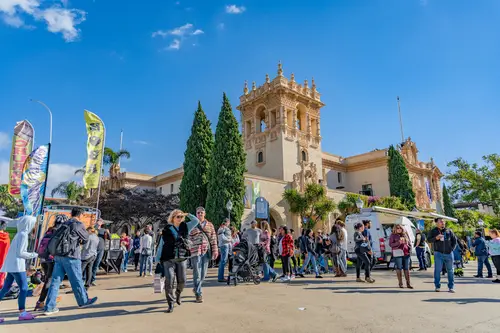
San Diego is portrayed as a sun-soaked paradise with endless beaches and surf culture. While the weather is lovely, daily life involves high rents and typical urban challenges. Many residents work in biotech, defense, or service industries, far from the idealized beach lifestyle. Tourist areas like La Jolla and Gaslamp Quarter don’t reflect the city’s full reality.
Neighborhoods inland or in suburban areas are quiet and family-oriented. Traffic and cost of living are consistent concerns. The reputation of a permanent vacation spot simplifies the lives of actual residents. Locals often joke that San Diego’s “perfect weather” doesn’t mean everything else is perfect.
14. Austin, Texas
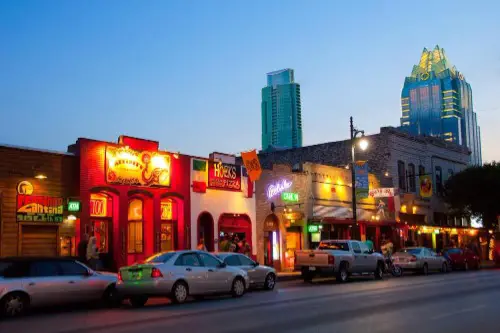
Austin has the reputation of being a quirky, live-music-filled tech hub. People imagine constant festivals, hip coffee shops, and a laid-back vibe. In reality, rising housing costs, traffic, and gentrification are serious challenges. Many Austinites lead lives that look far more routine than the city’s image suggests.
While South Congress and downtown get the headlines, most neighborhoods are quieter, family-focused communities. The tech boom has brought wealth but also inequality. Commuting is a daily struggle, and not everyone is attending SXSW every year. The city is vibrant but not entirely the music-and-magic fantasy outsiders envision.
15. Portland, Oregon
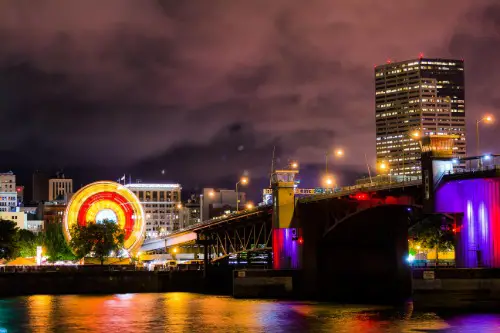
Portland is famous for its artisanal coffee, craft breweries, and progressive culture. Tourists often think of quirky neighborhoods and constant foodie adventures. For residents, daily life includes traffic, rising costs, and managing urban challenges like homelessness. The reputation for constant coolness and eccentricity masks practical realities.
Neighborhoods like Sellwood or St. Johns feel far more suburban than the downtown stereotype. Most Portlanders aren’t living a continuous “hipster dream.” The city has incredible culture, parks, and local events, but it’s still an ordinary urban environment in many ways. Reputation and reality don’t always align in the Rose City.
This post 15 Cities That Rely on Reputation More Than Reality was first published on American Charm.

