
1. Burlington, Wisconsin — From “Chocolate City USA” to Green Hopes
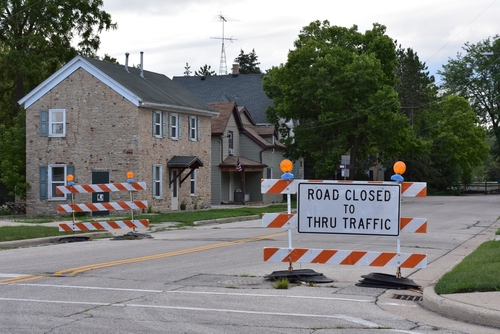
Burlington used to proudly call itself “Chocolate City USA” because of its association with a local Nestlé chocolate factory, but that identity didn’t reflect much about the town beyond nostalgia for a past employer. In 2022 the city adopted a new logo and branding to emphasize nature, unity, and local quality of life instead of sweet treats. The shift came with a grant and outside branding firm, but residents still point out that jobs and economic opportunities aren’t automatically created by a leaf next to a name. Burlington’s rebrand feels like a hopeful brochure line rather than a solution to persistent issues like economic diversification or workforce growth.
While the leaf‑and‑stem logo is pleasant and visually modern, critics argue it doesn’t change much about daily life in a small city with aging infrastructure and limited new business investment. Burlington’s real needs — from better public transit to more local jobs — remain a conversation apart from its shiny new slogan and imagery. The rebrand helped soften perceptions but didn’t suddenly grow rooftops or clinics. In the end, Burlington shows how place‑branding can focus on perception more than performance.
2. Buffalo, New York — Slogans Galore, Still Struggling
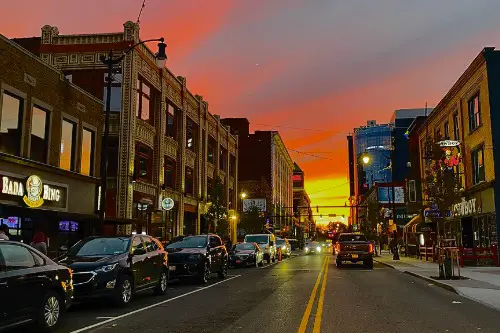
Buffalo’s tourism arm recently unveiled a multimillion‑dollar campaign called “That’s Buffalo for You,” with catchy two‑word lines like “Polished Grit” and “Refreshingly Spicy” meant to spotlight perceived contrasts and attract visitors. The updated name and new logo sought national attention and to refresh the city’s image. But while tourism and arts developments exist, ongoing challenges with poverty, population decline, and uneven neighborhood revitalization make some residents wonder if new slogans are solving core problems. Many see the campaign as surface polish rather than substantive change.
Critics note that millions are being spent reminding outsiders the city has good food and architecture, when much of the local debate still centers on housing affordability and economic stagnation. Buffalo’s waterfront development and museum expansions are real anchors, but they don’t reach everyone who lives there. So the campaign reads more like a marketing push than a manifesto for systemic improvement. Residents can appreciate the visibility boost while still wanting deeper investment in jobs and neighborhoods.
3. Philadelphia, Pennsylvania — “Love” First, Infrastructure Later
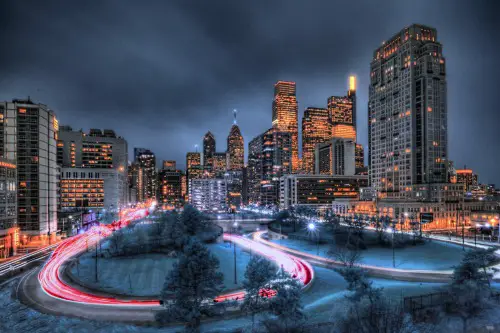
Philadelphia’s tourism board rebranded itself multiple times, from GPTMC to Visit Philadelphia, and pushed playful slogans like “The City That Loves You Back” and later “With Love, Philadelphia XOXO” to lure visitors with warmth and charm. These campaigns successfully boosted tourism numbers and helped reframe Philly as friendlier than its gritty reputation suggested. Yet beneath the ads are enduring challenges with public services, school equity, and crime perception that go far beyond jingle lines and Valentine’s Day‑style taglines. For locals, catchy slogans don’t fill potholes or fix transit.
Early campaigns, especially after economic downturns, did increase hotel stays and leisure trips, but they didn’t magically solve deeper systemic issues like uneven development across neighborhoods. Tourism dollars provide important revenue, yet critics argue that focusing on visitor image can sometimes overshadow persistent needs in resident‑focused services. Philly’s example is a reminder that branding can succeed without equitable impact. In places with stark internal disparities, some feel the spotlight overlooks the shadows.
4. Portland, Oregon — The “This Is Portland” Problem
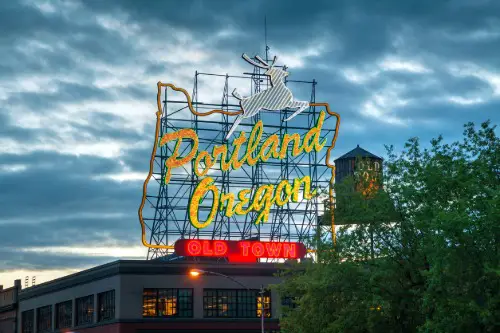
Portland’s official tourism organization has experimented with all kinds of campaigns — giant cuckoo clocks, quirky ad spots, and seasonal discount programs — to lure visitors and reposition the city’s reputation. These initiatives often made headlines for their creativity and sometimes confusion, but critics say they worked around core issues rather than on them. Portland still grapples with downtown vacancies, housing affordability, and debates over public safety that no giant ad campaign can fix. Many residents feel like marketing plays at fun identity distract from real policy and civic work.
Promoters argue that campaigns like “Ticket to Dine” and winter deals boosted short-term revenue for restaurants and shops. However, these are temporary patches, not structural solutions, and they don’t directly address systemic barriers to investment or resident quality of life. Portland’s marketing captures imagination but not necessarily long-term commitment to the people who live there year-round. So while the city’s brand gets airtime, the lived experience of many locals remains unchanged.
5. Plymouth, Wisconsin — Cheese Capital Without a Plan
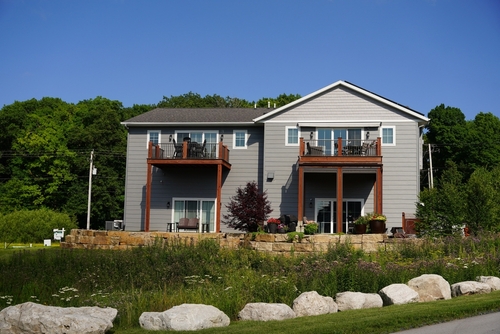
Plymouth calls itself the “Cheese Capital of the World,” a title that draws tourists and bolsters local pride because of its historic dairy industry legacy and events tied to cheese culture. But that brand identity can overshadow deeper economic questions about diversification, future job creation, and sustainable growth. Tourism boosts foot traffic during festivals, sure, but long-term investments in technology, healthcare, or education infrastructure haven’t been tied as tightly to the town’s shinier image. When your biggest headline is about cheese, it can feel like branding is a substitute for broad economic strategy.
Visitors enjoy the cheesiness and local charm, but the local economy still relies heavily on a limited set of industries and seasonal events. Plymouth’s identity works as tourism bait, but it doesn’t automatically deliver jobs for every resident or fix structural issues like affordable housing. The cheese label is fun, memorable, and marketable — but not a full blueprint for sustainable prosperity. Locals appreciate the spotlight while quietly wishing for deeper economic pillars.
6. “Pure Michigan” — State Branding Over Substance
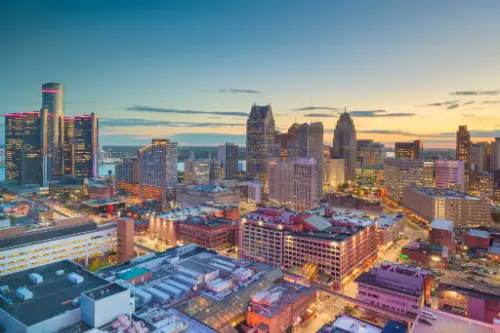
Michigan’s “Pure Michigan” campaign turned heads with iconic ads featuring scenic shots and celebrity voiceovers designed to sell the state as a travel destination. It became a beloved tourism tagline and aired nationally for years, giving the state an image makeover after economic downturns in manufacturing. Still, critics argue that while the ads improved perception, they sometimes felt like a glossy cover over deeper structural issues like economic inequality, declining cities in the south of the state, and long-term population loss. Brand recognition didn’t necessarily equate to solving budget shortfalls or reversing demographic shifts.
The campaign was expensive and attention-grabbing, but many of Michigan’s economic challenges — from pension liabilities to uneven regional growth — required policy solutions beyond tourism dollars. Local leaders embraced the brand because it brought visibility to lakes and forests that people already loved. But visibility alone doesn’t pay toll booths or fix roads in Detroit or Flint. “Pure Michigan” remains a case of strong branding amid ongoing structural debates.
7. Leavenworth, Washington — Bavarian Dreams vs. Local Reality
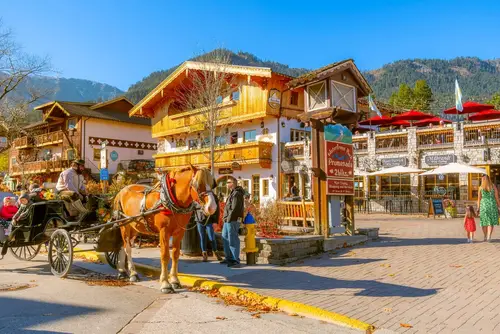
Leavenworth famously remodeled its downtown into a Bavarian-style village to attract tourists, complete with festivals, Alpine façades, and themed events, turning a declining timber town into a year-round draw. The theme-village identity is charming and undeniably successful in tourism dollars, yet it fundamentally reframed the town’s character around an imported aesthetic rather than grassroots community needs. Locals often note that the focus on tourist experience doesn’t automatically translate into affordable housing or balanced year-round employment. What remains is a wonderful place to visit — and sometimes a challenging place to live for residents working outside tourism.
The Bavarian theme helps bring cash into shops and hotels, but seasonal shifts and reliance on visitor numbers leave the community vulnerable to economic fluctuations. Rebranding here succeeded as economic visibility, yet it didn’t eliminate structural dependence on a narrow industry. Residents appreciate the vibrancy but also recognize that tourism branding is not a catch-all fix. Leavenworth reflects how identity-based reinvention can be both a boon and a blunt instrument.
8. Bend, Oregon — Outdoor Paradise With Gaps
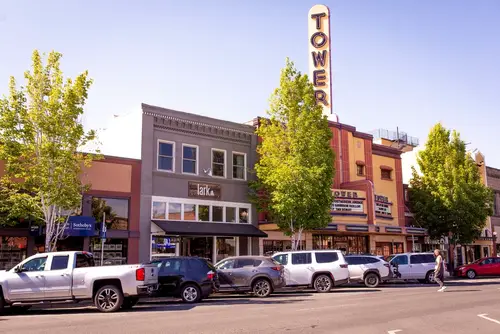
Bend marketed itself relentlessly as an outdoor enthusiast’s paradise — think mountain biking, craft breweries, and scenic beauty — which did attract new residents and attention. That identity worked to bring in entrepreneurs and visitors, but it also contributed to steep housing prices and service challenges that burden locals. While branding helped elevate Bend’s profile, it also outpaced infrastructure planning and workforce housing. Many see this as an example of rebranding without sufficient follow-through on community needs.
Tourism and outdoor branding gave Bend national cachet, but the town now grapples with balancing visitor influx and everyday livability. Newcomers drawn by image can strain schools, roads, and emergency services. Bend’s experience highlights how successful branding can create pressure points as much as benefits. Without careful planning, a place’s own image can exceed its capacity to support that growth sustainably.
9. Marfa, Texas — Arts Hub on the Edge
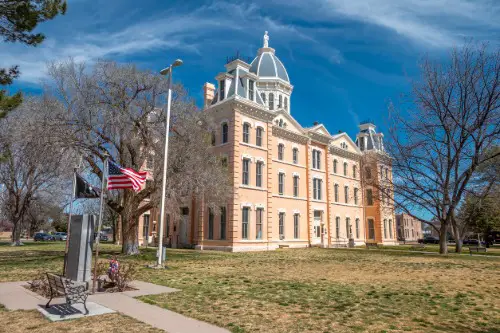
Marfa transformed itself from a sleepy ranch town into an arts and culture destination with installations, galleries, and a reputation that attracted creatives — a branding coup for such a small place. Yet that same reputation boosted property values faster than economic infrastructure could catch up, prompting tensions over housing affordability and service access. Marfa’s brand as an arts haven became a magnet without matching systemic supports for a growing resident population. Locals celebrate the cultural identity, but it’s also a reminder that brand success doesn’t equal balanced community development.
Tourism dollars now drive much of the local economy, but critics say the narrative often overshadows everyday struggles like sustainable employment outside seasonal and arts tourism. Brand visibility brought attention; real structural improvements require deeper investment. The town’s story shows that artistic renown alone can’t fix underlying community needs. Marfa’s charm is powerful, but residents often want more than postcards and crowds.
10. Darrington, Washington — Festivals Over Foundations
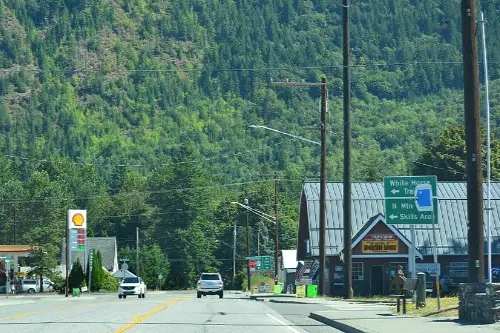
Darrington, a small mountain town, tried to diversify its economy by promoting festivals and tourism events after traditional industries declined, hoping to become a year-round destination. That marketing push brought some visitors, but it never replaced the consistent economic base the town once had. Efforts to host major attractions like NASCAR races or swim centers fell mostly flat, revealing how branding experimentation wasn’t enough to fill local coffers. Darrington’s focus on image and events illustrates how place promotion can outpace actual economic solutions.
Today, tourism is part of life there, but it hasn’t resolved long-standing economic vulnerabilities. Residents still cope with infrastructure needs, transportation challenges, and limited job markets that no festival schedule can fix. The town’s identity pivot brought moments of attention without structural transformation. It’s a classic example of a place chasing visibility rather than sustainable economic growth.
11. Kansas City, Missouri — Heart Symbol, Hard Streets
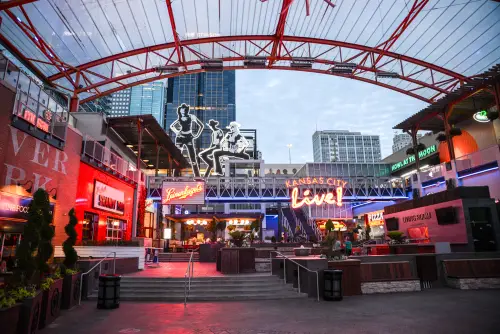
Kansas City invested in cultural branding — from its iconic barbecue and jazz heritage to a “KC Heart” symbol splashed across murals and merch — to shed its image as overlooked flyover territory. The branding did help shift perception and attract visitors and talent, but many neighborhoods still grapple with inequality, underinvestment, and infrastructure needs. So while KC’s brand lifts its profile, the lived reality for many residents remains tied to deep-seated challenges. Kansas City shows how a strong brand can coexist with real unmet needs.
Marketing a city as a cultural gem helped raise national awareness, and investments in tech and food scenes did bring jobs. However, these benefits don’t always trickle down evenly across the whole metropolitan area. The city’s heart icon is beloved, but it doesn’t magically fix longstanding gaps in services or housing affordability. For many locals, the brand feels like a shining sign above a still-uneven street.
12. Phoenix, Arizona — New Look, Same Sprawl
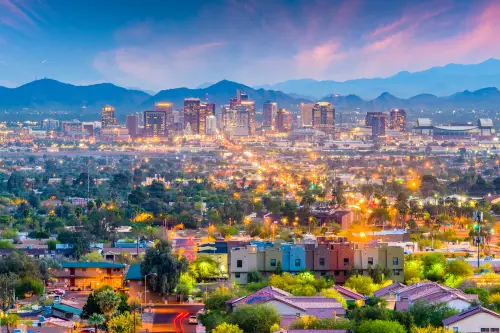
Phoenix once leaned heavily into a sun-soaked sprawl identity that critics said lacked character, so city leaders pushed a sleek “PHX” brand tied to urban development and cool-factor messaging. That modern aesthetic helped reframe Phoenix in brochures and social feeds, but everyday challenges like traffic congestion, affordable housing crunches, and heat-related infrastructure strains remain pressing. The brand reflects aspiration and hype more than a coherent strategy for deep structural problems. Residents sometimes joke that Phoenix’s brand is cool in ads, hot in reality.
Urban light-rail extensions and arts districts have made parts of downtown livelier, but broader population pressures and service gaps persist. Rebranding gave Phoenix visibility in new markets, yet it can feel like a veneer over the same regional struggles. The shift toward remote-worker attraction and cultural buzz is smart marketing, but it doesn’t automatically fix sprawling growth issues. So Phoenix’s brand evolution is a classic case of looking good on a postcard while working through real-world challenges at home.
This post The Towns That Keep Rebranding Instead of Improving was first published on American Charm.

