1. Las Vegas, Nevada
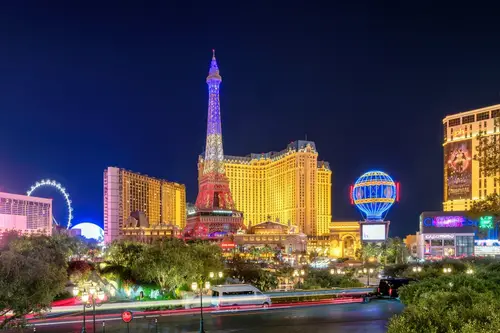
Las Vegas is built on an economy where people come to try something out rather than settle in. Tourism, hospitality, and gaming dominate the job market, and many workers arrive knowing they can leave just as quickly. The city’s branding leans heavily on spectacle instead of community, which subtly tells residents they are part of the show, not the story. Even longtime locals often describe life there as being between acts.
Housing patterns reinforce this temporary feeling in concrete ways. Large apartment complexes and master-planned developments cater to short leases and rapid turnover. Neighborhood institutions like corner stores and multigenerational schools are less common than in older cities. When a place is designed around visitors, residents can start to feel like extended guests.
2. Orlando, Florida
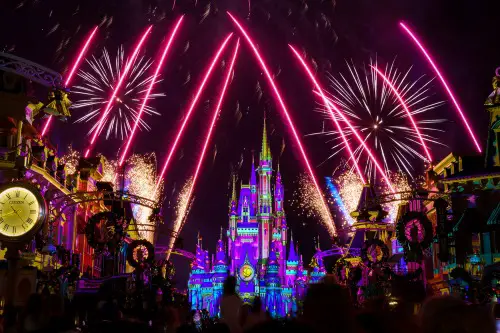
Orlando revolves around an entertainment economy that constantly refreshes its workforce. Theme parks, resorts, and seasonal attractions bring in young workers from across the country and around the world. Many arrive with a clear expiration date tied to a contract, internship, or early-career phase. That mindset bleeds into the wider culture of the city.
The physical layout adds to the sense of impermanence. Suburban sprawl and highway corridors make it harder to form walkable, rooted neighborhoods. Many residents interact more with workplaces than with local civic spaces. It can feel like a city you pass through repeatedly without ever fully arriving.
3. Washington, D.C.
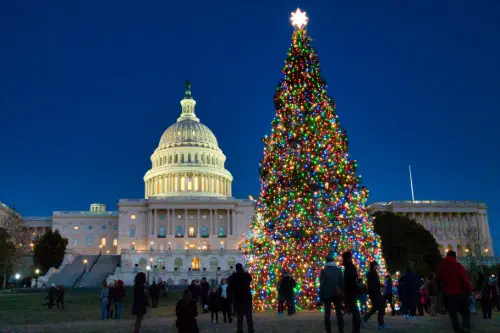
Washington, D.C. is famously full of people who “aren’t staying long.” Federal jobs, political appointments, fellowships, and campaign cycles attract residents with built-in end dates. Even socially, conversations often start with where someone is headed next rather than where they came from. That forward-looking focus shapes how relationships form.
Neighborhoods feel this churn in subtle but real ways. Rentals outnumber owner-occupied homes in many areas close to government centers. Social scenes reset after every election and administration change. You can live there for years and still feel like the city is mid-transition.
4. San Jose, California
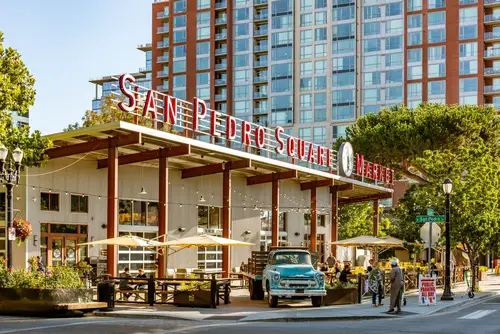
San Jose sits at the heart of Silicon Valley, where career mobility is expected. Tech workers move frequently between companies, cities, and even countries. Many residents see their time there as a strategic stop rather than a lifelong home. The city’s identity is often overshadowed by employers instead of neighborhoods.
The built environment reflects this corporate rhythm. Office parks and high-density apartments dominate much of the landscape. Historic districts exist, but they are smaller and less central than in older cities. When work defines place more than place defines work, attachment can feel provisional.
5. Phoenix, Arizona
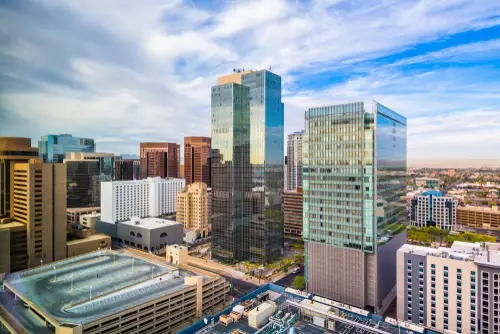
Phoenix has grown at a pace that outstrips its sense of shared history. Many residents arrived within the last decade, drawn by affordability and jobs. Snowbirds and part-time residents further blur the line between permanent and temporary population. The city often feels like it is still introducing itself.
Sprawl plays a major role in this feeling. Car-dependent neighborhoods can isolate residents from one another. Local traditions struggle to take root when communities are physically dispersed. It’s easy to feel like you’re renting a lifestyle rather than joining a city.
6. Houston, Texas
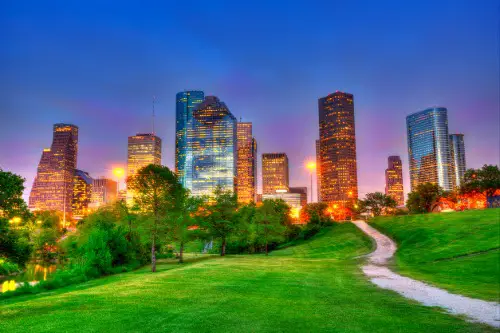
Houston’s economy is famously tied to boom-and-bust cycles, especially in energy. Workers arrive during expansions and leave just as quickly during downturns. That instability shapes how people plan their lives there. Many keep one foot emotionally out the door.
The city’s lack of zoning contributes to a constantly changing landscape. Familiar landmarks disappear overnight, replaced by new developments. Neighborhoods can feel provisional rather than preserved. When the city keeps reinventing itself, residents may hesitate to invest emotionally.
7. Seattle, Washington
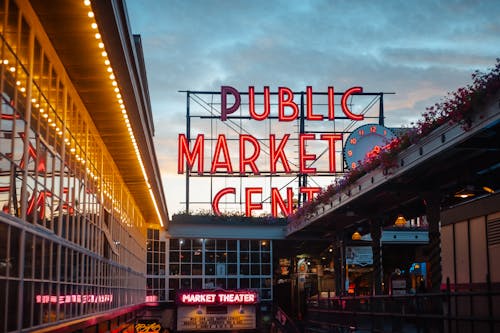
Seattle has absorbed waves of newcomers driven by the tech industry. Rapid population growth has reshaped neighborhoods in a short amount of time. Many arrivals see the city as a career accelerator rather than a final destination. That perception can make social ties feel tentative.
The cost of living reinforces this transience. Rent increases push residents to move frequently within or out of the city. Longtime institutions struggle to survive in fast-changing areas. Even people who love Seattle often talk about how long they can realistically stay.
8. Austin, Texas
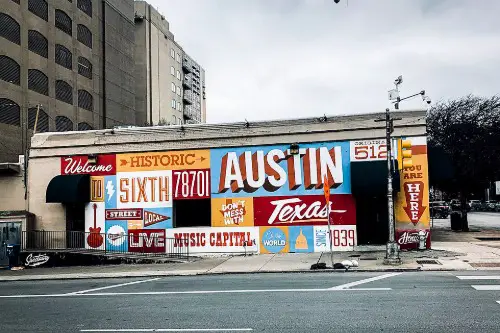
Austin’s reputation as a cultural hotspot attracts people eager to try it on for size. Music, tech, and media jobs pull in young transplants with flexible plans. Many arrive chasing a vibe rather than a rooted community. That energy is exciting but fleeting.
As growth accelerates, the city’s identity feels in flux. Longtime residents are priced out, and newcomers cycle in. Neighborhood character shifts faster than traditions can solidify. Living there can feel like joining a moving train.
9. Miami, Florida
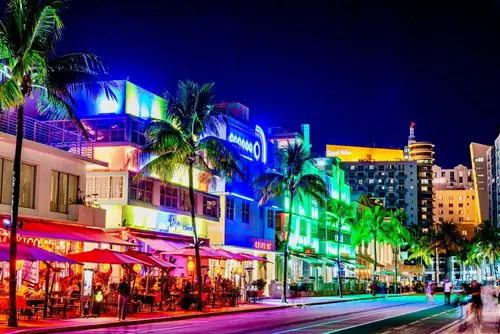
Miami’s population includes a high number of seasonal residents and international transplants. Many people split time between cities or countries, treating Miami as one stop among several. The social scene reflects this fluidity. Connections are vibrant but often short-lived.
The economy reinforces this pattern. Tourism, real estate, and nightlife dominate many areas. These industries thrive on constant novelty rather than permanence. It can feel like a place designed for arrivals, not long stays.
10. San Diego, California
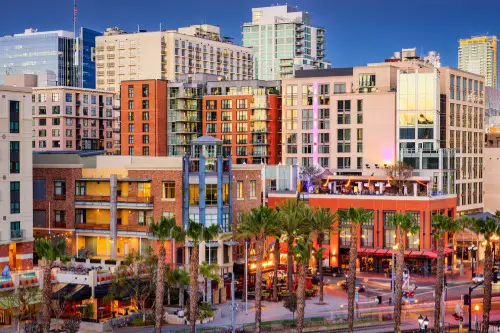
San Diego’s large military presence brings steady population turnover. Service members and their families rotate in and out on predictable schedules. Even civilians absorb this rhythm of arrival and departure. Friendships often come with an unspoken countdown.
The city’s lifestyle focus adds another layer. Many people move there for weather or a specific phase of life. High housing costs make long-term settling difficult. It’s easy to love San Diego while still feeling temporary within it.
11. Denver, Colorado
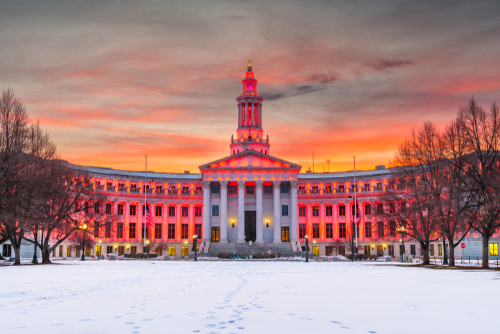
Denver has attracted waves of newcomers seeking opportunity and outdoor access. Growth has been rapid enough to outpace shared cultural grounding. Many residents are recent arrivals still figuring out their place. The city can feel like a collective work in progress.
Rising costs contribute to constant movement. Renters shift neighborhoods or leave entirely as prices climb. Longtime residents talk about how quickly things change. That instability can make even years feel provisional.
12. Anchorage, Alaska
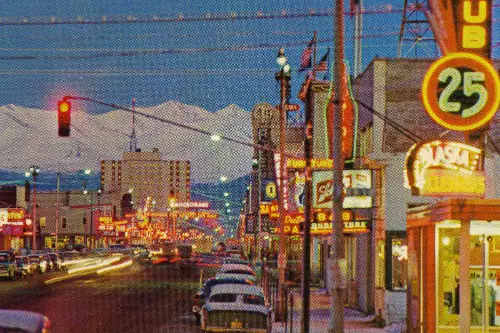
Anchorage has a uniquely transient workforce tied to military, oil, and seasonal industries. Many residents arrive knowing their stay has a clear end. The city’s population fluctuates with economic cycles and deployments. That expectation shapes how people connect.
Geographic isolation adds to the feeling. Anchorage can feel like a temporary outpost rather than a permanent hub. Some residents treat it as an adventure chapter. Even those who stay long-term often acknowledge how many others pass through.
This post Why Some Cities Feel Temporary No Matter How Long You Stay was first published on American Charm.