1. Making Direct Eye Contact

Many Americans learn early that steady eye contact signals honesty and respect. It’s commonly emphasized by parents, teachers, and workplace training. Avoiding eye contact can be interpreted as evasive, insecure, or even untrustworthy. For many Americans, eye contact equals engagement.
In other cultures, prolonged eye contact can feel confrontational or inappropriate. It may be reserved for close relationships or avoided with elders and authority figures. When Americans maintain eye contact, they usually mean “I’m listening.” To others, it can feel intense or uncomfortable rather than respectful.
2. Calling People by Their First Name Right Away

Americans often switch to first names immediately, even in professional settings. This is meant to convey friendliness, equality, and openness. Using titles like “Mr.” or “Dr.” can feel overly formal or distant to Americans. The goal is often to flatten hierarchies.
In many cultures, titles are a primary way of showing respect. Skipping them can come across as presumptuous or rude. Americans may think they are being welcoming when they say, “Just call me Sarah.” To others, it can feel like respect hasn’t yet been earned.
3. Smiling at Strangers

In the U.S., smiling at strangers is commonly seen as polite and respectful. It’s a way to acknowledge someone’s presence without needing conversation. People often smile at neighbors, cashiers, or passersby automatically. Not smiling can be read as unfriendly or cold.
In other countries, smiling without a clear reason can seem strange or insincere. It may be interpreted as flirting, mockery, or confusion. Americans usually mean, “I’m harmless and polite.” Others may wonder what the smile is supposed to communicate.
4. Tipping Service Workers

Tipping in the U.S. is widely considered a sign of respect for someone’s work. Many service workers rely on tips as a significant part of their income. Leaving 15–20 percent is generally expected in restaurants. Not tipping is often interpreted as dissatisfaction or disrespect.
In many other countries, service staff are paid a living wage without tips. Extra money may feel unnecessary or awkward. Americans see tipping as appreciation, not charity. To outsiders, it can look like an odd system that shifts responsibility onto customers.
5. Asking “How Are You?” Without Expecting an Answer

Americans frequently ask “How are you?” as a polite greeting. The question is usually rhetorical and meant to signal friendliness. A brief response like “Good, thanks” is the expected norm. Offering a detailed or honest answer can feel unexpected.
In other cultures, asking about someone’s well-being implies genuine interest. Giving a shallow response may seem dismissive. Americans often don’t realize the question sounds sincere. To others, it can feel confusing or emotionally misleading.
6. Standing Up for the National Anthem

Standing during the national anthem is widely viewed as a sign of respect in the U.S. This includes at sporting events and public ceremonies. Many Americans were taught that standing honors the country and those who served it. Remaining seated can be perceived as disrespectful.
In other countries, national symbols may not carry the same expectations. Public displays of patriotism can be more subdued. Americans often see standing as basic courtesy. Others may see it as excessive or politically loaded.
7. Being Direct in Conversation

Americans tend to value straightforward communication. Saying exactly what you mean is often framed as honest and respectful. Avoiding the point can be seen as evasive or inefficient. Directness is frequently praised in workplaces.
In many cultures, indirect communication is a sign of politeness. Softening language helps preserve harmony and save face. Americans may think they’re being clear and respectful. Others may hear bluntness as rudeness or insensitivity.
8. Arriving Exactly on Time

Punctuality is strongly associated with respect in the U.S. Showing up on time signals reliability and consideration for others. Being late is often interpreted as careless or disrespectful. This expectation applies to both professional and social settings.
In some cultures, time is more flexible. Arriving slightly late can be normal and socially acceptable. Americans often see schedules as firm commitments. Others may view that rigidity as unnecessary pressure.
9. Saying “Please” and “Thank You” Frequently

Americans are taught early to use “please” and “thank you” often. These phrases are seen as basic markers of respect and good manners. Not using them can feel abrupt or rude. They are expected even in quick or transactional interactions.
In other cultures, respect may be conveyed more through tone or actions. Repeating polite phrases can feel excessive or robotic. Americans see the words as essential. Others may find the emphasis confusing or superficial.
10. Giving Personal Space
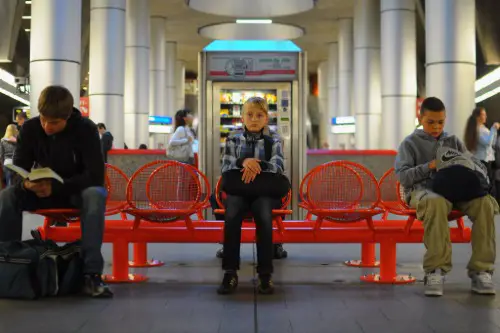
Americans often show respect by maintaining physical distance. Standing too close can feel intrusive or uncomfortable. Personal space is especially important with strangers or acquaintances. Respect is shown by not encroaching.
In other cultures, closer proximity is normal and friendly. Physical closeness can signal warmth and trust. Americans may interpret closeness as disrespect. Others may see American distance as cold or standoffish.
11. Respecting Individual Opinions, Even When Disagreeing

Americans often frame respect as letting people “have their own opinion.” Open disagreement is acceptable as long as it’s expressed calmly. Respect is shown by acknowledging someone’s right to think differently. Changing someone’s mind isn’t always the goal.
In more collective cultures, harmony may be valued over individual expression. Open disagreement can feel disrespectful or disruptive. Americans may think debate shows mutual respect. Others may experience it as unnecessary conflict.
This post What Americans Consider “Respectful” That Confuses Everyone Else was first published on American Charm.