1. Supreme
Supreme built its empire on exclusivity and hype rather than on exceptional product quality. Many of its items, especially apparel, are made from standard materials similar to those used by mid‑tier streetwear brands. The limited‑release model creates artificial scarcity, which drives resale prices sky‑high. Fans buy into the culture and the status symbol more than the craftsmanship.
The brand’s collaborations with luxury houses and artists amplify its reputation. Even simple items like T‑shirts or accessories can sell out instantly because of the logo alone. Supreme’s success shows how powerful branding can be when combined with scarcity. The quality rarely matches the price, but the reputation keeps the machine running.
2. Harley‑Davidson
Harley‑Davidson has built an almost mythic reputation around Americana, freedom, and the open road. The brand’s image is so strong that many buyers overlook the fact that Harley has struggled with reliability issues for years, including recurring problems with oil leaks and engine vibration. Critics often point out that the bikes are expensive for the performance they deliver compared to competitors like Honda or Yamaha. Yet the brand loyalty is so intense that many riders stick with Harley purely because of the culture and identity attached to it.
Harley’s marketing leans heavily on nostalgia and lifestyle rather than engineering innovation. While the company has made improvements, it still lags behind rivals in areas like technology integration and long‑term durability. The company’s sales have also depended on an aging customer base that buys into the brand’s legacy more than its specs. That dynamic makes Harley a classic example of a brand surviving on reputation rather than consistent product quality.
3. UGG
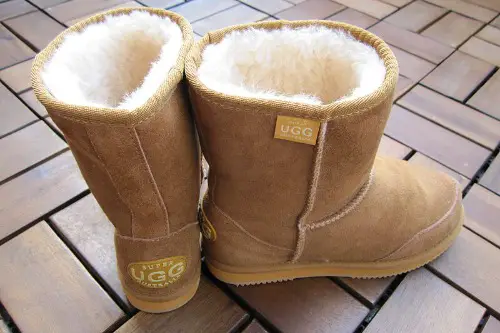
UGG boots became a cultural phenomenon in the 2000s, largely because of celebrity endorsements and their association with a certain cozy, laid‑back lifestyle. Despite the hype, the boots have long been criticized for their lack of durability, especially when exposed to wet weather. Many customers report that the sheepskin wears down quickly and loses structure after a single season. Still, the brand’s strong aesthetic identity keeps people buying them even when the quality doesn’t match the price.
UGG leans heavily on comfort as its main selling point, but plenty of cheaper alternatives offer similar warmth and softness. The company’s premium pricing is tied more to the brand’s status than to any standout construction or longevity. Even fashion critics have noted that the boots are more about trendiness than craftsmanship. Yet the brand continues to thrive because people associate UGG with a specific lifestyle rather than with exceptional build quality.
4. Levi’s
Levi’s is practically synonymous with denim, but the brand’s quality has become a frequent topic of debate. Many customers have noticed thinner fabric, less durable stitching, and inconsistent sizing compared to older pairs. The shift toward mass production and cost‑cutting has made some of their jeans feel less rugged than the heritage image suggests. Yet people continue to buy Levi’s because the name itself feels iconic.
The company still markets heavily around its history and Americana roots. Vintage Levi’s from decades past are prized for their durability, which ironically highlights how different the modern versions can feel. Even so, the brand’s cultural cachet keeps it relevant in a crowded denim market. Levi’s survives largely because people trust the name, even if the product doesn’t always live up to the legacy.
5. KitchenAid

KitchenAid mixers are beloved for their classic design and long history, but recent models have faced criticism for declining durability. Longtime users have pointed out that metal components have been replaced with plastic in some parts, leading to more frequent repairs. The brand still markets itself as a premium, heirloom‑quality appliance, even though many competitors now offer stronger motors and better build quality. Despite this, the iconic look and nostalgia keep KitchenAid mixers in high demand.
The company benefits from its association with professional baking and home‑cooking culture. Many people buy KitchenAid because it feels like a rite of passage for a serious kitchen, not because they’ve compared specs. Influencers and cooking shows also reinforce the idea that it’s the gold standard. That reputation often overshadows the fact that the quality isn’t what it used to be.
6. Converse
Converse Chuck Taylors are one of the most recognizable shoes in the world, but they’re not exactly known for durability. The canvas wears out quickly, the soles flatten fast, and the shoes offer almost no support. Still, people buy them because they’re a cultural staple tied to music, art, and counterculture. The brand’s identity is so strong that quality concerns rarely deter fans.
Converse has released upgraded versions with better cushioning, but the classic model remains the bestseller. That’s because people want the look and the nostalgia more than they want performance. The shoes function more as a fashion statement than a practical sneaker. Their continued success shows how powerful branding can be even when the product itself is basic.
7. Ray‑Ban
Ray‑Ban sunglasses are iconic, but many critics argue that the quality doesn’t justify the premium price. The brand is owned by EssilorLuxottica, which dominates the eyewear market and sets high prices across many labels. Ray‑Ban frames are often made from standard materials that aren’t significantly different from cheaper alternatives. Yet the brand’s association with Hollywood and classic Americana keeps it popular.
The company’s marketing leans heavily on heritage styles like the Wayfarer and Aviator. These designs have cultural staying power, which helps mask the fact that the build quality is fairly average. Many customers buy Ray‑Bans because they want the recognizable look, not because they’re getting top‑tier craftsmanship. The brand thrives on its reputation as the “cool” choice.
8. North Face
The North Face is known for outdoor gear, but not all of its products live up to the rugged image. Many of the brand’s mainstream jackets and fleeces are made with mid‑tier materials that don’t match the performance of true technical gear. Outdoor enthusiasts often point out that other brands offer better waterproofing, insulation, and durability for the same price. Still, The North Face remains a status symbol for casual wearers.
The company’s logo has become a fashion statement, especially in urban areas. People buy the brand because it signals an active, adventurous lifestyle, even if the gear never sees a mountain. The North Face also benefits from strong retail presence and collaborations that boost its cultural relevance. Its reputation often outweighs the actual performance of many of its products.
9. Tiffany & Co.
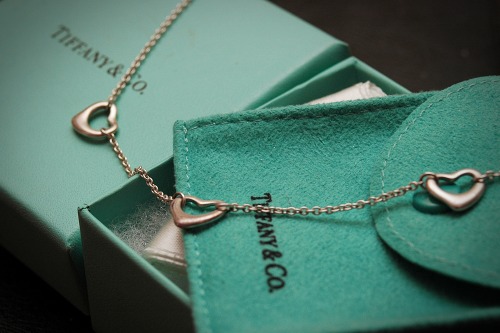
Tiffany & Co. is one of the most famous luxury jewelry brands, but much of its appeal comes from the name rather than the materials. Many of its silver pieces are priced far above market value for the metal itself. Critics argue that customers are paying for the blue box and the prestige more than the craftsmanship. Yet the brand continues to thrive because it represents tradition, romance, and status.
Tiffany’s marketing emphasizes timeless elegance and emotional significance. Engagement rings, in particular, are sold as symbols of commitment rather than as products to compare on quality alone. While the company does offer high‑end pieces, many of its bestsellers are simple designs with steep markups. The brand’s reputation carries more weight than the intrinsic value of many items.
10. Coach
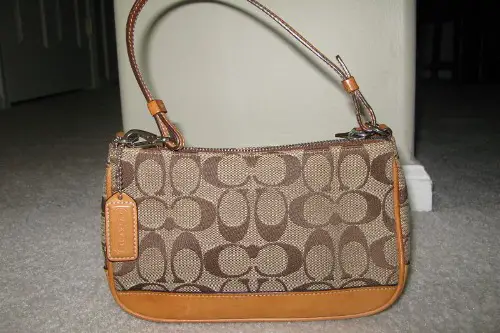
Coach has long been positioned as an accessible luxury brand, but its quality has fluctuated over the years. The company expanded aggressively in the 2010s, which led to mass‑market saturation and a noticeable decline in materials and craftsmanship. Many longtime customers complained that the bags no longer felt as sturdy or premium as they once did. Even so, the brand’s name still carries enough weight to keep it in the “luxury” conversation.
Coach has tried to rebuild its image with limited collections and higher‑end lines, but the inconsistency remains a sticking point. Outlet stores, which make up a large portion of Coach’s sales, often carry lower‑quality products made specifically for discount channels. This has created confusion about what “real” Coach quality even means. Despite these issues, the brand’s reputation for prestige keeps it afloat.
11. Bath & Body Works
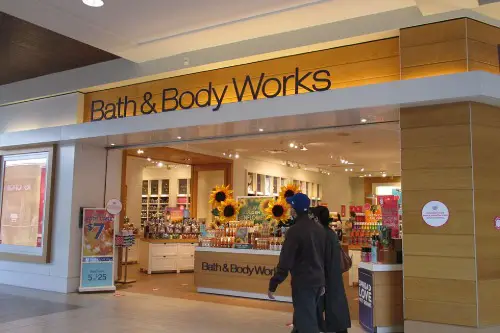
Bath & Body Works is famous for its scented lotions and candles, but the products often rely on heavy fragrance oils and synthetic ingredients. Many customers report that the scents fade quickly or smell artificial compared to higher‑quality alternatives. The candles, in particular, have been criticized for inconsistent burn times and soot production. Despite this, the brand’s seasonal releases and strong marketing keep people coming back.
The company excels at creating a sense of excitement around limited‑time scents. Shoppers often buy for the experience and the branding rather than for long‑lasting quality. The stores themselves are designed to feel fun and immersive, which reinforces the emotional appeal. Bath & Body Works thrives because of its reputation for indulgence, even if the products aren’t top‑tier.
This post American Brands That Survive on Reputation, Not Quality was first published on American Charm.