1. Traverse City, Michigan

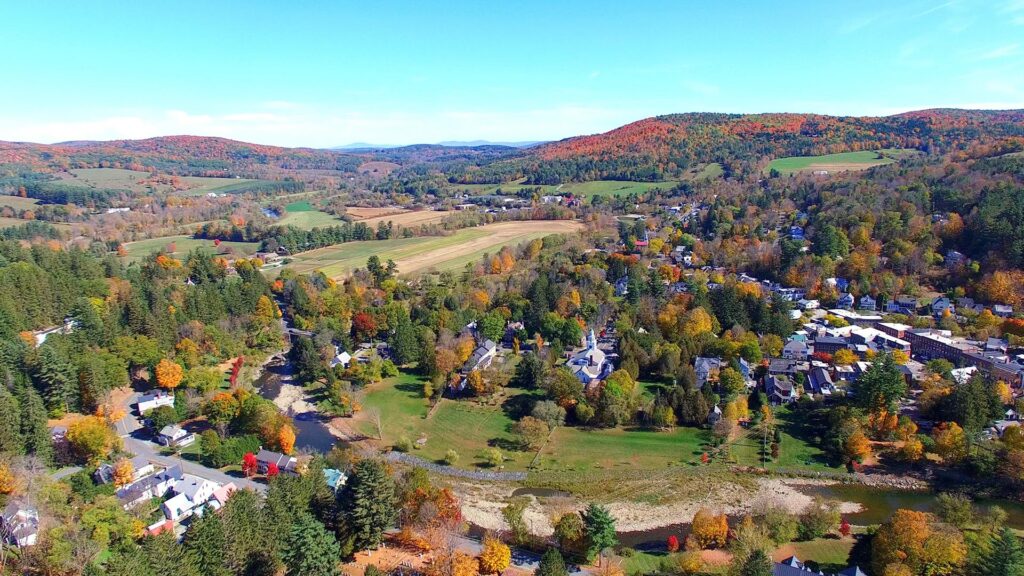
Traverse City isn’t a purpose‑built retirement town, but it’s become a favorite for retirees seeking authentic community and nature rather than golf courses and rec centers. Situated on Lake Michigan with vineyards, beaches, and forests all around, it’s the sort of place that captures your heart before you even unpack your bags. Retirees here enjoy farmers markets, a vibrant food scene, and access to quality healthcare — essentials that make day‑to‑day life feel satisfying. And while winter isn’t for everyone, summer here is as good as it gets, drawing retirees who love boating, wine tastings, and long lake views.
There’s a kind of intentionality to retirement living here: people move not just for scenery, but for a lifestyle where community involvement and natural surroundings are central. Cultural events, walking trails, and local shops create a social rhythm without forcing retirees into a contrived bubble. The slower pace combined with active engagement makes it feel like the best of both worlds. Traverse City demonstrates that retirement towns can emerge organically when a place offers the right mix of lifestyle and amenities.
2. Leisure World, Seal Beach, California
Leisure World in Seal Beach was a bold answer to aging in place long before the idea was buzzworthy: a massive, all‑electric, gated community opened in 1962 with on‑site medical care, health insurance access, and neighbors all in the same stage of life. It wasn’t just another suburb; it was a self‑contained world where retirees could feel secure and active without venturing far from home. With nearly 10,000 residents and a rhythm of social clubs, fitness, and community events, it set standards many later developments would copy. Situated on the Pacific in Orange County, it also gave retirees a coastal lifestyle that felt more vacation than retirement.
Leisure World became a template for later “active adult” communities because it proved that retirees wanted more than quiet streets. They wanted opportunities: places to meet friends, keep fit, and stay engaged with hobbies and wellness. Its success inspired dozens of similar communities across America, all trying to match its mix of convenience and independence. Today, many people still look to Leisure World when they think of what a retirement town could be.
3. Laguna Woods Village, California
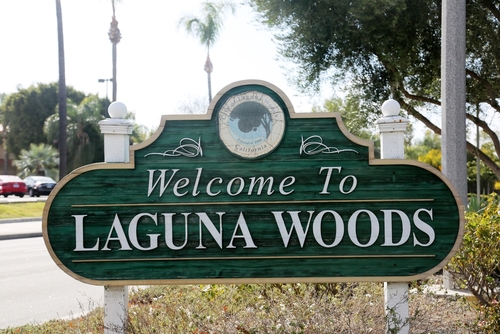
Nestled in Orange County, Laguna Woods Village is one of those places that feels like a lifetime‑friend reunion on repeat. Built in the 1960s as an expansion of the Leisure World concept, this age‑restricted village now dominates most of the city of Laguna Woods and has become home to tens of thousands of retirees. The vibe here is social yet serene: residents have clubs, community centers, and golf courses right outside their doors. Its popularity shows how retirement living evolved from isolated enclaves to fully realized neighborhoods with culture and camaraderie woven into everyday life.
What makes Laguna Woods Village stand out is its sheer scale and continuity — it’s not a gated community off the freeway, it’s essentially the town. People come here expecting convenience: nearby shopping, healthcare, and neighbors who are often lifelong friends by the time you move in. There’s a real rhythm here, from bocce games to art clubs to holiday celebrations, that keeps retired residents engaged and connected. It feels less like a retirement plan and more like a lifestyle choice.
4. The Villages, Florida

The Villages is the poster child for “a town built for retirees,” so much so that it has become one of the fastest‑growing metropolitan areas in the U.S. by design rather than accident. Starting from a humble mobile home park in the 1970s, it expanded into an enormous age‑55+ community with golf courses, town squares, and hundreds of clubs and activities. What’s striking about The Villages is its scale — imagine a place where golf carts outnumber cars and live music fills public spaces almost every night of the week. Residents here don’t retire to The Villages, they retire within an entire ecosystem built around their lifestyle.
A trip to The Villages feels like stepping into a self‑contained world where leisure isn’t a break from life — it is life. With thousands of homes, dozens of recreation centers, and community events scheduled year‑round, the pace is intentionally vibrant. The place is designed so residents rarely need to venture far for companionship, entertainment, or daily needs, which is exactly the point for people seeking ease and connection. Its sheer size and amenities make it less a retirement town and more a cultural phenomenon.
5. Nalcrest, Florida
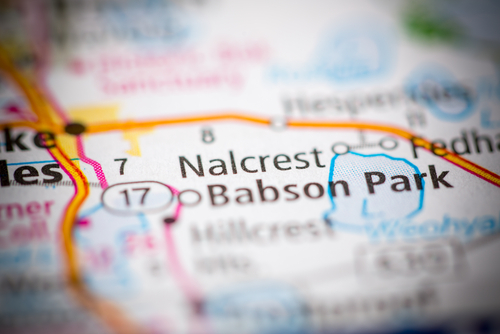
Nalcrest isn’t your typical retirement town — it was built for a very specific group: retired letter carriers from the U.S. Postal Service. Laid out in the early 1960s and still operated by a foundation tied to the postal union, it offered retirees community, recreation, and maintenance‑free living right from the start. The motto here could be “you’ve delivered the mail your whole life, now enjoy the sunset,” because that’s literally what a lot of residents do. With its pool, tennis courts, softball field, and bocce pits, it’s an offbeat but earnest answer to the question: what if your retirement community felt a little like home?
Unlike sprawling mega‑communities, Nalcrest is compact and intentional — a place where your neighbors really are your peers in career and stage of life. There’s no nuanced assisted living here, no on‑site physicians — it’s a community for independent retirees who want to handle their own lives but still enjoy planned amenities. And the fact that mail carriers still have to pick up their mail at the post office is a delightful little twist on the whole retirement concept. It’s a town that never quite forgot its roots, even as its residents moved on from work.
6. Leesburg, Florida
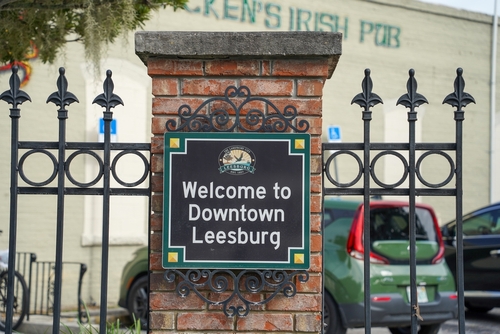
Leesburg has quietly transformed from a lakeside small city into one of the fastest‑growing retirement enclaves in the nation. What makes Leesburg notable isn’t just its sunny weather and low crime — it’s that the retiree population here has surged over 50% in a few short years, drawing attention for reasons beyond just nostalgia for warmer days. Its historic downtown, scenic lakes, and easy access to outdoor activities give it a charm that feels authentic, not manufactured. For many retirees, Leesburg is the bearable middle ground between mega‑communities and quiet towns where nothing ever happens.
The pace here is relaxed but not sleepy, and services like healthcare, dining, and festivals keep residents engaged and well‑connected. The town’s growth has largely been organic — retirees move here for affordability and character, not just because it’s age‑restricted. That shift is telling: it suggests that retirees want community and a sense of place, not just a retirement bubble. Leesburg’s evolution shows how retirement living can reshape whole cities rather than just neighborhoods.
7. Dunedin, Florida
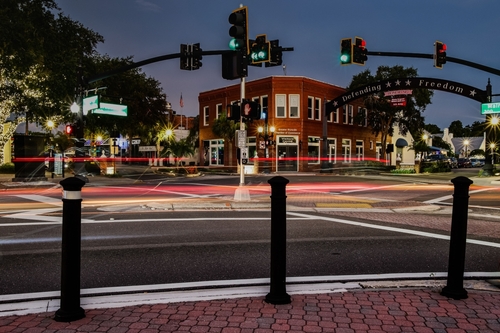
Often overshadowed by its flashier Gulf Coast neighbors, Dunedin quietly ranks among the most livable retirement towns in the U.S., thanks to a high percentage of residents aged 65 or older and a quality‑of‑life score that beats many better‑known destinations. Its historic downtown, waterfront parks, and walkable streets invite retirees to slow down without feeling isolated. Here, waterfront sunsets are part of the daily routine, and the community vibe leans toward leisurely bike rides and local festivals rather than golf cart parades. Dunedin proves that retirement living doesn’t have to be built — sometimes it just happens because the place fits.
The town’s lakeside location means fresh breezes and scenic views are never far away, which retirees consistently cite as part of its appeal. With amenities like walkable shopping and cultural events — including spring training baseball nearby — Dunedin feels active without the pressure of constant programming. That makes it ideal for people who want relaxed engagement, the kind that comes from choice rather than design. For a lot of retirees, that’s exactly what makes a place feel like home.
8. Oro Valley, Arizona
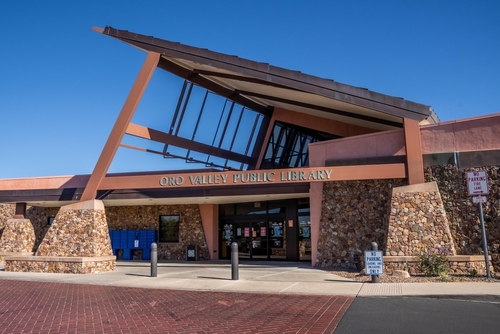
If sunny skies and low crime are on your retirement checklist, Oro Valley should be there too: it’s consistently ranked among the safest and most affluent retirement towns in the country. Nestled in the Sonoran Desert just north of Tucson, it attracts retirees who want outdoor adventure — think hiking, golf, and birdwatching — without sacrificing access to healthcare and services. The town’s safety statistics and economic stability make it feel like a place that planned for retirees even without being age‑restricted. For many, the choice here is about balanced living: active days in nature, peaceful evenings at home, and a community that values both.
Living in Oro Valley feels different than being in a retirement community: retirees here are part of the broader town fabric, not separated into gated enclaves. That can make daily life more integrated, whether that means volunteering, joining local clubs, or simply enjoying neighborhood coffee shops. The desert vistas are a bonus, but what keeps people here is that Oro Valley feels like a place to grow into, not just accelerate retirement. It’s retirement by design, but also by choice.
9. Youngtown, Arizona
Youngtown holds a quirky place in American history as the very first planned community in the U.S. built specifically for retirees. It opened in 1954 with a vision of creating a place where older adults could leave the pressures of work and focus on leisure, setting the stage for the massive retirement‑community boom that followed. Because there were no age restrictions at first, it’s funny that a place for retirees was called “Youngtown” — but the name stuck and became symbolic of an emerging lifestyle model. Today it’s still a small town, quietly reminding people that the idea of building a town around retirement is older than many realize.
Back in the ’50s, when most Americans still thought retirement meant slowing way down or moving in with family, Youngtown was thinking differently. It offered planned roads, recreational areas, and a community spirit long before del Webb made age‑restricted living a household name. That pioneering spirit drew retirees from colder states who wanted the sunshine of Arizona without sacrificing a social circle. In many ways, Youngtown became the prototype — even if it hardly resembles the mega‑communities that would follow.
10. Sun City, Arizona

Sun City, Arizona, is often credited as the first modern, large‑scale retirement community in the United States, opening in 1960. Developed by Del Webb, it offered homes, recreation, and community services designed entirely with retirees in mind, revolutionizing what retirement could look like. Golf courses, swimming pools, and social clubs weren’t extras — they were integral to the plan. Residents found a vibrant social life alongside independence, creating a model that countless other communities would copy.
The town was intentionally isolated from younger populations to maintain an adult‑only lifestyle, which allowed retirees to feel safe and catered to. The convenience of shopping, medical access, and entertainment within the community meant that daily errands became easy and social. Sun City set the standard for the “active adult” concept that still defines retirement living across the country. Its influence is visible in almost every large retirement development that followed.
11. Celebration, Florida
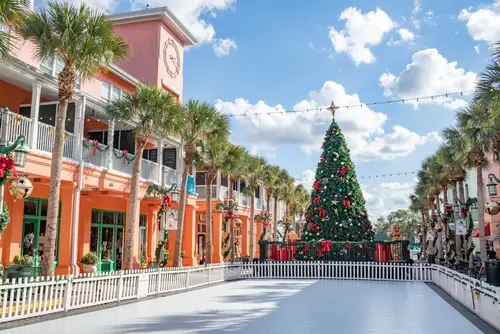
Celebration was originally built by Disney in the 1990s as a master‑planned town with an idealized “small-town” vibe, attracting retirees among other demographics. Its streetscapes, community centers, and walkable design make it appealing for those looking to age in a place that’s visually charming and socially active. Retirees are drawn to the mix of cultural events, green spaces, and easy access to nearby Orlando amenities. Unlike traditional retirement communities, it’s integrated into a larger town concept while still offering the comfort and security retirees often seek.
While Celebration isn’t exclusively for older adults, many retirees appreciate the predictable planning, strong community governance, and active neighborhood associations. It allows them to enjoy a quieter life with opportunities for engagement in arts, fitness, and social clubs. The proximity to theme parks and healthcare services adds convenience without overwhelming the calm atmosphere. Celebration demonstrates that a town can attract retirees even when it wasn’t built exclusively for them.
This post Towns Built for Retirees That Forgot About Everything Else was first published on American Charm.