
1. Texas – It’s Cheap, Until It Isn’t

Moving to Texas feels like a steal because housing is comparatively affordable, especially compared to coastal cities. But property taxes here are notoriously high, and that monthly bill sneaks up on new residents quickly. Utilities, particularly electricity during sweltering summers, can be shocking. People often underestimate just how much air conditioning will cost in a place where temperatures routinely soar above 100°F.
Beyond the bills, healthcare access can be uneven, especially in rural parts of the state. Emergency rooms in smaller towns are stretched thin, which adds stress if you have medical needs. Traffic in cities like Austin is brutal, and the commute times can eat into your free time. Suddenly, your “affordable dream” lifestyle feels a lot less dreamy.
2. Florida – Sunshine Comes at a Price

Florida seems like a paradise with no state income tax and plenty of warm weather. But the hidden costs creep in fast. Homeowners’ insurance rates are sky-high due to hurricanes, flooding, and wind damage. Many newcomers are shocked when they learn that flood insurance can add hundreds or even thousands to their annual bills.
The job market can also be a struggle outside of major cities. Many of the better-paying jobs require either specialized skills or long commutes. Seasonal population swings make the cost of living fluctuate unpredictably. What seemed like an affordable beach lifestyle can quickly feel like financial whack-a-mole.
3. Arizona – Desert Dreams, Reality Bites
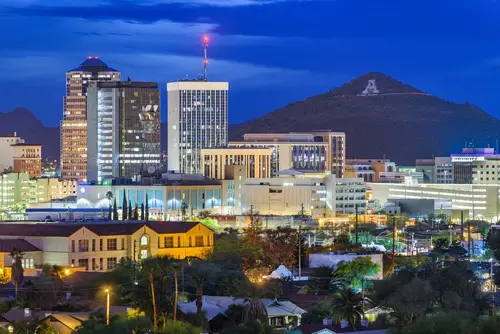
Housing in Arizona, especially outside Phoenix, can appear affordable at first glance. But scorching summers mean your electricity bills will be far from negligible. Water is another hidden cost, especially as drought conditions persist and utilities increase rates. The desert landscape also means limited green spaces and recreational options in some areas.
Healthcare access is another factor that frustrates residents. Rural Arizona often lacks adequate facilities, forcing long drives for routine care. And traffic in Phoenix and Tucson can rival much larger cities during peak hours. A move that seemed like a bargain can quickly turn exhausting and expensive.
4. Nevada – Taxes Are Low, Costs Aren’t

Nevada lures newcomers with no state income tax, making it seem like a financial no-brainer. Housing outside of Las Vegas may be reasonable, but the cost of living in metropolitan areas is creeping up fast. Utility bills, especially in the desert heat, are not insignificant. And property crime in certain neighborhoods can make affordability feel hollow.
The job market is heavily skewed toward hospitality and service industries. Salaries in these sectors often don’t match the rising cost of daily living. Residents also complain about traffic congestion and public transportation gaps. Living “cheaply” here often requires sacrifices you didn’t anticipate.
5. Tennessee – Music City, but at What Cost?

Tennessee has no state income tax, which draws many newcomers looking for affordability. However, property taxes are higher than expected in some counties. Infrastructure outside major cities can feel lacking, with potholes and long road construction projects. And healthcare quality varies widely, making routine care unpredictable.
Nashville and Memphis are rapidly gentrifying, which drives up rent and housing costs. Even suburban areas are seeing price spikes, so affordability is shrinking. Employment opportunities are unevenly distributed, leaving some residents commuting long distances. The promise of a “cheap Southern life” sometimes comes with a lot of compromises.
6. North Carolina – Scenic, but Sneaky Costs
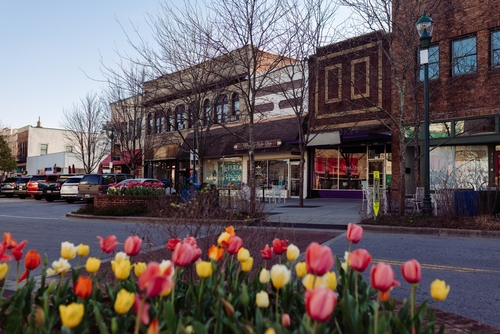
North Carolina’s mountains and coastline make it tempting for anyone wanting scenic affordability. Yet, property taxes are middling, and homeowners insurance can be surprisingly steep along the coast. Utility costs, especially during summer and winter extremes, are often underestimated. Local governments sometimes have smaller budgets, affecting schools and public services.
The job market can be challenging if you’re not in tech, healthcare, or education. Raleigh and Charlotte are expensive enough that the “cheap” label feels misleading. Commuting infrastructure outside major hubs is limited, so owning a car is often a must. New residents sometimes feel trapped between high costs and limited opportunities.
7. Georgia – Southern Charm, Southern Surprises

Atlanta gets all the hype, but other parts of Georgia appear affordable at first glance. Property taxes are moderate, but insurance premiums can climb quickly in areas prone to storms. Traffic in Atlanta alone can make your daily commute exhausting and time-consuming. Weather events like hurricanes and flooding also carry hidden risks.
Rural areas have fewer job prospects, pushing many residents toward urban centers. Healthcare access can be inconsistent outside of major cities. Additionally, local taxes and fees can catch newcomers off guard. What seemed like a bargain can feel like a trap when lifestyle and logistics add up.
8. Missouri – Midwestern Price Tags, Hidden Expenses
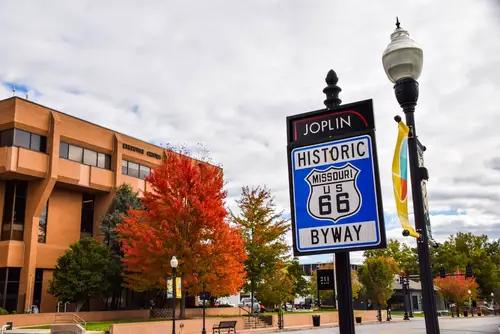
Missouri offers some of the most affordable housing in the Midwest. But property taxes, while not extreme, combine with rising utility costs to make budgeting tricky. Winters can be brutally cold, increasing heating bills substantially. Rural areas often struggle with slow internet and limited services.
Cities like St. Louis and Kansas City have pockets of affordability but also pockets of crime. Job opportunities in smaller towns are limited, often requiring a commute. Health insurance options may not be competitive outside urban hubs. The “Midwest bargain” lifestyle isn’t always as straightforward as it seems.
9. Alabama – Southern Deals, Southern Drawbacks
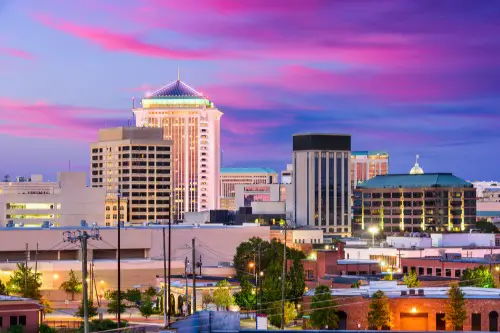
Alabama draws attention with low housing costs and a warm climate. However, property taxes are low for a reason—schools and public services are often underfunded. Healthcare access is limited outside of Birmingham and Montgomery. Severe weather, like tornadoes, can also raise insurance costs unexpectedly.
The job market is concentrated in a few urban centers, leaving rural areas struggling. Utility bills, particularly in the summer, can surprise newcomers. Roads and infrastructure in smaller towns may feel outdated. Many who move for affordability find themselves trading comfort and convenience.
10. Oklahoma – Flat Costs, Rising Frustration
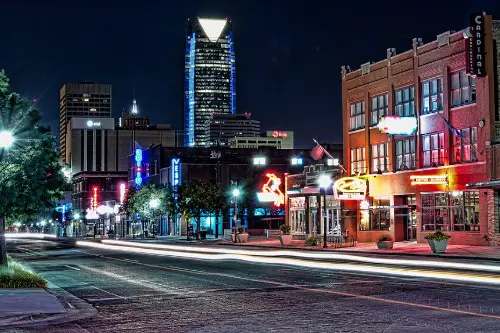
Oklahoma boasts a low cost of living, especially for housing. But energy bills are higher than expected, particularly during hot summers. Severe weather, including tornadoes, adds both financial and mental stress. Rural areas often have limited access to quality healthcare and services.
Jobs are concentrated in a few industries, and wages can lag behind living expenses. Transportation infrastructure is often car-dependent, adding another cost layer. Crime rates in certain cities are above the national average. The “cheap state” dream can feel like a compromise you didn’t plan for.
11. Kentucky – Rolling Hills, Hidden Hills
Kentucky’s rural charm makes it appealing for newcomers seeking affordability. Property taxes are low, but utilities and heating costs can make winter months tough. Healthcare facilities are sparse in rural regions. Local infrastructure, including roads and broadband access, is inconsistent.
Job markets outside Louisville and Lexington are limited, leaving some residents commuting long distances. Insurance rates can spike after natural disasters like floods. Some areas have higher-than-expected crime rates. Residents often realize the “cheap life” comes with trade-offs in convenience and safety.
12. Indiana – Affordable Until Reality Hits
Indiana lures residents with low housing costs and relatively cheap day-to-day living. But winters can be long and harsh, with heating bills that offset housing savings. Rural areas have fewer amenities and limited healthcare access. Property taxes and insurance costs vary widely, sometimes surprisingly high.
Employment opportunities are concentrated in industrial or specialized sectors. Commutes in larger cities like Indianapolis can be frustrating, and public transportation options are limited. Many newcomers underestimate the cost of maintaining a car for daily travel. The “Midwestern bargain” can quickly feel like a trap when hidden costs appear.
This post Why Moving to These “Affordable” States Feels Like a Trap was first published on American Charm.

