
1. Denver, Colorado
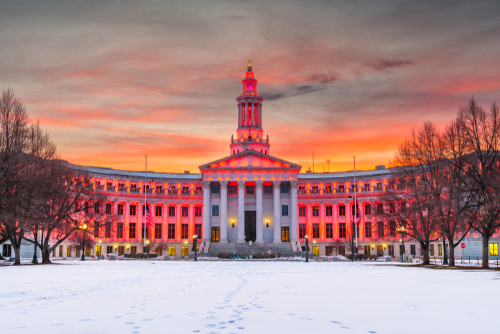
Denver attracts people with its proximity to the Rockies and its outdoors-first reputation. The job market feels stable, especially in tech, healthcare, and aerospace. Sunshine is plentiful, and the city sells a healthy, active lifestyle. Many expect easy access to nature without sacrificing urban comfort.
After a year, housing prices often feel disconnected from local salaries. Wildfire smoke has become a recurring late-summer issue, limiting outdoor activities. Winters can feel long and surprisingly harsh for newcomers. The mountains remain beautiful, but daily life can feel more stressful than expected.
2. Austin, Texas
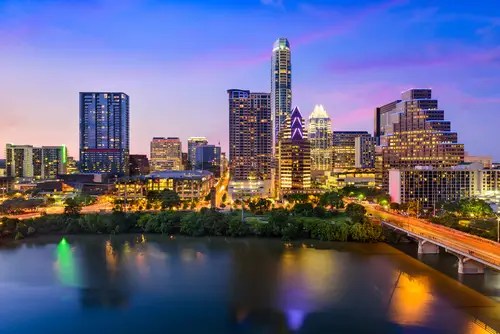
People move to Austin for the music scene, tech jobs, and the promise of Texas-sized opportunity. It feels young, creative, and business-friendly, especially for people leaving more expensive coastal cities. Festivals, food trucks, and nightlife make the city feel energetic and social. At first glance, it looks like a place where work and fun naturally balance.
A year later, many newcomers are surprised by how high property taxes can be despite no state income tax. Traffic has grown faster than infrastructure, turning simple commutes into daily frustrations. Summers regularly bring weeks of triple-digit heat that limit outdoor life. What once felt vibrant can start to feel crowded, hot, and costly.
3. Seattle, Washington
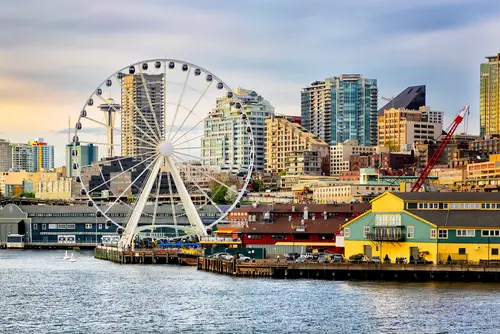
Seattle pulls people in with high-paying tech jobs and striking natural scenery. Water, mountains, and evergreen forests create a dramatic first impression. The city’s reputation for innovation and progressive culture is appealing. Many arrive expecting career growth paired with outdoor adventure.
Long, gray winters can take a toll on mental health more than newcomers anticipate. Rent and home prices quickly absorb even strong salaries. Traffic congestion is intense, especially around bridges and bottlenecks. Over time, the city can feel isolating and relentlessly expensive.
4. San Francisco, California
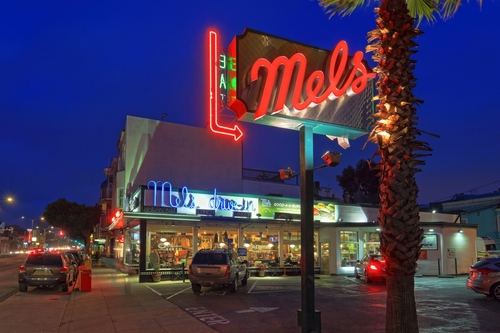
San Francisco markets itself as the heart of tech innovation and global influence. Mild weather and iconic scenery add to its appeal. The city feels historic, artistic, and culturally important. For ambitious professionals, it often feels like a career milestone.
After a year, the housing reality becomes impossible to ignore. Even high earners struggle with small living spaces and sky-high rent. Visible homelessness and property crime affect daily routines. What felt inspiring at first can start to feel stressful and unsustainable.
5. Los Angeles, California
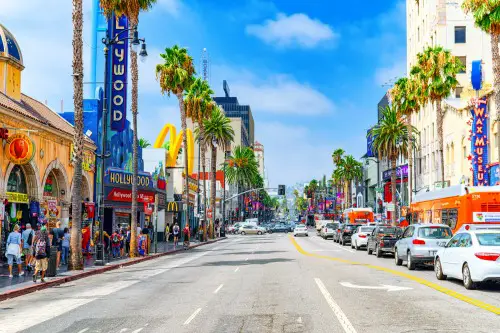
Los Angeles attracts people with dreams of entertainment careers and creative freedom. The weather, beaches, and cultural diversity are powerful draws. There’s a sense that anything is possible with enough hustle. Many move expecting glamour mixed with opportunity.
Daily life quickly becomes dominated by traffic and long commutes. Housing costs are high even far from the coast or city center. Building a social circle can be surprisingly difficult. The dream often clashes with the grind of living there.
6. Nashville, Tennessee

Nashville draws transplants with its music industry reputation and Southern charm. It feels lively, friendly, and full of opportunity for creatives. The city promotes itself as affordable compared to larger metros. Many arrive expecting culture without big-city stress.
Rapid growth has pushed housing prices much higher than expected. Infrastructure has struggled to keep up with population increases. Tourism-heavy neighborhoods can feel overwhelming year-round. After a year, the city can feel less livable than it first appeared.
7. Phoenix, Arizona
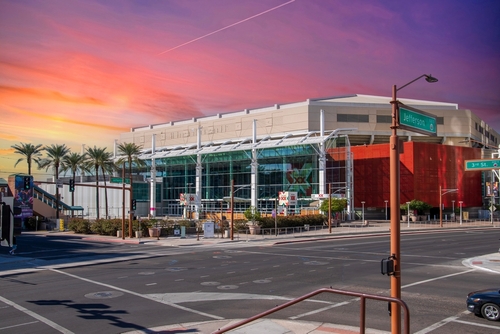
Phoenix appeals to people seeking sunshine, affordability, and job growth. Winters are mild and attract people fleeing cold climates. Housing once felt like a bargain compared to coastal cities. The city promises space and modern amenities.
Summer heat is far more intense and longer-lasting than many expect. Outdoor activities become limited for months at a time. Water concerns and rising utility costs create anxiety. What felt sunny and spacious can start to feel oppressive.
8. Portland, Oregon
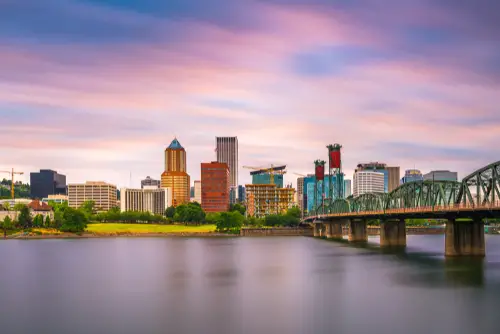
Portland attracts people with its quirky culture and emphasis on sustainability. The food scene and creative energy feel authentic and local. Access to forests, mountains, and the coast is a major selling point. Many expect a relaxed, values-driven lifestyle.
Persistent gray weather affects mood more than anticipated. Rising housing costs strain budgets, especially for service workers. Homelessness and public safety concerns are more visible than newcomers expect. The charm can fade under everyday challenges.
9. Miami, Florida
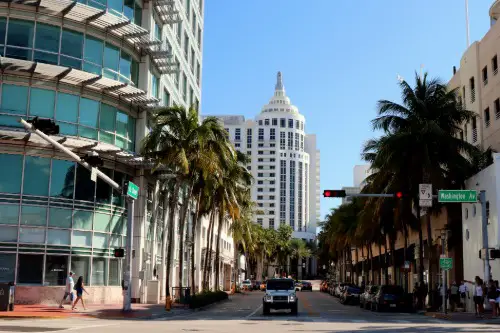
Miami draws people with beaches, nightlife, and year-round warmth. The city feels international, vibrant, and fast-paced. No state income tax appeals to high earners. Many arrive expecting a permanent vacation atmosphere.
Humidity and heat can feel relentless for much of the year. Hurricanes and rising insurance costs add stress. Housing prices have surged dramatically in recent years. Over time, the lifestyle can feel exhausting and expensive.
10. New York City, New York
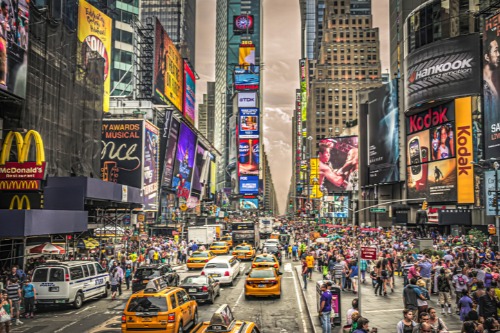
New York attracts ambitious people with unmatched career and cultural opportunities. The energy feels electric and inspiring. Public transportation and walkability are major draws. Many move believing the sacrifice is worth it.
High rent and small apartments wear people down over time. Noise and crowds become daily stressors rather than excitement. Work-life balance is difficult to maintain. After a year, burnout is common.
11. Boston, Massachusetts
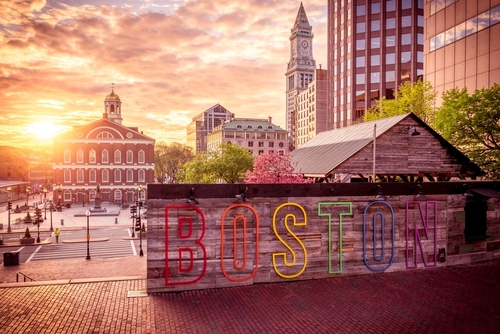
Boston appeals with its history, universities, and strong job market. It feels intellectually driven and career-focused. Public transit and walkable neighborhoods attract urban-minded newcomers. Many expect a compact, manageable city.
Housing costs rival much larger metros. Winters are long, cold, and snowy. The social scene can feel insular to outsiders. What felt charming can start to feel restrictive.
12. San Diego, California
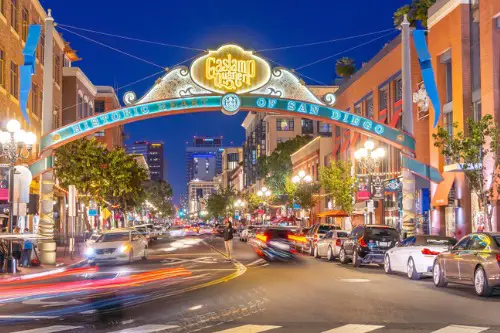
San Diego attracts people with near-perfect weather and coastal living. The city feels relaxed yet polished. Beaches and outdoor activities are central to daily life. Many expect long-term happiness through lifestyle alone.
Housing costs are far higher than newcomers anticipate. Wages often lag behind the cost of living. Traffic and sprawl complicate daily routines. The paradise comes with financial strain.
13. Raleigh, North Carolina
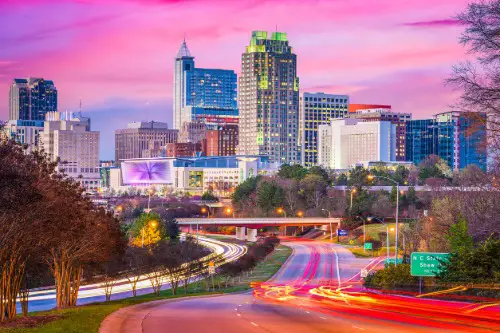
Raleigh draws people with job growth and a reputation for affordability. The Research Triangle offers strong tech and biotech opportunities. The area feels family-friendly and clean. Many expect steady growth without major downsides.
Housing prices have risen quickly as demand increases. Car dependence is greater than expected. Cultural offerings can feel limited compared to larger cities. Over time, it can feel quieter than hoped.
14. Boise, Idaho
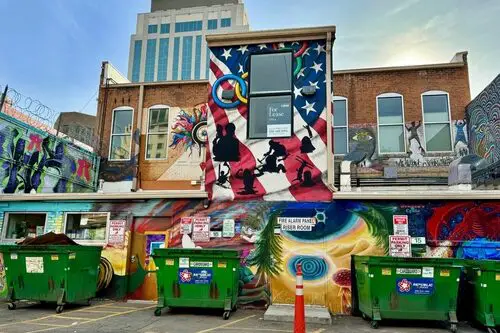
Boise attracts people seeking affordability and outdoor access. It feels safe, clean, and community-oriented. Proximity to nature is a major draw. Many expect a slower, simpler lifestyle.
Housing prices have risen sharply in recent years. Wages haven’t kept pace with costs. Cultural and dining options are more limited than expected. Small-city life can feel isolating.
15. Las Vegas, Nevada
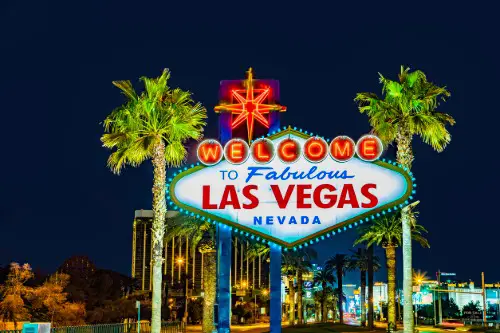
Las Vegas draws people with no state income tax and relatively affordable housing. Entertainment and nightlife make the city feel exciting. Job growth in hospitality and construction feels promising. Many expect fun mixed with opportunity.
Extreme heat limits outdoor life for much of the year. The economy is heavily tourism-dependent, creating job instability. Neighborhoods can feel disconnected from the Strip. What felt thrilling can start to feel hollow.
16. Dallas, Texas
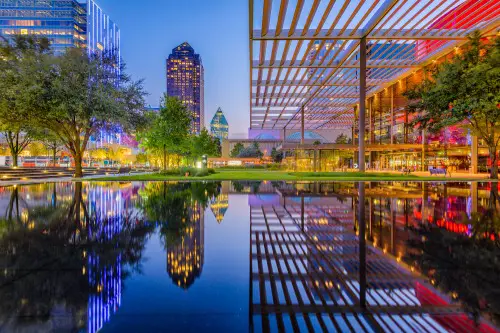
Dallas attracts newcomers with a strong job market, no state income tax, and a reputation for corporate opportunity. The city feels polished, modern, and business-focused. Housing initially appears more attainable than in coastal metros. Many expect a smooth, comfortable upgrade in lifestyle.
After a year, sprawl becomes a daily burden that affects time and energy. Traffic congestion rivals much larger cities despite wide highways. Summers are intensely hot, limiting outdoor activities for months. The city can start to feel more transactional than fulfilling.
17. Tampa, Florida
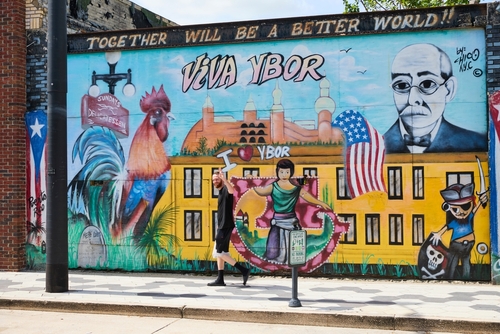
Tampa draws people with waterfront living, warm weather, and rapid population growth. It feels like a quieter alternative to Miami with similar perks. No state income tax adds to its appeal for remote workers. Many arrive expecting affordability with beach access.
Rents and home prices have risen quickly as demand surges. Flood insurance and hurricane anxiety become part of everyday planning. Job opportunities are more limited outside healthcare and tourism. The slower pace can begin to feel like stagnation.
18. Salt Lake City, Utah
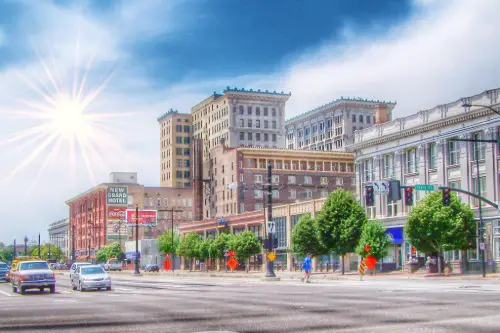
Salt Lake City attracts people with mountain access and a clean, organized feel. The city feels safe, growing, and economically stable. Outdoor recreation is deeply integrated into daily life. Many expect balance between career, family, and nature.
Housing prices have climbed faster than local wages. Air quality issues during winter inversions surprise many newcomers. Cultural and nightlife options feel limited over time. What felt peaceful can start to feel restrictive.
19. Atlanta, Georgia
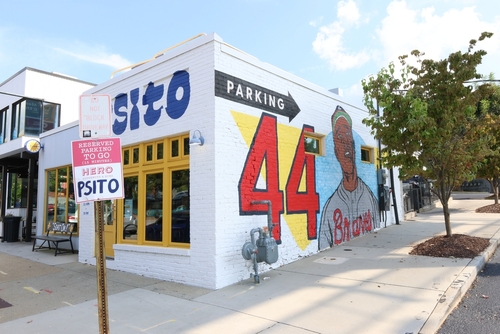
Atlanta pulls people in with job growth, diversity, and cultural influence. The city feels energetic and full of opportunity. Housing seems attainable compared to other major metros. Many expect Southern charm paired with big-city advantages.
Traffic quickly becomes one of the biggest frustrations. Public transit limitations increase car dependence. Sprawl makes social life harder to maintain. After a year, the city can feel exhausting to navigate.
20. Minneapolis, Minnesota
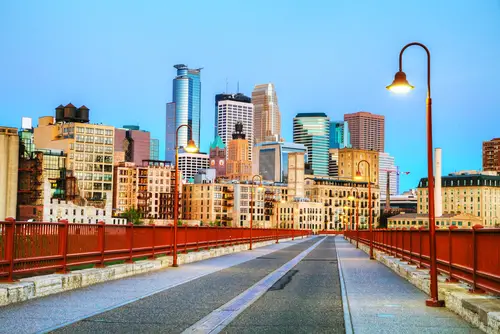
Minneapolis attracts people with strong job stability and quality of life rankings. The city feels clean, organized, and community-focused. Cultural institutions and parks are impressive. Many expect affordability with urban sophistication.
Winters are longer and harsher than most newcomers imagine. Seasonal isolation affects mood and routines. Housing costs have increased faster than expected. The city’s appeal can feel heavily weather-dependent.
21. Charleston, South Carolina
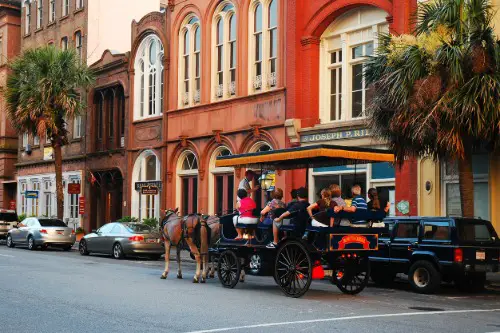
Charleston draws people with historic charm and coastal beauty. The city feels picturesque and culturally rich. Food and tourism create a lively atmosphere. Many expect relaxed living with Southern hospitality.
Tourism crowds dominate daily life more than expected. Housing costs are high relative to local wages. Flooding and hurricane risks add ongoing stress. The charm can fade under practical concerns.
22. San Jose, California
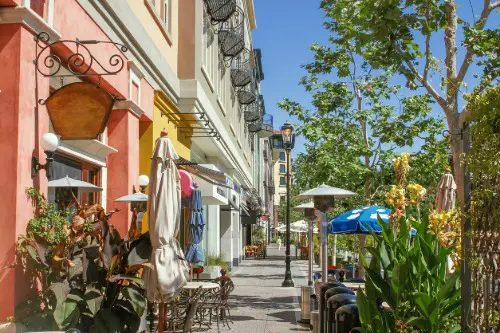
San Jose attracts people with Silicon Valley job opportunities. Salaries appear high and career growth feels promising. The city feels safe and family-oriented. Many expect tech wealth to offset costs.
Housing prices quickly overwhelm even strong incomes. The city lacks the cultural energy newcomers expect. Traffic and long commutes dominate daily schedules. After a year, it can feel expensive and uninspiring.
23. Columbus, Ohio

Columbus draws people with affordability and steady job growth. The city feels approachable and easy to settle into. Universities and healthcare drive economic stability. Many expect comfort without major trade-offs.
Cultural variety feels limited over time. Winters are gray and damp, affecting morale. Career ceilings can feel lower than expected. The city may start to feel too small for long-term ambition.
24. Bend, Oregon
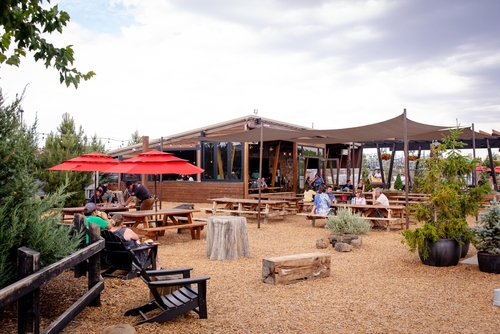
Bend attracts people with outdoor access and scenic beauty. The town feels active, healthy, and community-focused. Remote workers see it as an escape from big cities. Many expect balance and tranquility.
Housing prices are extremely high for a small market. Job options outside tourism and remote work are limited. Seasonal crowds strain local infrastructure. Small-town living can feel less sustainable than imagined.
25. Asheville, North Carolina
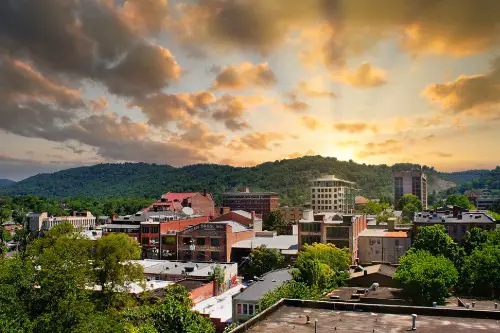
Asheville draws people with mountains, art, and a laid-back vibe. The city feels creative and nature-driven. Craft breweries and local culture add charm. Many expect affordability with character.
Housing prices have surged beyond local incomes. Tourism dominates the economy and daily life. Job diversity is limited for professionals. What felt soulful can start to feel constrained.
This post Why Americans Move to These 25 “Perfect” Cities and Hate Them a Year Later was first published on American Charm.

