
1. Prescription Drug Ads on TV
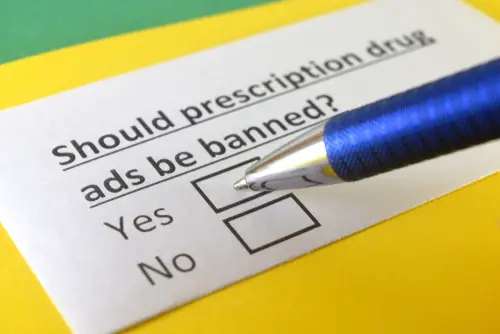
American television regularly features advertisements for prescription medications. These ads list conditions, benefits, and a long string of side effects. They often encourage viewers to ask their doctor about a specific drug. Locals are used to seeing them during prime time.
Visitors stare because only a few countries allow direct-to-consumer prescription drug advertising. In the U.S., regulations permit it as long as risks are disclosed. This has made pharmaceutical ads a normal part of everyday media. The practice feels jarring if you’ve never seen it before.
2. Drinks Packed With Ice
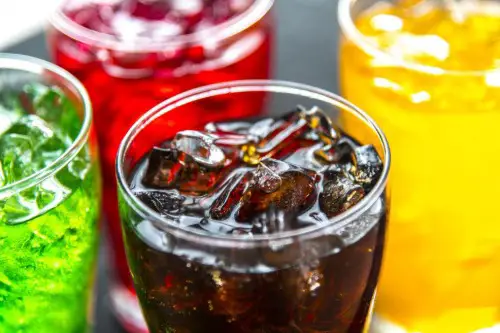
Order a soda or water in the U.S. and it will likely arrive more ice than liquid. Restaurants routinely fill glasses to the brim with ice cubes before adding the drink. Cold beverages are treated as the default, even in winter. Many Americans won’t think twice about it.
Visitors stare because in many countries, drinks are served cool or room temperature, with little or no ice. Ice machines are widespread in American restaurants and are considered a standard convenience. There’s also a long-standing belief that ice makes drinks more refreshing. That combination makes the icy glass feel normal to locals and excessive to guests.
3. Bathroom Stalls With Gaps

Public restroom stalls in the U.S. often have noticeable gaps around the doors. You can usually see feet, light, and sometimes movement from the outside. The doors also tend to sit high off the ground. Americans navigate this setup without much comment.
Visitors stare because stalls in many countries offer full privacy with floor-to-ceiling doors. In the U.S., the design is cheaper, easier to clean, and allows staff to quickly check occupancy. It also discourages loitering, which is part of the original rationale. Understanding the practical reasons doesn’t always make it feel less strange.
4. Chatting With Strangers
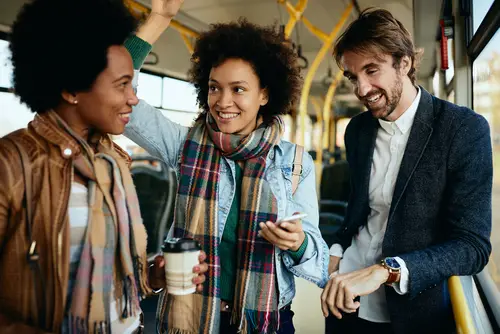
Americans frequently make small talk with people they don’t know. This can happen in grocery lines, elevators, or while waiting for a bus. Comments about the weather or a casual compliment are common openers. Most locals see it as polite and friendly.
Visitors stare because in many cultures, talking to strangers is reserved for specific situations. In the U.S., friendliness is often expressed verbally rather than through distance. Silence can be interpreted as awkward instead of respectful. That difference in social expectations is immediately noticeable.
5. Massive Portion Sizes

Restaurant portions in the U.S. are famously large. Plates often arrive loaded with enough food for two meals. Leftovers are common, and taking them home is expected. No one blinks when a meal comes with multiple sides.
Visitors stare because portions in many countries are smaller and more standardized. In the U.S., generous servings are tied to competition and value perception. Restaurants want customers to feel they’re getting their money’s worth. That business logic shows up clearly on the plate.
6. Drive-Thru Everything
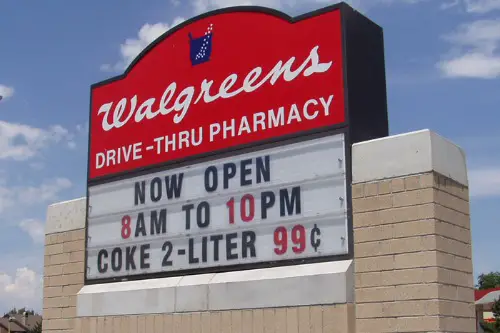
Drive-thrus in the U.S. go far beyond fast food. You can find them at pharmacies, banks, coffee shops, and even liquor stores. Many Americans barely leave their cars to run errands. It’s all about speed and convenience.
Visitors stare because this level of car-centered design is unusual elsewhere. Suburban sprawl and long distances make driving a daily necessity for many Americans. Businesses adapt by bringing services directly to the vehicle. The result can feel both efficient and excessive at the same time.
7. Aggressive Air Conditioning
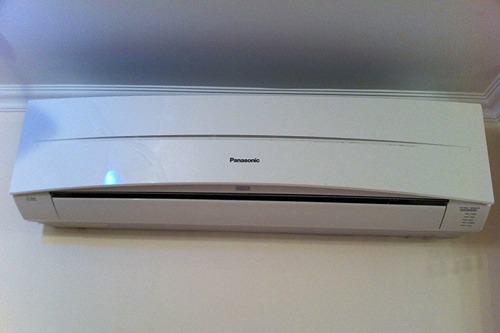
Indoor spaces in the U.S. are often kept very cold. Restaurants, offices, and stores blast air conditioning even on mild days. People regularly carry jackets in summer for indoor use. This is treated as completely normal.
Visitors stare because indoor temperatures elsewhere tend to be closer to the outdoor climate. Cheap energy and widespread HVAC systems made heavy air conditioning common in the U.S. It’s also associated with comfort and productivity. The temperature shock can still be surprising.
8. Wearing Shoes Indoors
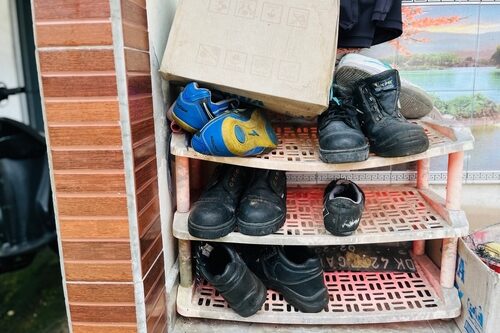
Many Americans keep their shoes on inside the house. This includes walking on carpet and sitting on furniture. Hosts rarely ask guests to remove their shoes. It’s seen as casual and convenient.
Visitors stare because removing shoes indoors is the norm in many cultures. In the U.S., homes are often designed with durable flooring and regular vacuuming in mind. The habit is also tied to quick comings and goings. That practicality can clash with expectations about cleanliness.
9. Tipping for Almost Everything
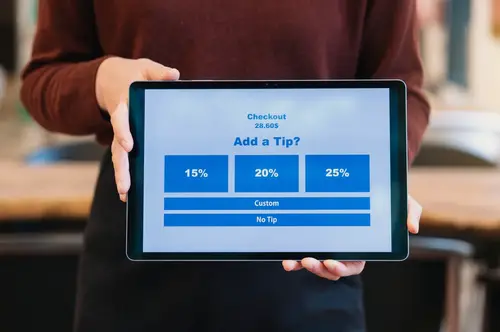
Americans tip not just servers, but bartenders, baristas, delivery drivers, hair stylists, and even hotel housekeeping. In many places, the tip is expected rather than optional, and it often shows up as a prompt on a tablet before you even get your coffee. Rates around 15 to 25 percent are common for sit-down meals, with different norms for other services. For locals, it’s muscle memory built into daily life.
Visitors stare because in much of the world, service staff are paid a full wage and tipping is minimal or nonexistent. In the U.S., federal law allows tipped workers to earn a lower base wage, which makes gratuities a core part of their income. That legal structure explains why skipping a tip can feel like breaking a rule, not making a statement. Once you know the reason, the awkwardness makes a lot more sense.
10. Free Refills as a Right
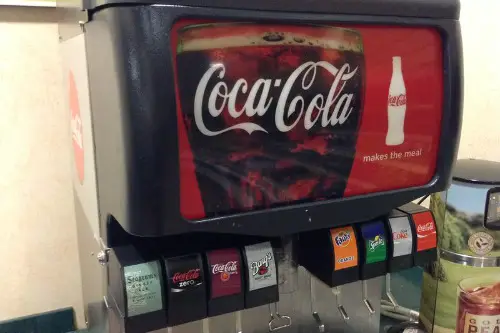
At many American restaurants, refills on soda, coffee, or tea are free. Servers will top off your glass without being asked. Customers often expect unlimited refills as part of the meal. This applies especially to soft drinks.
Visitors stare because refills usually cost extra elsewhere. In the U.S., the low cost of fountain drinks makes free refills profitable. It’s another way restaurants signal generosity and value. What feels like a perk to locals can feel excessive to guests.
11. Using First Names Immediately

Americans tend to use first names very quickly. This can happen in workplaces, shops, or medical offices. Titles and formal address are often skipped. It’s meant to create ease and equality.
Visitors stare because formality carries more weight in many cultures. Using a first name right away can feel overly familiar elsewhere. In the U.S., informality is often linked to friendliness rather than disrespect. That cultural shortcut stands out fast.
This post The Everyday Things Americans Do That Make Visitors Stare was first published on American Charm.

