
1. Endless Roads That Go Nowhere
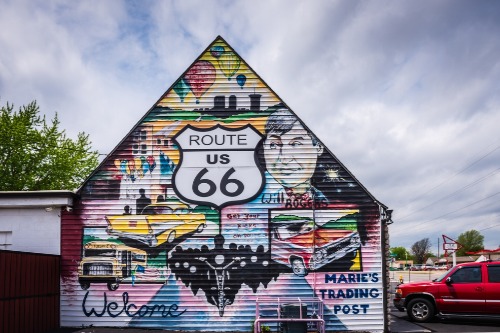
Driving across the U.S. sounds romantic, right? But what nobody really warned you about is just how vast and empty some stretches can be. In states like Nevada or Montana, you can drive for hours without seeing a single gas station or town. It’s beautiful, but it’s also a little unnerving if your car breaks down.
The scale can mess with your sense of time. You might plan a two-hour trip and end up feeling like you’re lost in another planet. Cell service is patchy at best, which makes navigation a game of luck sometimes. And roadside motels? They exist, but expect quirky, isolated experiences.
2. Tipping Is Basically Mandatory
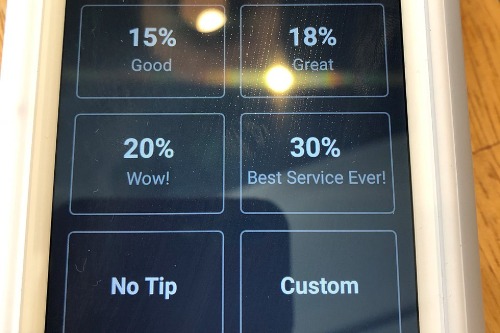
Restaurants might look casual, but tipping isn’t optional in the U.S. Waitstaff rely on tips for most of their income, so leaving 15–20% is standard etiquette. Forgetting can spark awkward stares or outright anger. It’s something visitors from countries with service-included pricing aren’t prepared for.
The same goes for bars, taxis, and even hotel housekeeping. People often assume service is included in the price, but it rarely is. You end up doing quick mental math at every meal or ride. It’s small, but it adds a level of social stress that catches a lot of travelers off guard.
3. Food Portions Are Wildly OversIZED

The U.S. is famous for big servings, and it’s not an exaggeration. Meals at many restaurants can be enough to feed two or three people. Breakfast platters, fast-food combos, and even salads are enormous. For anyone used to smaller portions, it’s both a treat and a shock.
This doesn’t just affect your stomach—it impacts your wallet too. Even though the food may seem cheap, you end up paying for a lot more than you planned. Leftovers are inevitable, which can be fun or frustrating depending on your lodging situation. And portion sizes vary wildly by region, which keeps things unpredictable.
4. Sales Tax Isn’t Included in Prices

You think you’re paying $20 for something, but nope—it’s $21.50 once tax is added. Each state sets its own rates, and local municipalities can tack on extra percentages. This means a simple shopping trip can turn into a math lesson.
Online pricing can be even trickier. Some stores display pre-tax amounts, while others show the total. It’s easy to underestimate the cost of living here. Tourists are often caught off guard when their bills come higher than expected.
5. Healthcare Costs Are Shocking

Even minor medical issues can get expensive fast. An urgent care visit or prescription can cost hundreds if you don’t have insurance. Emergency rooms often hit thousands for treatments that would be cheap elsewhere. Health insurance is almost mandatory to avoid financial disaster.
It’s not just the price—it’s the complexity. Bills can come in pieces, with different charges from the hospital, doctors, and labs. Insurance networks limit where you can go, adding another layer of stress. Many Americans plan their lives around avoiding medical debt, which can be surprising for outsiders.
6. Public Transport Can Be Nonexistent
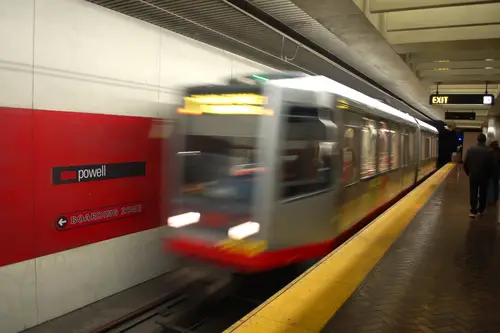
In many American cities, cars aren’t optional—they’re essential. Unlike Europe or Japan, public transit outside major metro areas is minimal. Missing a bus or train can mean hours of waiting or walking. Cities like Los Angeles are infamous for this car-dependence.
Even in cities with decent transit, systems are often slow or confusing. Schedules are inconsistent, and coverage can be patchy. For someone used to hopping trains every few minutes, it’s a real adjustment. Relying on apps helps, but planning trips takes effort and patience.
7. Weather Extremes Are Mind-Blowing
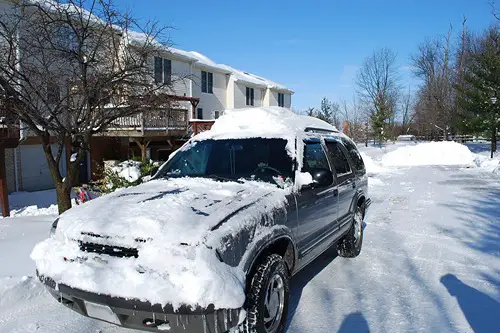
Depending on where you are, the weather can feel like a different country altogether. Tornadoes, hurricanes, blizzards, and heat waves can all happen in the U.S. And they’re not just seasonal—some regions experience unpredictable swings. It’s a lot to keep track of if you’re traveling.
Even everyday weather can be intense. Summer humidity in the Southeast or winter snow in the Midwest can make simple errands a challenge. Infrastructure is built to handle extremes, but locals always stress preparedness. Packing appropriately isn’t just practical—it’s survival.
8. Cultural Norms Vary Widely by Region

Say “hello” in one state and you might get a cheerful smile; say it in another and you could get a blank stare. Social customs, politics, and even conversation styles differ dramatically across regions. People in the Midwest are famously polite, while those in New York can seem brusque. Understanding context is key to avoiding awkward moments.
Food, entertainment, and fashion vary too. Southern BBQ differs from Texas BBQ, and a pizza in Chicago is nothing like one in New York. The accents alone can confuse visitors. You quickly learn that “America” isn’t a single culture—it’s a patchwork of many.
9. Guns Are Everywhere

Firearms are much more prevalent than most visitors expect. States vary widely in laws, but seeing a gun at a store, event, or even carried openly isn’t uncommon. This can be intimidating if you come from a country with strict gun control. It’s a reminder that personal safety norms differ greatly here.
The culture around guns also affects news, politics, and daily life. Debates about safety, hunting, and self-defense are deeply embedded in communities. Tourists may be surprised by how casually some Americans discuss firearms. It’s a side of life that requires awareness and discretion.
10. Tension Between Urban and Rural Life
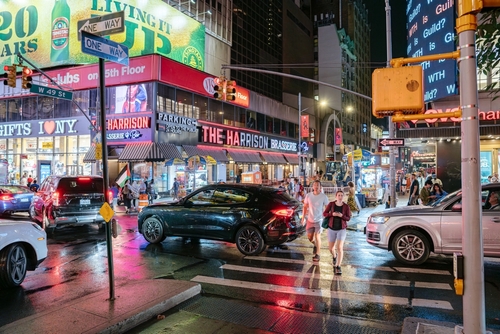
Big cities like New York or San Francisco often feel like a different planet from rural America. Infrastructure, lifestyle, and even access to goods can be worlds apart. A weekend road trip might expose you to stark contrasts in income, technology, and social values.
This divide also shows up in politics and culture. Cities tend to lean progressive, while rural areas are often more conservative. Visitors may notice the differences in attitudes, architecture, and pace of life. It can be disorienting but also fascinating to experience both extremes in a short distance.
11. Work Culture Is Intense

Americans often work longer hours than people in many other countries. Paid vacation days are limited compared to Europe, and many people rarely take their full allotment. Work-life balance is more aspirational than the norm. You’ll notice a strong culture of hustle in cities and corporate jobs.
Even outside offices, productivity is emphasized. Restaurants, retail, and gig economy jobs often expect quick turnarounds and high availability. This intensity can be surprising if you’re used to a slower pace. It’s not universal, but it’s a common aspect of daily life that catches newcomers off guard.
This post The Version of America Nobody Really Warned You About was first published on American Charm.

