1. Political and Social Uncertainty

Rapidly shifting policies, economic instability, and societal polarization create a sense of unpredictability. People often hesitate to make long-term plans because the rules of the game feel unstable. This uncertainty can freeze decision-making and stifle ambition. When the future feels uncontrollable, even small steps forward feel risky.
The stress isn’t just theoretical—it’s practical. Tax policies, healthcare changes, and regional governance impact housing, employment, and security. Feeling powerless in the face of these forces contributes to a broader sense of stagnation. Many Americans describe a “waiting game” mentality, where life can’t move forward until the world stabilizes.
2. Job Insecurity and Gig Economy Uncertainty

The traditional career ladder is disappearing, replaced by unstable gig work or short-term contracts. Even positions that once felt “secure” now come with threats of layoffs or reduced hours. People stay in jobs they dislike because the risk of unemployment feels too high, even when it stifles growth. That fear of instability quietly locks many in routines they resent.
The gig economy might seem flexible, but it often comes without benefits, healthcare, or retirement security. The lack of long-term stability means people hesitate to make big life changes like moving cities or starting a family. It creates a constant mental tug-of-war between survival and ambition. Eventually, the uncertainty itself becomes a trap.
3. Housing Costs That Outpace Wages
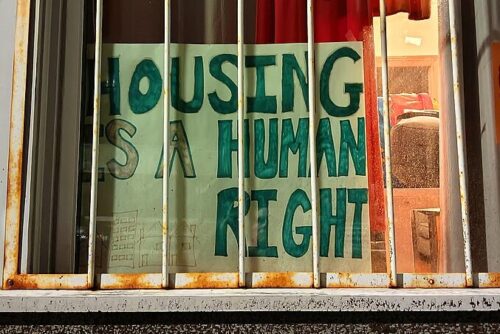
Buying a home is increasingly out of reach for many Americans, while renting continues to consume disproportionate portions of income. Even middle-class earners in smaller cities struggle to afford safe, stable housing. The dream of owning property—a traditional marker of progress—can feel impossible, making life feel like a holding pattern. This pressure can lead to feelings of failure, even when circumstances are beyond personal control.
Rising housing costs also affect mobility. People can’t easily relocate for better jobs or opportunities because the financial barrier is too high. This anchors them in neighborhoods or cities that don’t align with their aspirations. Over time, this lack of choice reinforces a feeling of being stuck.
4. Healthcare Access Anxiety

Medical expenses are a looming worry, even for those with insurance. A single emergency can lead to thousands in debt, making people hesitant to seek care or prioritize preventive measures. Chronic health conditions that aren’t adequately managed also limit mobility, energy, and confidence. Americans often feel trapped between staying healthy and staying financially afloat.
The stress of potential healthcare crises creates mental and emotional drag. People may avoid job changes or new ventures to maintain existing insurance coverage. This constant balancing act wears on motivation and life satisfaction. The result is a pervasive sense of vulnerability that’s rarely discussed openly.
5. Social Media Comparison Fatigue

Scrolling through curated images of friends, celebrities, or influencers fuels a sense of inadequacy. Everyone seems to be achieving more, earning more, and living more exciting lives. This comparison trap amplifies feelings of stagnation and dissatisfaction with one’s own circumstances. Social media becomes a magnifying glass for perceived failure rather than inspiration.
It’s not just vanity—it’s psychological. Constant exposure to idealized lifestyles rewires expectations and heightens anxiety. Even when people know the content is staged, their brains respond emotionally. That pressure to “keep up” quietly enforces a cycle of feeling stuck and behind.
6. Student Loan Burden
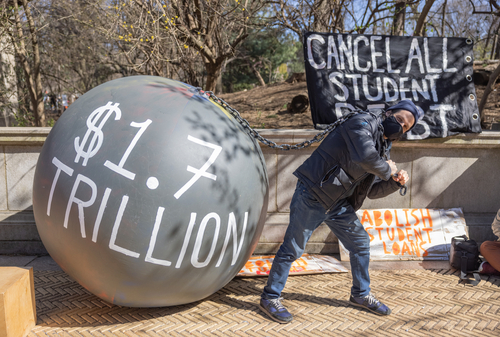
Millions of Americans are chained to student loans, often for decades. The weight of repayment can influence major life decisions like buying a home, starting a family, or changing careers. Young adults especially feel trapped, as the financial freedom they expected after graduation never materializes. This debt shapes identity and opportunity in ways that are hard to escape.
It’s more than just a monetary issue—it’s emotional and social. Student debt can delay independence, strain relationships, and increase stress. People often work jobs below their skill level simply to ensure consistent payments. The constant presence of this debt fosters a chronic sense of being “stuck” in life.
7. Lack of Career Mobility

Even with education and experience, many workers find themselves in dead-end roles. Promotions are limited, pay raises minimal, and skills may not be transferable. When the path forward isn’t clear, daily routines feel repetitive and purposeless. This stagnation makes people question whether effort will ever translate into progress.
Career immobility is compounded by regional job markets and industry shifts. Moving to a new city may seem like the answer, but housing costs, family obligations, and other constraints make it impractical. Even motivated, talented professionals feel boxed in. That constant tension between ambition and opportunity feeds a deep sense of frustration.
8. Family Obligations and Caregiving

Caring for children, aging parents, or other family members can severely limit life flexibility. Many people delay pursuing personal goals because family responsibilities take precedence. This creates a subtle sense of being stuck, as sacrifices accumulate over years. Emotional labor often goes unnoticed, but it weighs heavily on decision-making and energy.
Family obligations can also limit geographic and career mobility. A desire to provide stability for loved ones often means staying in less-than-ideal jobs or locations. The pressure to balance duty and personal fulfillment is relentless. Over time, this responsibility can feel like an invisible anchor keeping people from change.
9. Mental Health Struggles

Anxiety, depression, and chronic stress are major contributors to feeling trapped. Mental health challenges can reduce energy, focus, and motivation, making even small changes feel overwhelming. Stigma often prevents people from seeking help, leaving them to cope alone. Daily life can feel like swimming through molasses when internal battles go unseen.
Poor mental health also affects decision-making and risk tolerance. People avoid opportunities that might improve their situation because fear or self-doubt dominates. Without intervention or support, the cycle reinforces itself. Feeling “stuck” is often less about external circumstances and more about internal limitations.
10. Cultural Pressure to Appear Successful

Society often equates progress with visible achievements: home ownership, promotions, fancy vacations. When life doesn’t match these milestones, people feel like failures—even when they’re managing well by personal standards. That external pressure fosters stress and prevents honest reflection about what matters. Many stay in jobs, cities, or relationships just to maintain appearances.
This focus on perception over personal fulfillment limits risk-taking and experimentation. People may reject unconventional paths or passion projects to meet societal expectations. The gap between public image and private reality widens over time. The resulting dissatisfaction quietly enforces a feeling of being stuck.
11. Endless Financial Pressure

Many Americans feel trapped under the weight of financial obligations they can’t easily escape. Student loans, credit card debt, and rising rent or mortgage costs create a constant sense of being behind. Even those who are working full-time often find that a paycheck barely covers essentials, leaving little room for saving or planning for the future. This persistent financial anxiety chips away at mental space, making it hard to see opportunities to move forward.
Financial stress isn’t just about numbers; it infiltrates daily life and decisions. People avoid taking risks, changing careers, or pursuing passions because the safety net feels nonexistent. When financial survival becomes the primary goal, long-term planning gets pushed aside. Over time, this can create the feeling that life is moving around you while you stay stuck in place.
This post The Real Reasons Americans Feel Stuck—and Nobody Talks About It was first published on American Charm.