
1. Detroit, Michigan
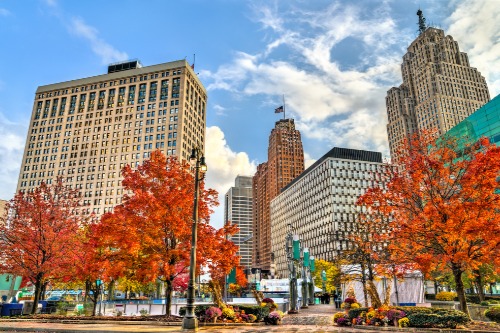
Detroit’s housing market is famously cheap — median home prices in the city are well below national averages and many properties sit vacant, which brings down overall costs. But that affordability comes with some major trade‑offs: decades of economic decline have left large swaths of the city struggling with high crime rates, urban decay, and long‑term population loss. Residents often contend with limited job opportunities and underfunded public services, making everyday life harder than the home price might suggest. In other words, you might save on your mortgage but pay in stress, safety concerns, and a slower local economy.
Detroit’s story isn’t just about low housing costs — it’s also about how those prices reflect the city’s challenges. Many neighborhoods still show the effects of factory closures and suburban migration, with abandoned buildings and infrastructure gaps visible block by block. These conditions contribute to a quality‑of‑life gap that isn’t captured by sticker price alone, from schooling struggles to public transport limitations. For prospective movers, the low purchase price might be enticing — but the day‑to‑day reality requires serious consideration.
2. Cleveland, Ohio
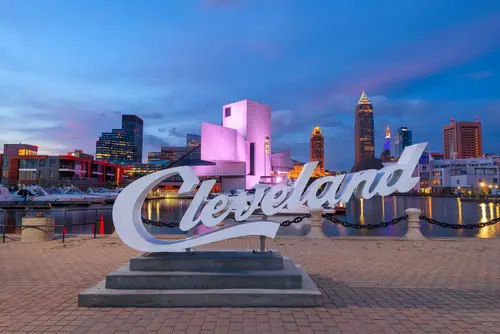
Cleveland has some of the most affordable homes in the Midwest, with median prices that are a fraction of what you’d pay in many coastal markets. But like Detroit, it’s grappling with the long tail of deindustrialization: the city has struggled with population decline, entrenched poverty, and uneven investment in neighborhoods. Many areas face limited amenities, and job growth hasn’t fully rebounded to offer the kind of opportunities found in more economically dynamic metros. The result? A low entry price for homes doesn’t automatically translate into a smooth or prosperous everyday life.
Despite local efforts to revitalize downtown and waterfront districts, the livability gap between Cleveland’s cheap housing and quality of life remains noticeable. Some districts see rising interest and improvements, but other neighborhoods still lack the services or safety that many newcomers expect. Public schools, public transit, and healthcare access vary drastically by area, creating a mixed picture for residents. Those moving for affordability should be prepared for these contrasts.
3. Toledo, Ohio
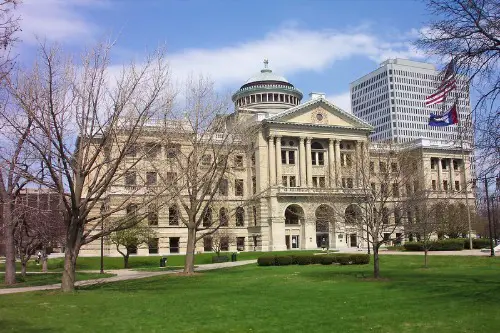
Toledo’s housing market has drawn attention because of its low costs and unusually strong appeal to investors looking for bargain properties. However, that investor interest can squeeze local buyers and distort the community feel, making homeownership feel less accessible than the headline prices imply. The city also contends with higher unemployment relative to the national average and lingering signs of population decline, which dampen the vibrancy you might expect in a cheap housing market. In short, bargain prices don’t always equal a thriving place to live.
Toledo’s affordability story is wrapped up in its economic dynamics: while some sectors are growing, others remain stagnant, leaving residents with uneven access to opportunity. Local amenities and cultural offerings are improving, but they often lag behind those in similarly sized cities with stronger economies. Downtown revitalization efforts help, yet many neighborhoods outside the core still lack the conveniences or safety features that make daily life easier. That contrast — cheap homes versus mixed quality of life — is what defines Toledo today.
4. Saginaw, Michigan
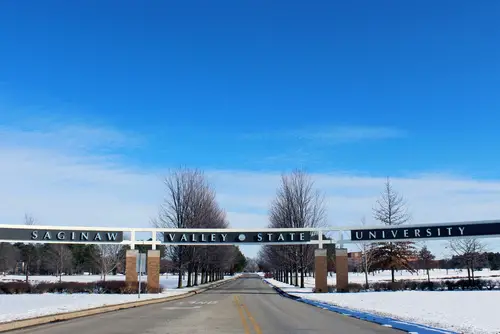
Saginaw’s housing is among the most affordable you’ll find in the Midwest, thanks to decades of population loss and industrial decline. But that cheap real estate reflects deeper issues: the city has faced high unemployment rates, persistent poverty, and some of the highest crime statistics in the region. These socioeconomic challenges make everyday living more difficult for families and young professionals alike, even if the cost of entry into homeownership is tempting. For many residents, lower prices are offset by the need to navigate structural economic hurdles.
The affordability–livability gap in Saginaw is a reminder that cheap homes often come with steep hidden costs. Fewer jobs, limited access to high‑quality healthcare, and strained public services can erode quality of life over time. And while community pride runs deep among long‑time residents, newcomers seeking convenience and opportunity may find the reality falls short of the price tag. It’s precisely the sort of place where you pay less on paper but more in daily resilience.
5. Brownsville, Texas

Brownsville stands out in some national rankings for its low cost of living and inexpensive housing, but those figures mask serious quality‑of‑life concerns. The city has struggled with high poverty levels, limited educational attainment among adults, and low access to health insurance — metrics that all influence residents’ well‑being on a day‑to‑day basis. Infrastructure and connectivity challenges further complicate mobility and economic opportunity in the region. In Brownsville, affordability intersects with hardship in ways that may surprise those drawn by cheap homes.
These issues, combined with higher unemployment than the national average, make Brownsville a compelling example of “cheap but tough” for homebuyers. The sunny weather and proximity to beaches draw some people in, but sustaining a good quality of life requires navigating systemic challenges others might overlook. So while housing costs could leave more in your pocket, living costs in terms of health, education, and job prospects might not feel like a bargain.
6. Flint, Michigan

Flint often tops national affordability lists because its median home prices are among the lowest in the country, and homes are remarkably cheap relative to local incomes. Yet that affordability comes from deep economic and social struggles — decades of industrial decline and a population that’s shrunk dramatically over time leave many neighborhoods with vacant homes and weak demand. Living conditions have been complicated by systemic issues like the city’s well‑known water crisis, which undermined public trust and exposed residents to lead‑contaminated water. Crime rates and public safety challenges have also plagued the city for years, making everyday life feel riskier than the price of a home suggests.
Beyond its cheap housing market, Flint’s quality of life struggles are structural: limited job growth, weak tax revenue, and long‑term infrastructure problems all contribute to uneven public services. The legacy of the water crisis — even as toxic pipes have been replaced — still shapes perceptions of safety and community health. Schools and local services often operate under fiscal pressure, reflecting broader economic hardship that cheap homes alone don’t resolve. For house hunters, Flint illustrates that a low sticker price can mask hidden costs tied to daily well‑being and citywide resilience.
7. Memphis, Tennessee
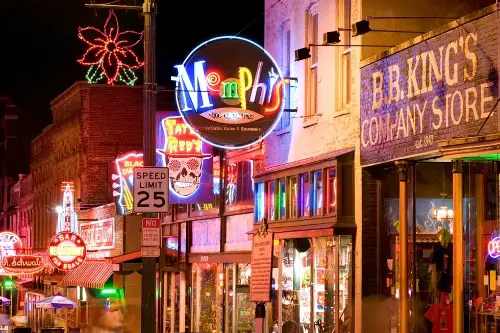
Memphis makes many lists of affordable housing thanks to its lower median home prices compared with other major U.S. cities. But the city also struggles with some of the highest crime rates of any large American city, alongside persistent poverty and economic inequality. These issues affect everyday safety, schooling options, and long‑term economic prospects for residents. In Memphis, buying cheap might save money upfront, but the surrounding environment can feel unstable.
Affordable housing and cultural richness coexist in Memphis — from blues music heritage to diverse neighborhoods — yet that doesn’t erase the quality‑of‑life trade‑offs. For many families, navigating safety concerns, school quality variations, and uneven public services becomes part of the commuter rhythm. These realities temper how appealing low home prices really are when set against actual living conditions.
8. St. Louis, Missouri

St. Louis is often cited for its cheap housing stock, especially compared to other large cities, but its livability rankings tell a different story. Longstanding socioeconomic divides — symbolized locally by the “Delmar Divide” — mean access to quality education, safety, and opportunity varies dramatically by neighborhood. Some areas are vibrant and walkable, yet others contend with underfunded schools and limited economic growth. For would‑be homeowners, the affordability headline hides a patchwork of lived experiences.
The city’s overall economy has lagged behind many peers, with slower job creation and weaker wage growth contributing to an uneven quality of life. While you can find bargains on homes, finding community support and amenities may be tougher. The contrast between price and experience is precisely why St. Louis appears “cheap” yet feels challenging for many residents.
9. Indianapolis, Indiana
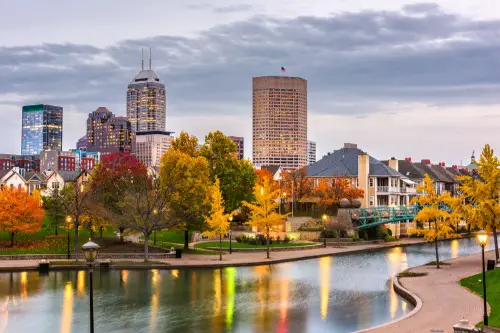
Indianapolis offers some of the most affordable housing among large U.S. cities, but its livability picture is complicated by public safety and economic issues that have plagued the city historically. At various points, the metro has ranked among U.S. cities with high violent crime compared with national averages, and pockets of deep poverty persist within its neighborhoods. These factors weigh on perceptions of quality of life, even as housing costs remain attractive. Choosing Indianapolis for its cheap homes means weighing price against broader community concerns.
Despite being a major Midwestern hub with strong sports and cultural scenes, Indianapolis struggles with uneven development across the metro. Downtown and surrounding districts may feel lively and connected, but other areas suffer from disinvestment and limited amenities. Prospective buyers should look beyond price tags to see how day‑to‑day life varies across the city.
10. Buffalo, New York

Buffalo historically boasts a very affordable housing market relative to other U.S. metros, and that’s drawn buyers looking for value. But affordability there has roots in long‑term economic stagnation, high poverty rates, and slower job growth compared with booming regions of the country. While some neighborhoods are revitalizing with new investment and culture, others still wrestle with limited opportunities and aging infrastructure. So while your mortgage might be light on your wallet, the surrounding city may not feel as lively or prosperous as higher‑cost alternatives.
Buffalo’s affordability doesn’t erase the reality that many residents face economic challenges, especially outside the core metropolitan area. Regional pockets of disinvestment create stark contrasts in safety, schooling, and employment prospects that newcomers should know about. The city’s history of population loss and industrial decline still shapes its housing market today.
11. Youngstown, Ohio
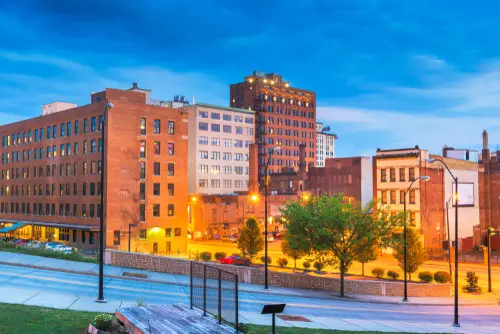
Youngstown’s median home prices are among the lowest in the country, attracting bargain hunters and first-time buyers looking for a foothold. However, decades of manufacturing decline and population loss have left the city struggling with high unemployment, vacant properties, and limited public investment. Many neighborhoods show signs of decay, and public services often operate on tight budgets, making daily life less convenient than in other cities. The low price tag may be enticing, but the challenges of sustaining a good quality of life remain real.
While there are pockets of revitalization and community pride, Youngstown still reflects the economic scars of the Rust Belt. Residents often face a mix of opportunity gaps and social challenges that the cheap housing numbers don’t reveal. Infrastructure, schools, and job availability vary widely, meaning where you buy can drastically affect your experience. Affordability exists alongside real hurdles that homeowners must navigate.
This post New Homes Are Cheaper Here—But Somehow Less Livable was first published on American Charm.

