
1. The Pepsi-Cola Sign, New York

The gigantic Pepsi-Cola sign in Queens is a fixture of the skyline, but most New Yorkers barely notice it anymore. Built in 1936, it was once a symbol of corporate branding done in style. Today, skyscrapers, modern signage, and urban development overshadow it. Tourists rarely add it to itineraries unless they’re intentionally hunting for retro Americana.
Part of its decline in attention is simply environmental—there’s too much visual competition in New York. Social media doesn’t treat static signs as exciting content compared to interactive experiences. The sign remains a landmark, but its cultural punch has faded. It’s mostly a nostalgic nod for locals rather than a tourist draw.
2. The Winchester Mystery House, California
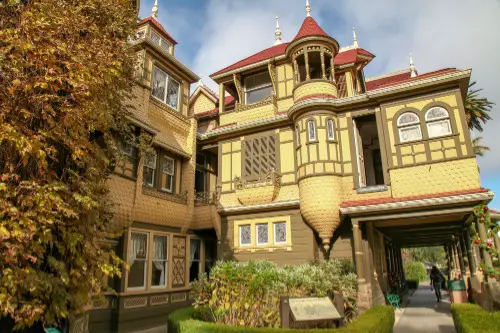
Once a fascination for tourists, the Winchester Mystery House has become a quirky stop that feels more like a chore than a thrill. Visitors used to flock to see its endless hallways and staircases that lead nowhere, intrigued by the legend of Sarah Winchester. Today, though, it often gets passed over for more interactive or Instagram-worthy attractions nearby. The eccentric architecture still charms die-hard mystery fans, but general curiosity has waned.
The reason for its decline is partly the rise of more immersive haunted or escape-style experiences. Walking through the house feels static now, with guided tours that haven’t changed much in years. Many visitors who do come say it’s interesting but not exciting enough to recommend. Essentially, the allure has dulled because people want experiences, not just oddities.
3. The Jolly Green Giant Statue, Minnesota
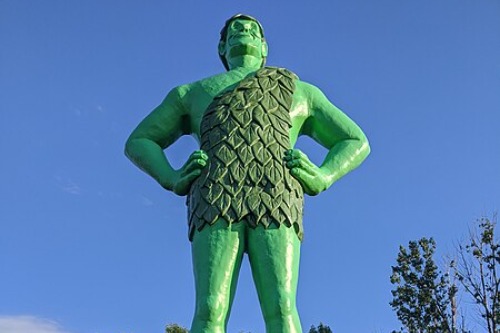
This towering statue in Blue Earth used to attract curious travelers who wanted to see the iconic green figure. Built as a marketing tool for the Green Giant brand, it was a kitschy roadside marvel. Over time, roadside attractions like this have fallen out of favor compared to Instagrammable stops and immersive experiences. Now, many road-trippers pass it without even thinking twice.
Part of the problem is its context feels outdated—people don’t connect with giant advertising mascots anymore. It’s a relic of mid-20th-century marketing rather than a cultural icon. Without modernization or interaction, it struggles to maintain attention. Even fans of retro Americana often list it as “fun to see once” and leave it at that.
4. The House on the Rock, Wisconsin
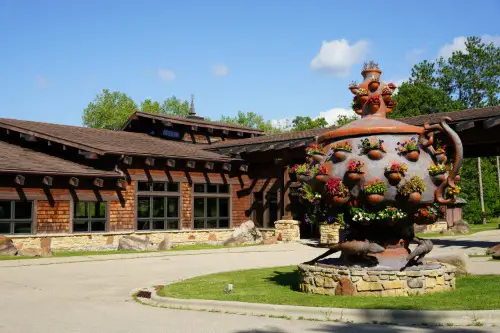
The House on the Rock is still bizarre, but its fame has faded from mainstream awareness. Decades ago, people were drawn to its sprawling architecture and strange collections of mechanical animals. These days, it feels like a place for devoted weirdos rather than casual tourists. The sheer oddity that once captivated visitors now seems almost too overwhelming to enjoy fully.
Part of the appeal has always been its surrealism, but the lack of updates makes it feel stuck in time. Modern attractions offer interactive or tech-driven experiences that make older oddities feel static. People don’t want to just look at strange collections—they want to be part of them. That leaves this Wisconsin oddity in the “cult favorite” category rather than mainstream fame.
5. Lucy the Elephant, New Jersey

Lucy the Elephant is a 65-foot-tall elephant-shaped building built in 1881, and yes, it’s technically incredible. But the novelty has worn off for many, especially younger visitors who crave more modern, high-energy attractions. Once a must-see roadside oddity, it now often registers as “cute but kind of random.” Attendance has declined as more dynamic family destinations emerged along the Jersey Shore.
Lucy still has historical charm, but it can’t compete with experiences like adventure parks or interactive aquariums. The tours are informative but slow-paced, which turns off casual tourists. For some, it’s worth a visit as a quirky photo opportunity, but it rarely makes it to “top attractions” lists anymore. Its fame exists mostly among history buffs and nostalgia hunters.
6. South of the Border, South Carolina
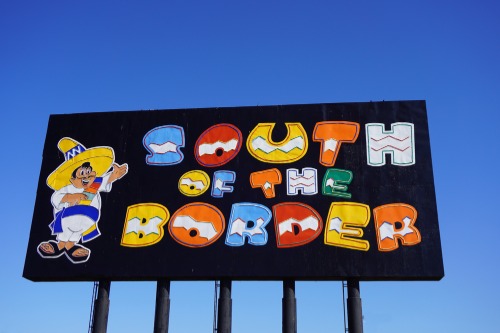
This roadside attraction used to be a must-stop for travelers heading along I-95, with its neon signs, bizarre statues, and kitschy shops. Today, it’s considered more of a relic than a destination, partly due to aging infrastructure and outdated theming. Families tend to skip it in favor of more modern roadside stops or chain restaurants. Its appeal has shifted from “fun stop” to “weird curiosity” that few actively plan to see.
Much of the decline comes from its advertising style feeling tacky rather than charming. The character-based displays haven’t been updated in decades, making it feel frozen in the past. While some still enjoy the nostalgia, younger travelers often roll their eyes. What was once an eye-catching beacon is now just another highway oddity.
7. The Mall of America, Minnesota
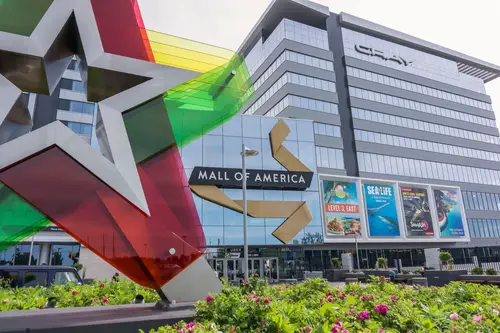
Once a symbol of ultimate consumer culture, the Mall of America doesn’t hold the same magnetic pull it did in the 90s. Shoppers used to travel from around the country just to see its size and attractions like the indoor amusement park. With the rise of online shopping and more unique boutique malls, foot traffic has decreased. The mall still draws some visitors, but it’s no longer the must-see mega-destination it once was.
Part of the problem is that the “mega” factor has been replicated elsewhere, making it feel less special. The rides and stores are largely predictable unless you’re a dedicated shopper. Even locals now tend to visit for errands rather than excitement. In short, it’s an attraction surviving on nostalgia more than novelty.
8. The American Gothic House, Iowa
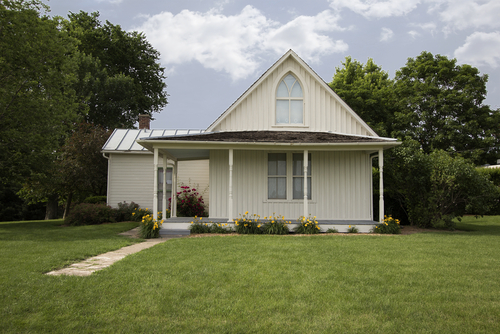
The little house that inspired Grant Wood’s iconic painting draws art buffs, but casual visitors often skip it. In its heyday, travelers made detours to snap a photo in front of the “Gothic” window. Today, the surrounding town doesn’t have many attractions to make the trip worthwhile. Most people appreciate the painting online and skip the physical location entirely.
Accessibility and lack of engagement hurt its popularity. There’s not much to do beyond taking a quick photo, which isn’t enough to justify a road trip. Museums and cultural sites with interactive exhibits now steal its audience. The house is still iconic, but interest has plateaued for all but devoted fans.
9. The Enchanted Highway, North Dakota
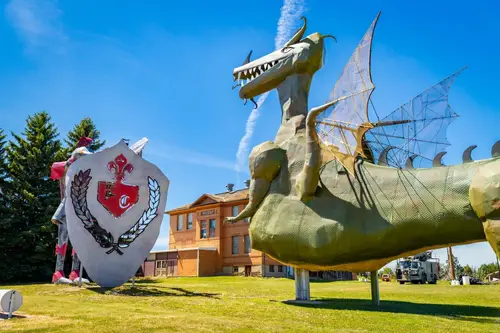
This series of massive metal sculptures along rural highways once lured travelers off the beaten path. People were enchanted by the scale and creativity of giant grasshoppers and birds. These days, the remote location and lack of amenities make it less appealing. Most passersby barely stop unless they’re specifically seeking it out.
Part of the decline is logistical—long drives for a quick photo aren’t as enticing when road trip culture has shifted. Social media-ready stops with cafes and activities are now more attractive. While impressive, the sculptures are best appreciated in person, and that limits their draw. It remains a niche attraction rather than a mainstream destination.
10. The Pike, California
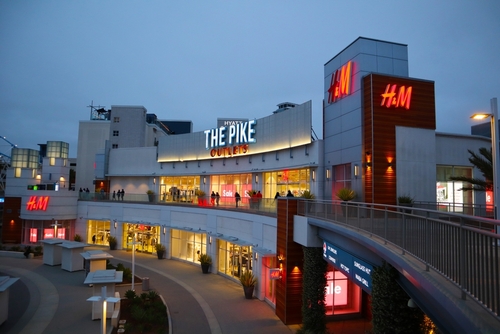
The Pike amusement area in Long Beach used to be a classic spot for family fun and seaside nostalgia. Its Ferris wheel and arcade drew locals and visitors alike. Over time, however, modern theme parks and entertainment complexes have made The Pike feel dated. Attendance has dropped because the rides are smaller and less thrilling compared to newer attractions.
The entertainment value hasn’t kept pace with contemporary amusement standards. Tourists seeking a full experience prefer places with roller coasters and immersive rides. The historic boardwalk feel is charming but insufficient to keep the crowds coming. The Pike has transitioned into more of a casual, nostalgic visit than a must-see destination.
11. Ghost Town in the Sky, North Carolina
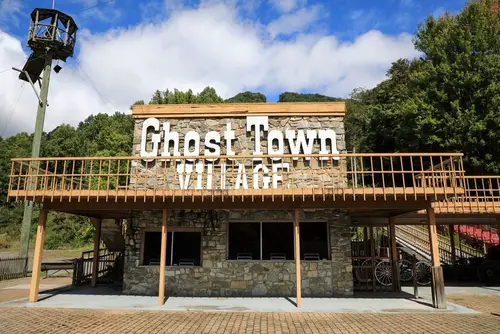
Once a wild west–themed amusement park perched on a mountain, Ghost Town in the Sky drew visitors for its roller coasters and stunt shows. At its peak, it was a unique destination combining scenic views with cowboy-themed thrills. Over time, however, financial troubles and safety issues led to repeated closures. Now, it exists mostly in memory, with only sporadic attempts at revival that fail to capture major tourist attention.
Part of its decline is simply the challenge of maintaining a mountain amusement park. Modern theme parks offer bigger rides, more immersive experiences, and better accessibility. Ghost Town in the Sky is charming in photos but difficult to experience in person. It now mostly appeals to nostalgic locals or die-hard amusement park history fans rather than general tourists.
This post Famous American Attractions No One Cares About Anymore was first published on American Charm.

