1. Flights That Are Always Late
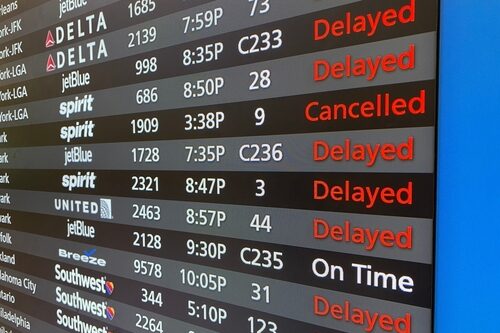
Americans have grown oddly accepting of chronic flight delays. What used to be a rare inconvenience is now shrugged off as a normal part of travel. Airlines routinely overbook flights, cancel them without ample warning, and passengers just adjust their expectations. People have started budgeting extra time rather than demanding punctuality.
This isn’t just anecdotal—industry reports show that U.S. flight punctuality has declined over the past decade. Travelers no longer see on-time arrivals as a guarantee. Complaining is often limited to venting on social media rather than expecting real compensation. The expectation of reliability has quietly slipped.
2. Water That Tastes Like Chemicals

From Flint, Michigan to parts of Newark, clean-tasting tap water isn’t guaranteed. Americans have become used to the idea that public water may be “good enough” rather than actually safe or pleasant. Bottled water consumption has skyrocketed, reflecting a compromise between convenience and caution. Many just accept a faint chemical taste as unavoidable.
People often assume “it’s probably fine” instead of pushing for remediation. The news cycles highlight contamination incidents, yet the day-to-day expectation for water quality seems lower. Communities adapt rather than demand systemic fixes. The public health bar quietly dropped while survival instincts kicked in.
3. Roads That Crumble a Little More Each Year
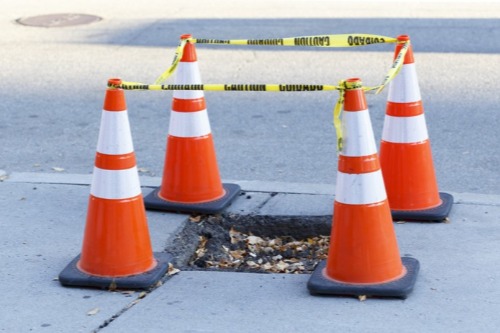
Potholes and aging highways are now part of the everyday commute. Instead of expecting smooth, safe roads, drivers have learned to swerve and avoid damage. Infrastructure reports show large portions of U.S. roads are rated “poor,” yet maintenance often lags. Americans budget extra time—or extra car repairs—rather than expecting improvement.
It’s become a cultural joke and a private frustration. Drivers post pictures of potholes online rather than lobbying officials for immediate fixes. The expectation is no longer perfection, but just “manageable.” We’ve normalized the idea that travel on U.S. roads comes with risk.
4. Grocery Store Produce That’s Barely Fresh
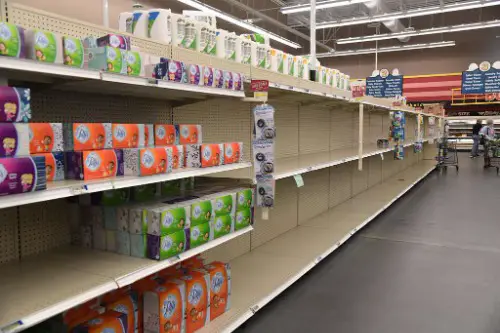
Supermarkets display wilted lettuce and spotted tomatoes, and shoppers often buy them anyway. People have adjusted to buying “okay” produce rather than fresh, flavorful fruit and vegetables. Rising food prices and supply chain issues have lowered expectations for perfect produce. Consumers make do, knowing better options may cost more or require special trips.
The tolerance for marginal quality is subtle but widespread. Farmers’ markets and specialty stores still offer premium freshness, but they’re optional rather than the standard. Americans quietly accept compromise over quality. It’s a small, almost invisible sign that expectations have shifted.
5. Entertainment That Feels Familiar
Blockbusters are often reboots, sequels, or part of cinematic universes, and audiences keep showing up. Instead of demanding originality, viewers have learned to expect a safe, familiar formula. Streaming services produce massive amounts of content that rarely surprises. We’ve lowered our expectation from “groundbreaking” to “serviceable and bingeable.”
Critics lament the lack of risk, but the public largely tolerates it. Award shows still reward the few bold efforts, but the mainstream appetite has dulled. Familiarity feels comforting rather than disappointing. The collective standard for cultural innovation has quietly softened.
6. Customer Service That Feels Optional

Calling a company for help is often met with long waits, chatbots, and vague promises. Americans have accepted that perfect, helpful service isn’t the baseline. Many turn to forums, social media, or DIY solutions instead of demanding immediate resolution. Complaints have moved from the expectation of change to the expectation of venting.
It’s no longer shocking if problems persist after repeated attempts. Consumers often leave a review or tweet rather than expect the company to fix it. The benchmark has dropped from “problem solved” to “problem tolerated.” There’s a subtle sense of lowered patience and expectation.
7. Politics That Don’t Inspire Trust
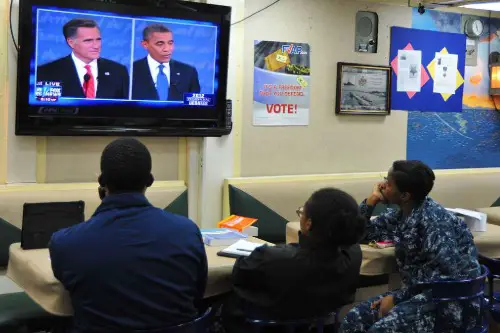
Political scandals, hyper-partisanship, and broken promises no longer surprise the electorate. Americans have grown used to dysfunction as the default. The baseline expectation is often cynicism rather than hope for accountability. Voter engagement sometimes relies on minimal standards rather than ideal outcomes.
People often participate in elections without expecting sweeping change. News coverage treats political dysfunction as normal rather than exceptional. The expectation of competence has quietly diminished. Trust in leadership has been redefined downward.
8. College Degrees With Mixed Returns

Tuition keeps rising, but graduates often face underemployment or crushing debt. Americans still pursue higher education, but many have tempered their expectations for immediate financial payoff. Career success is no longer assumed to follow a diploma. The reality is a compromise between investment and outcome.
Families adjust plans rather than expecting guarantees. Student loan debt has normalized as a burden rather than a crisis. Americans accept that education is a gamble rather than a sure ticket. Expectations for return on investment have quietly decreased.
9. Technology That Breaks Quickly
Phones, laptops, and appliances now have built-in obsolescence. Users have learned to anticipate malfunctions, software issues, or battery degradation. Instead of expecting longevity, people plan upgrades or repairs proactively. Convenience often wins over durability.
Repair culture has waned while replacement culture has grown. Warranty claims are common but not always satisfying. Americans quietly accept that tech is temporary. The standard for how long something should last has quietly shifted downward.
10. News That Feels More Like Entertainment
Clickbait headlines, sensationalized coverage, and algorithm-driven stories dominate. The expectation of informed, impartial reporting has been lowered. People consume news knowing it’s partial or biased. Critical reading has become more necessary than trust.
The audience adapts rather than demanding journalistic rigor. Social media amplifies opinions over facts. Americans have normalized partial truths and emotional framing. The baseline for “trustworthy news” has quietly declined.
11. Public Spaces That Feel Worn Down

Parks with broken equipment, libraries with peeling paint, and city streets that aren’t cleaned daily are now commonplace. People still use these spaces, but expectations for upkeep have softened. Budget shortfalls and population growth are understood as excuses. Americans adjust rather than insist on pristine conditions.
The change is subtle but telling. Enjoyment comes from access rather than perfection. Communities may fix small issues themselves instead of relying on government intervention. Public standards have quietly shifted from excellence to adequacy.
This post The Subtle Signs America Lowered Its Expectations was first published on American Charm.