
1. Arizona – Skyrocketing Healthcare Costs

Arizona is sunny and warm, making it attractive for retirees seeking an active lifestyle. But healthcare costs here are higher than the national average, especially outside major cities. Rural areas may lack specialists, forcing trips to Phoenix or Tucson for care. Those trips add up in gas, lodging, and time.
Even routine procedures can be more expensive than expected. Medicare coverage helps, but not every doctor participates in the same networks. Prescription drug costs can also vary widely depending on your ZIP code. Retirees who thought they were saving money may find healthcare quickly erodes those savings.
2. Florida – High Insurance Premiums

Florida’s beaches and sunshine attract retirees like nothing else, but that paradise comes with a cost: homeowners insurance. Hurricanes and flooding risks have pushed premiums sky-high, often costing thousands more than in inland states. Even if your home seems “cheap,” those insurance bills can quickly offset the savings. It’s something many new retirees don’t realize until the first storm season hits.
Flood insurance is separate from regular homeowners coverage, and it’s required in many areas. Deductibles can be substantial, sometimes reaching 2–5% of the property value. That means a $200,000 home could demand a $4,000–$10,000 deductible if disaster strikes. Living near the coast can feel idyllic but financially risky.
3. Texas – Rising Property Taxes

Texas has no state income tax, which looks great on paper for retirees. The hidden catch is property taxes, which are among the highest in the country. Local governments rely on them heavily, and even modest homes can carry thousands in annual taxes. Those monthly bills can quickly eat into a fixed retirement income.
Property taxes are reassessed regularly, sometimes jumping sharply after a home sale. Retirees often assume they’re protected by the “no income tax” benefit, but the local tax bite can be brutal. Budgeting only for living costs and ignoring property taxes is a common mistake. Long-term affordability can be much less than advertised.
4. Nevada – Housing Market Volatility

Nevada, particularly Las Vegas and Reno, has attracted many retirees for its tax benefits. However, housing prices can swing dramatically with the market, making “cheap homes” a gamble. A property that seems affordable now could spike in value—or lose value—depending on economic cycles. This unpredictability adds risk for retirees on a fixed income.
Property taxes in Nevada are moderate, but rapid market appreciation can raise your tax bill significantly. Maintenance costs are often overlooked, especially for desert homes with landscaping needs. Pool upkeep, irrigation, and cooling bills can be surprisingly high. The “low cost of living” can be deceptive.
5. Tennessee – Costly Utilities
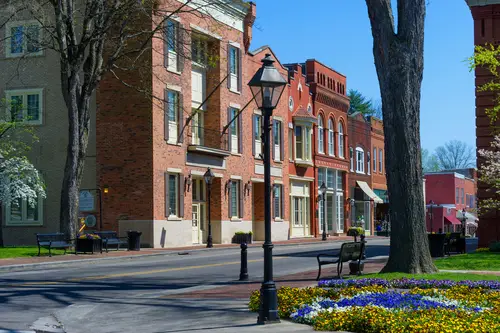
Tennessee is often promoted as a low-cost state for retirees, partly due to no state income tax. But energy costs can be higher than expected, especially in summer and winter. Older homes often lack modern insulation, driving up heating and cooling bills. That extra expense can offset the lower taxes and housing costs.
Electricity rates vary by county, and rural areas may face fewer providers and higher rates. Air conditioning in humid areas is a constant necessity, while winters still require heating. Retirees often underestimate these seasonal spikes. Over a year, utilities can add thousands to living expenses.
6. South Carolina – Hidden Transportation Costs

South Carolina has affordable housing and mild winters, but transportation can be a hidden expense. Rural areas have fewer public transit options, so retirees often need two cars. Gas prices, insurance, and maintenance can add up quickly. Many assume they can “walk everywhere,” but reality often demands a vehicle for errands and healthcare trips.
Coastal flooding and hurricanes can also impact car insurance rates. Even low-cost homes may sit in flood-prone zones, driving premiums higher. The combination of transportation and insurance costs can surprise newcomers. Retirees may find they need more cash for mobility than they initially planned.
7. Georgia – State and Local Fees

Georgia’s low housing costs make it appealing for retirees, but there are hidden fees beyond property taxes. Vehicle registration, local permits, and occasional special assessments can hit wallets unexpectedly. Counties can levy additional charges for schools, libraries, or road maintenance. These fees are often buried in “annual cost of living” guides.
Healthcare access is uneven outside Atlanta, so some retirees travel long distances for care. Prescription prices also fluctuate by county and pharmacy. Combined with local fees, these costs slowly chip away at retirement savings. What seemed like a bargain home can carry a heavy ongoing price tag.
8. North Carolina – Seasonal Tourism Surprises

North Carolina offers scenic mountains and coastline, drawing retirees to affordable areas. But living in tourist-heavy towns can raise costs unexpectedly. Restaurants, groceries, and services inflate during peak seasons. Residents may see prices spike in summer or winter, especially in popular towns like Asheville or Wilmington.
Housing may seem inexpensive compared to national averages, but short-term rental markets can drive property taxes up. Local governments often increase spending to accommodate seasonal visitors. Utilities and traffic congestion add subtle but real costs. Retirees can end up paying “hidden tourism taxes” without realizing it.
9. Alabama – Limited Healthcare Facilities

Alabama is known for low housing and no major state income tax on Social Security, making it attractive to retirees. But rural hospitals have closed at a high rate, leaving fewer options nearby. Emergency care may require long drives, which can be stressful and costly. Regular specialist visits are often hours away.
Prescription options can be limited, with fewer pharmacies accepting certain Medicare plans. Even small medical emergencies can result in unexpected travel and lodging expenses. The “low cost of living” hides the true cost of accessible healthcare. Retirees must weigh savings against medical convenience.
10. Mississippi – Insurance and Disaster Risk

Mississippi’s affordability draws attention, but natural disasters are a serious hidden cost. Flooding and hurricanes hit coastal and low-lying areas regularly. Homeowners insurance and flood coverage are essential, often costing thousands per year. Retirees on fixed incomes can struggle to cover these premiums.
Additionally, repair and rebuilding costs are rising faster than home values. Even minor storms can lead to significant out-of-pocket expenses. Disaster preparedness often includes higher insurance deductibles and emergency funds. The cheap home price doesn’t reflect the financial risk of weather events.
11. Oklahoma – Property and Income Tax Complexity

Oklahoma offers low housing costs, but property and income taxes can be a confusing mix. While overall taxes seem low, assessment rules vary by county, sometimes increasing your tax bill without warning. Fixed-income retirees may assume taxes are predictable, but local levies and reassessments complicate the picture. These hidden costs can erode the apparent affordability.
Healthcare costs in rural areas add to the challenge. Specialist access is limited, requiring travel to larger cities. Utilities for older homes can be higher than expected due to inefficient heating or cooling systems. The combination of taxes and living costs makes budgeting tricky.
12. Arkansas – Cost of Infrastructure Maintenance
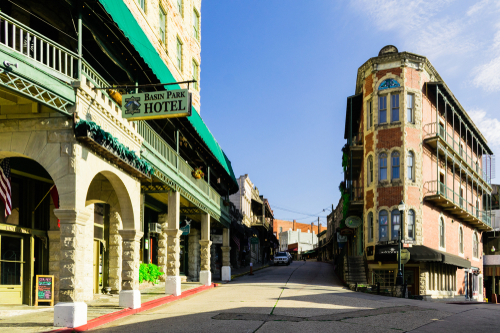
Arkansas attracts retirees with low home prices and natural beauty. However, roads, bridges, and utilities in rural areas often need repairs, and local governments may pass those costs to residents. Water and sewage fees can be higher in small towns. Road maintenance can affect car repairs and fuel use, adding another layer of hidden costs.
Older homes also demand upgrades to plumbing, roofing, and electrical systems. Even modest renovations add thousands over a few years. Retirees often underestimate ongoing maintenance costs in “affordable” neighborhoods. The initial purchase price is just the beginning of expenses.
This post The Hidden Costs of “Cheap” Retirement States was first published on American Charm.

