1. Florida (Statewide)
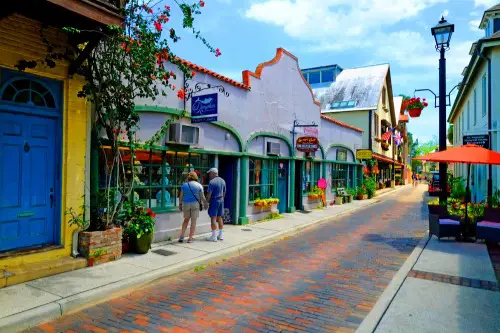
Florida looks like the ultimate retirement win with warm weather, no state income tax, and endless beaches. Many retirees move there expecting a laid-back lifestyle that stretches their savings. What often surprises them is how quickly everyday costs have risen, especially in coastal and high-demand areas. Groceries, utilities, and car insurance frequently cost more than newcomers expect.
Insurance is the real deal-breaker for many retirees. Homeowners insurance premiums have surged in recent years, and some people struggle to find coverage at all. Property taxes can also rise sharply as home values climb. When you factor in hurricane preparation, evacuations, and repairs, Florida life can feel anything but easy.
2. Phoenix, Arizona

Phoenix attracts retirees with sunshine, golf courses, and master-planned communities. Many assume dry heat will be easier to handle than snow and ice. The reality is that summer temperatures regularly exceed 110 degrees, making outdoor activity difficult or unsafe for months. For retirees hoping to stay active, that can be frustrating and isolating.
The heat also affects household budgets. Heavy air-conditioning use leads to high electric bills during long summers. Water costs are another concern in a drought-prone region. Healthcare access can be strained as the metro area grows faster than medical infrastructure.
3. Las Vegas, Nevada

Las Vegas appeals to retirees with no state income tax and a reputation for affordable housing. Many imagine endless entertainment and a low-cost desert lifestyle. What they often don’t expect is how transient the city can feel, with fewer tight-knit neighborhoods. That can make it harder to build long-term community.
Healthcare is a common complaint among retirees in Las Vegas. The city has fewer high-ranking hospitals per capita than many retiree-heavy metros. Summer heat can be intense and limiting, similar to Phoenix. When combined with rising housing costs, the savings retirees expected can shrink quickly.
4. Austin, Texas
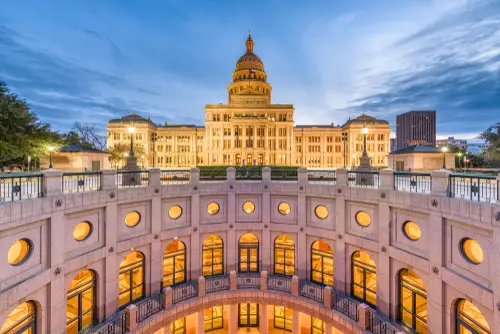
Austin draws retirees with its culture, food scene, and reputation as a lively but manageable city. Many expect Texas affordability paired with no state income tax. What surprises them is how expensive Austin has become, especially for housing. Property values and rents have risen dramatically over the past decade.
Property taxes are another shock. Texas relies heavily on property taxes, and Austin homeowners often pay steep annual bills. Traffic congestion can also be stressful for retirees who envisioned a slower pace. The city’s youthful, fast-growing energy doesn’t always match retirement expectations.
5. Charleston, South Carolina
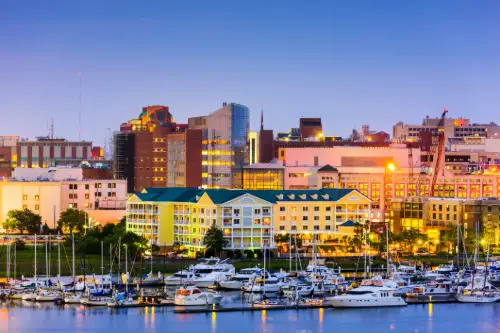
Charleston charms retirees with its history, walkable areas, and coastal beauty. Many assume smaller-city living will mean lower costs and fewer hassles. In reality, housing prices have surged as demand has increased. Even modest homes can come with premium price tags.
Flooding is an ongoing concern in many parts of the city. Heavy rains and high tides regularly impact streets and neighborhoods. Insurance costs, including flood insurance, add to monthly expenses. For retirees on fixed incomes, these issues can create ongoing stress.
6. Nashville, Tennessee

Nashville attracts retirees with its music scene, mild winters, and lack of state income tax. Many expect a friendly, affordable Southern city. What they find instead is rapid growth that has driven up housing costs. Home prices and rents are far higher than many retirees budgeted for.
Traffic and infrastructure have struggled to keep up with population growth. Long drives and congestion can be tiring, especially for older residents. Healthcare is generally strong, but access can involve long wait times. The city’s booming energy doesn’t always translate to retirement ease.
7. Denver, Colorado

Denver appeals to retirees who love outdoor recreation and four-season living. Many expect clean air, manageable winters, and an active lifestyle. What surprises them is the high cost of living, especially housing. Denver regularly ranks among the more expensive cities in the region.
Altitude can also be an adjustment. Some retirees experience breathing issues or fatigue that don’t resolve quickly. Winter weather, while sunny, still brings snow and icy roads. Healthcare is good but costly, adding to overall expenses.
8. Portland, Oregon
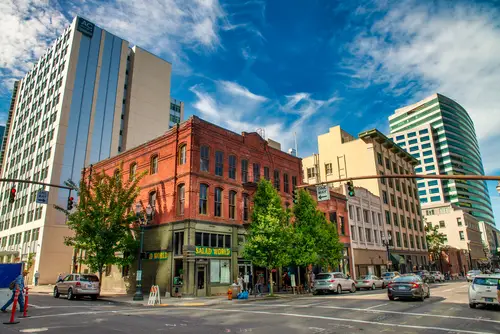
Portland attracts retirees with its walkability, food culture, and natural beauty. Many expect a relaxed, progressive city with easy access to nature. The reality includes rising housing costs and higher-than-expected taxes. Oregon has no sales tax, but income taxes are among the highest in the country.
Weather can also be a challenge. Long stretches of gray, rainy days affect mood and energy levels for some retirees. Public services have struggled with growth and social issues. For retirees seeking simplicity, Portland can feel unexpectedly complicated.
9. San Diego, California
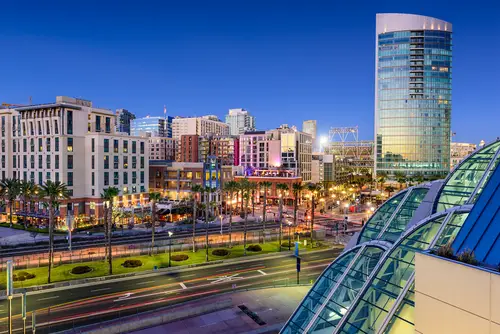
San Diego looks like retirement perfection with mild weather and ocean views. Many retirees assume the lifestyle will justify the cost. What they often underestimate is just how expensive everyday life can be. Housing, utilities, and healthcare costs add up quickly.
Taxes are another major factor. California’s income tax can significantly reduce retirement income. Traffic and crowding are ongoing frustrations. For retirees on fixed budgets, San Diego’s beauty comes with constant financial pressure.
10. Boise, Idaho
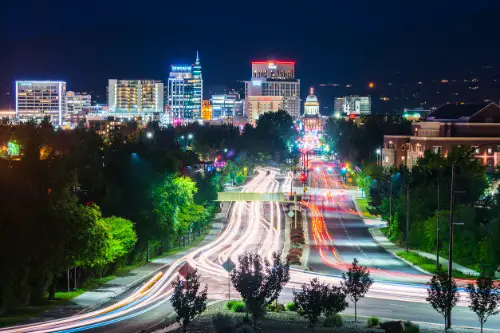
Boise has drawn retirees with its reputation for affordability and outdoor access. Many arrive expecting a quiet, inexpensive lifestyle. Rapid population growth has changed that reality. Housing prices have climbed sharply, outpacing local wages and retirement budgets.
Healthcare options are more limited than in larger metro areas. Some retirees need to travel for specialized care. Winters can be colder and snowier than newcomers expect. What once felt like a hidden gem now feels less accessible.
11. Myrtle Beach, South Carolina
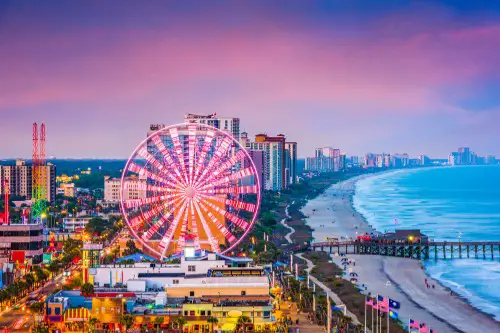
Myrtle Beach attracts retirees with beachfront living and relatively low home prices. Many imagine an easygoing coastal retirement. What they often encounter is heavy seasonal tourism that affects traffic and services. Summers can feel crowded and chaotic rather than relaxing.
Healthcare access is a common concern. The area has fewer major hospitals and specialists compared to larger cities. Humidity and hurricane risks add to physical and financial strain. For retirees seeking calm, Myrtle Beach can be more demanding than expected.
This post Where Retirees Thought Life Would Be Easy—And It Isn’t was first published on American Charm.