1. Wages Didn’t Keep Up, Even When the Economy Did
For a lot of people, it feels like they did what they were supposed to do and still fell behind. Wages grew in the 2010s and early 2020s, but housing costs grew faster almost everywhere. That gap compounds over time, especially for renters who never get a break. By 2026, the mismatch feels personal, not theoretical.
Housing affordability depends on the relationship between income and monthly costs, and that relationship is badly skewed. Even solid middle-income jobs often fail basic affordability ratios in metro areas. Raises that look decent on paper disappear when rent jumps $200 in a single year. This is one of the core reasons the system feels rigged rather than merely expensive.
2. Rent Became the Default, Not the Stepping Stone
Homeownership used to be framed as the next chapter after renting, but that pathway narrowed dramatically. Rising home prices and down payment requirements keep renters stuck longer. Many people now rent through their 30s and 40s, not by choice but by math. That shift changes how housing insecurity shows up in everyday life.
When more households stay in rentals longer, demand intensifies at every price point. Landlords gain pricing power, especially in areas with limited new construction. Renters also miss out on equity growth that homeowners use to move up or stabilize costs. The longer renting is the norm, the harder it becomes to escape it.
3. Starter Homes Quietly Disappeared
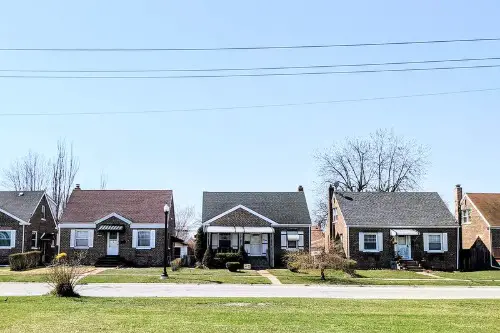
The idea of a modest first home still exists culturally, but the actual homes do not. Builders shifted toward larger, higher-margin houses after the Great Recession. Zoning rules in many cities also make small single-family homes difficult to build. By 2026, the entry-level house is more memory than market segment.
This matters because starter homes historically anchored affordability. They allowed first-time buyers to enter ownership without perfect finances. Without them, buyers jump straight into expensive properties or stay renters. The missing rung on the ladder makes the entire climb feel impossible.
4. Investor Ownership Changed the Feel of Neighborhoods
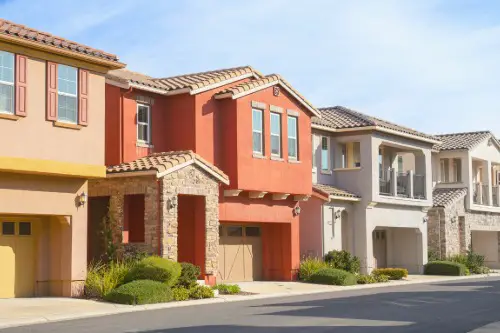
Institutional and small-scale investors both expanded their presence in single-family housing. Some bought homes to rent, others to flip, and many did both. In competitive markets, they often outbid first-time buyers with speed and cash. That changes who gets access, not just prices.
The impact is felt block by block, not just in national data. Homes that might have gone to families become long-term rentals with rising rents. Maintenance decisions are driven by returns instead of roots. For would-be buyers, it feels like competing with a different class of player altogether.
5. Zoning Rules Still Favor Scarcity
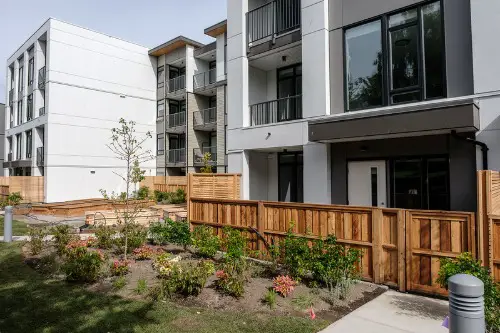
Local zoning laws remain one of the biggest structural barriers to affordability. Large portions of urban land are reserved for single-family homes only. That limits duplexes, triplexes, and small apartment buildings that historically housed middle-income residents. Even in 2026, reform is slow and politically difficult.
Scarcity is not accidental in these places, it is designed. When supply cannot respond to demand, prices rise predictably. People feel this when every new listing sparks a bidding war. The frustration comes from knowing the constraint is legal, not physical.
6. Construction Costs Never Fully Came Back Down
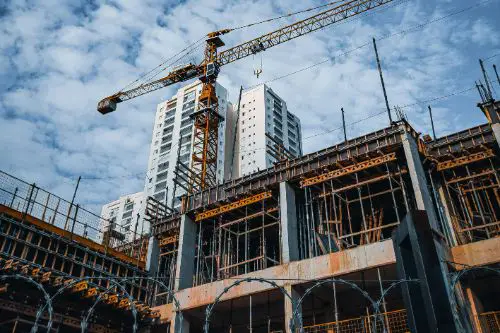
Material and labor costs surged in the early 2020s and never fully reset. Even as supply chains stabilized, baseline prices stayed higher. Builders now face higher financing, insurance, and compliance costs as well. Those expenses flow directly into rents and sale prices.
This means new housing often enters the market at the high end. Affordable units are harder to pencil out without subsidies. When people ask why more housing is not being built cheaply, the answer is usually that it cannot be. The math discourages affordability before the first shovel hits the ground.
7. Remote Work Reshaped Demand, Not Prices

Remote and hybrid work changed where people wanted to live. Smaller cities and suburbs saw influxes from higher-cost metros. That new demand pushed up prices in places once considered affordable. For locals, the change felt sudden and disorienting.
Housing markets are sensitive to even modest demand shifts. When higher earners arrive, they reset price expectations quickly. Local wages rarely rise at the same pace. The result is resentment mixed with disbelief that affordability vanished so fast.
8. Mortgage Rates Became a Moving Target

Mortgage rates rose sharply in the mid-2020s compared to the previous decade. Even when rates dipped, volatility made planning difficult. Monthly payments became less predictable for buyers on tight budgets. The psychological effect was as strong as the financial one.
Higher rates reduce buying power immediately. A home that was affordable one year becomes unreachable the next without any price change. Sellers also hesitate to move, locking in low rates they already have. This freeze limits inventory and keeps pressure on prices.
9. Affordable Housing Programs Couldn’t Scale
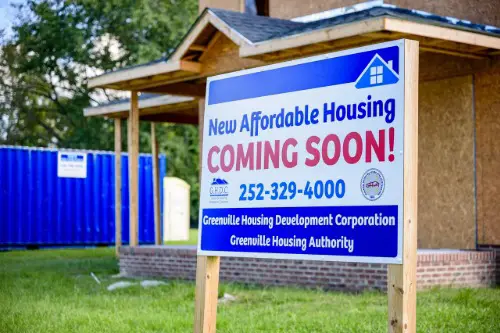
Federal, state, and local programs do help millions of households. The problem is that demand far outstrips supply. Waiting lists are long, and eligibility rules are strict. Many people who struggle still earn too much to qualify.
These programs matter, but they are not designed for universality. They function more like safety nets than solutions. For households just above the cutoff, the system offers little relief. That gap fuels the feeling that help exists, just not for you.
10. Transportation Costs Got Folded Into Housing Decisions

Affordable housing is often far from jobs, schools, and services. Long commutes add real costs in gas, time, and wear on vehicles. By 2026, people increasingly evaluate housing by total monthly burden, not just rent or mortgage. Cheap housing stops feeling cheap after the drive.
This dynamic shrinks the map of realistic options. A lower rent an hour away may not actually save money. Families feel trapped choosing between proximity and affordability. The tradeoff makes every option feel like a compromise.
11. Expectations Changed Faster Than Policy

Culturally, Americans still expect housing to provide stability and upward mobility. Structurally, the system no longer supports that for many people. Policy responses lag behind how fast conditions changed. The disconnect creates cynicism and exhaustion.
When reality consistently contradicts expectations, people disengage. They delay forming households, having kids, or settling down. Housing stops feeling like a foundation and starts feeling like a gamble. That emotional shift is why affordability now feels like a myth, not just a challenge.
This post Why Affordable Housing Feels Like a Myth in 2026 was first published on American Charm.