
1. Madison, Alabama

Madison offers a small-city feel with strong professional opportunities and short commutes. Workers benefit from reasonable hours and a community-oriented lifestyle. Parks, trails, and local events make it easy to enjoy life outside work. The city’s culture prioritizes balance over constant productivity.
Local employers encourage flexible schedules and remote work options. Evenings and weekends are spent with family, friends, and hobbies rather than extra shifts. Residents report high satisfaction with their work-life balance. Madison proves that even smaller U.S. cities can prioritize life over grind.
2. Madison, Wisconsin
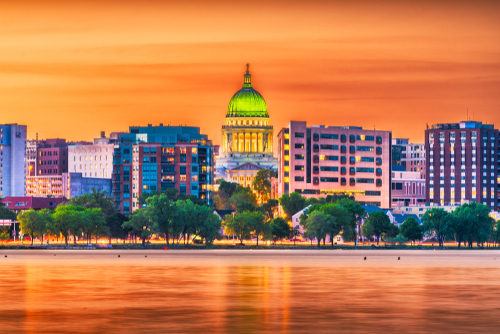
Madison consistently ranks high for work‑life balance, with shorter workweeks and low commute times. Residents can leave the office and still have energy for lakes, hiking trails, and local farmers’ markets. The university-driven vibe makes schedules more flexible and promotes creative problem solving over endless desk hours. Life here feels less like a grind and more like a manageable rhythm.
Evenings in Madison are often spent outdoors, attending community events, or relaxing at local cafes. Employers support flexible hours and prioritize employee wellbeing. This creates a culture where hard work is respected but not idolized. People treat their personal time as seriously as their careers.
3. Lincoln, Nebraska
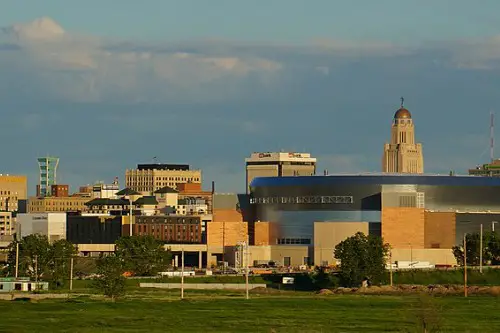
Lincoln combines shorter workweeks, affordable housing, and low commute times to create a city where balance is easier to achieve. People can spend time outdoors, enjoy local trails, or participate in festivals without the stress of long hours. Work feels like a part of life rather than its center. The city’s pace encourages productivity without burnout.
Companies in Lincoln often provide hybrid schedules and support family time. Residents plan evenings and weekends around hobbies and community events rather than extra shifts. Life moves at a manageable pace, making it easier to leave work at work. Here, enjoying your free time is seen as essential, not optional.
4. Buffalo, New York
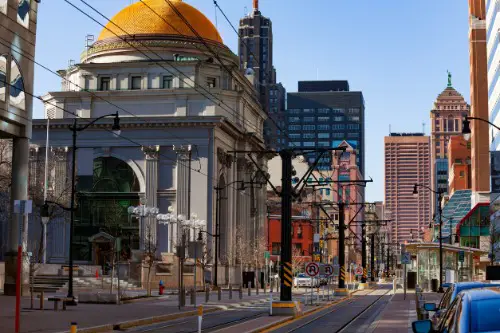
Buffalo stands out because workers have short combined work and commute times. This allows people to spend evenings exploring waterfront trails, art museums, and local neighborhoods. The city’s culture values downtime, with weekend activities often focused on fun and community. Long hours at the office are generally discouraged.
Employers increasingly offer remote work and flexible hours, reflecting the city’s lifestyle priorities. Residents talk about weekend hikes and waterfront strolls as much as career achievements. Hard work is valued, but not at the expense of personal life. Buffalo shows that urban life can be energetic without being exhausting.
5. Portland, Oregon
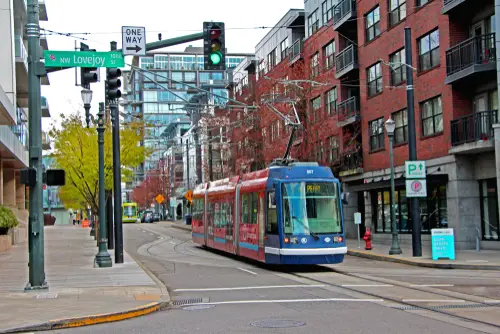
Portland is famous for its outdoor culture, and that translates directly into its approach to work. Residents often leave the office on time to enjoy biking, hiking, or time in the city’s many parks. Employers in creative and tech sectors emphasize results over hours spent at a desk. The city’s ethos discourages endless overtime and celebrates personal pursuits.
Flexible schedules and remote work are common, allowing people to plan work around life rather than the reverse. Evenings and weekends are filled with farmers’ markets, coffee shops, and outdoor adventures. Portland’s culture fosters creativity without glorifying burnout. People feel empowered to have full lives alongside their careers.
6. Austin, Texas
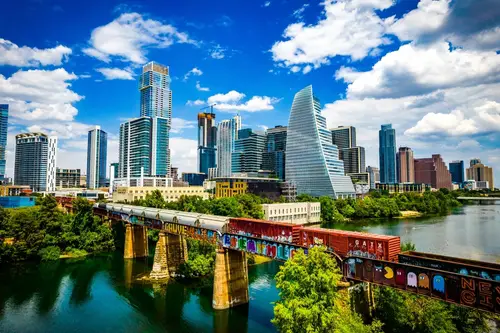
Austin has a thriving tech scene but maintains a surprisingly balanced work culture. Many professionals take advantage of flexible schedules and prioritize outdoor activities after work. The city’s music, food, and outdoor culture encourage residents to spend time enjoying life. Long hours are less of a status symbol here than in other tech hubs.
Companies in Austin often offer hybrid arrangements to retain talent, making it easier to unplug after hours. Weekend trips to nearby lakes and trails are a staple of life here. Residents value leisure as much as professional achievement. Austin proves that hustle doesn’t need to dominate city culture.
7. Boulder, Colorado
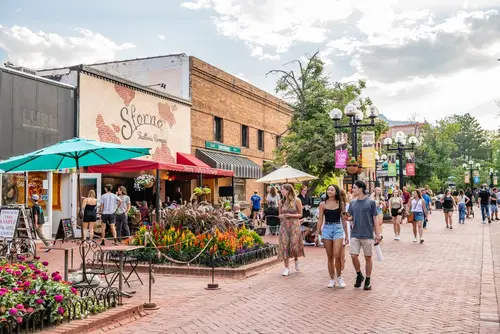
Boulder consistently ranks as a city that values health, outdoors, and personal time. The majority of workers prioritize shorter hours to fit in hiking, climbing, or yoga. Employers recognize the benefits of rested employees, discouraging constant overtime. Work and life are designed to complement each other, not compete.
The city’s active lifestyle is contagious, with social events often taking place outdoors. Even in tech and research sectors, flexible schedules are the norm. Burnout is less tolerated, and wellness is culturally important. Boulder emphasizes that hard work can coexist with living fully.
8. Raleigh, North Carolina
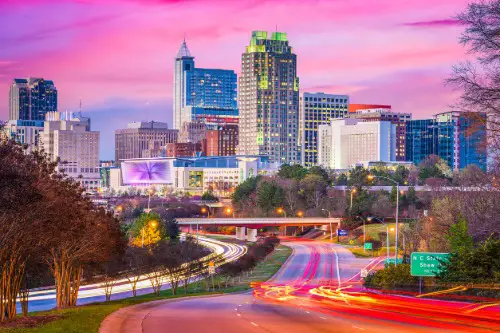
Raleigh combines a strong economy with short commutes and reasonable workweeks. Residents often leave the office early enough to enjoy parks, local breweries, and cultural events. Employers encourage work-life boundaries, understanding that rest improves productivity. The city culture doesn’t idolize the 60-hour week.
Hybrid and flexible schedules are common, helping families and individuals maintain balance. Local events and outdoor activities encourage residents to disconnect from work. The pace here allows for meaningful personal and professional lives. Raleigh’s lifestyle shows that you can thrive without grinding constantly.
9. Seattle, Washington
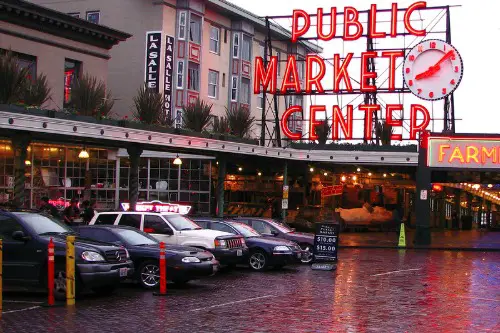
Seattle’s tech and creative industries are balanced by an emphasis on outdoor time and wellbeing. Residents often prioritize hiking, boating, and city parks after work. Companies increasingly promote flexible hours and remote work to support work-life balance. Long hours are less glamorous here than in other tech-heavy metros.
The culture encourages logging off to enjoy the city’s natural beauty and vibrant food scene. Weekends and evenings are spent exploring rather than catching up on emails. Employers understand that balance sustains productivity. Seattle demonstrates that you can be ambitious without sacrificing life outside work.
10. San Diego, California
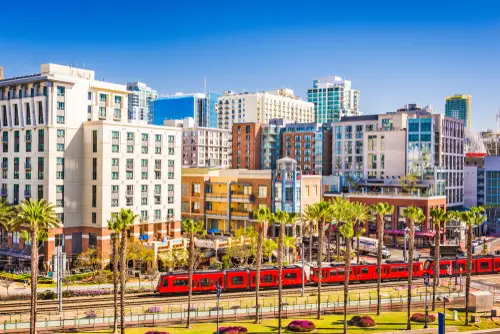
San Diego is built for outdoor living, and that lifestyle shapes work expectations. With beaches, trails, and year-round sunshine, residents often leave the office early to enjoy life. Employers encourage flexibility to accommodate personal pursuits. Overwork isn’t seen as a virtue in a city that celebrates recreation.
The city’s culture fosters wellness through active lifestyles and social engagement. Hybrid work and flexible hours help residents maintain balance. Weekends are often for surfing, hiking, or exploring neighborhoods. Hard work exists here, but it’s never the only measure of success.
11. Minneapolis, Minnesota

Minneapolis is known for its strong work‑life balance, with residents clocking fewer hours than in many big U.S. cities. Short commutes and easy access to lakes, parks, and biking trails make it easy to unplug after work. The city’s culture encourages enjoying time outside the office rather than glorifying long hours. People here genuinely see success as a mix of career achievement and personal fulfillment.
Employers in Minneapolis also reflect these values, offering flexible schedules and remote options. Weekends are often filled with festivals, live music, and outdoor adventures instead of overtime. This city proves that you can be productive without sacrificing your evenings or family time. It’s the kind of place where work supports life, not the other way around.
This post Working Hard Isn’t the Flex It Used to Be in These Cities was first published on American Charm.

