
1. Toledo, Ohio
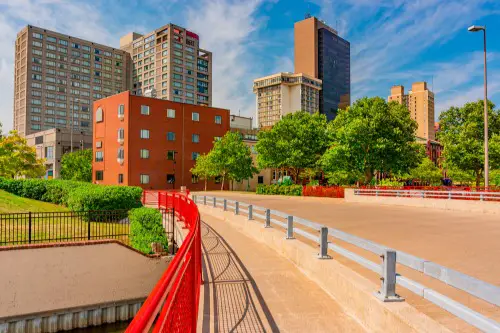
Toledo stands out because it experienced one of the steepest drops in homeownership among U.S. metros in the latest data, with rates falling by over ten percentage points in just a year. This isn’t because people suddenly hate the area, but rather due to economic pressure and slower income growth compared with housing costs. Many longtime homeowners sold or rented out their properties rather than stay in a market where affordability is slipping. As a result, Toledo’s shift tells a larger story about how mid‑priced markets aren’t immune to ownership erosion.
Still, Toledo isn’t a national outlier in every way — locals still love their lake views and community feel. The drop shows that even traditionally stable ownership areas are now vulnerable in the face of rising costs and slower wage growth. Younger residents, in particular, are increasingly priced out, turning to rentals instead of buying. That shift quietly chips away at ownership rates over time.
2. New York City Metro

It’s no secret that owning a home in the New York City metropolitan area is tough, but what’s striking is how homeownership sits near the bottom nationwide, with less than half of households owning rather than renting. Sky‑high prices and tight supply make buying feel almost unattainable for many, especially younger adults and new families. Even as some renters dream of buying, the math just doesn’t add up in many parts of the metro. Because of this, homeownership here has quietly slipped while rentership dominates everyday life.
This isn’t a sudden shift — it’s the result of decades of rising costs outpacing income and a long history of limited affordable options. Most people who grew up in the area either rent long‑term or move out to suburbs or other states to buy. That trend has kept homeownership low compared with national averages. In fact, it’s among the lowest of all major metro areas in the U.S.
3. San Francisco‑Oakland, California
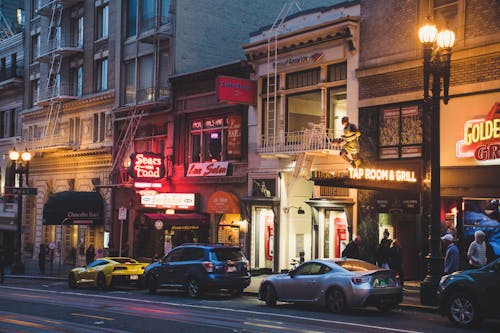
Once a symbol of wealth and opportunity, the San Francisco‑Oakland metro has seen homeownership rates fall sharply in recent years, in part because housing prices soared well above local incomes. Even with recent price softening, many still find that monthly costs — from mortgage payments to taxes and insurance — leave little room for ownership. Young professionals and middle‑income families increasingly rent, unable to bridge the gap to ownership. This dynamic quietly erodes the share of owner‑occupied homes year after year.
At the same time, tech layoffs and slower job growth in adjacent sectors have reduced the number of buyers with high purchasing power. That cooling has compounded affordability issues, reinforcing a cycle where more people stay in rentals instead of taking the plunge on a home. Despite San Francisco’s prestige and culture, its homeownership story is increasingly one of decline.
4. Salt Lake City, Utah
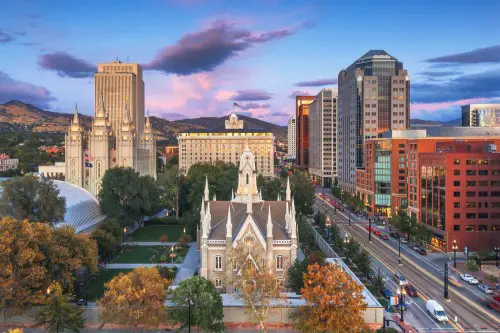
Salt Lake City’s market has been booming for years, but surprisingly, its share of owner‑occupied homes has been drifting downward even as prices rose. This isn’t about people fleeing the city — it’s about local dynamics where rising costs, particularly for new entrants to the market, make buying a tougher sell. Younger residents, renters, and those with tighter budgets find themselves pushed toward renting instead of owning. Over time, these smaller shifts have added up.
Meanwhile, Salt Lake’s overall reputation as a hot real estate market masks this quiet ownership contraction. Government initiatives to boost housing supply hint at just how hard it’s become for average earners to step into homeownership. So even if the skyline is growing, the base of owners isn’t keeping pace.
5. Los Angeles‑Long Beach, California
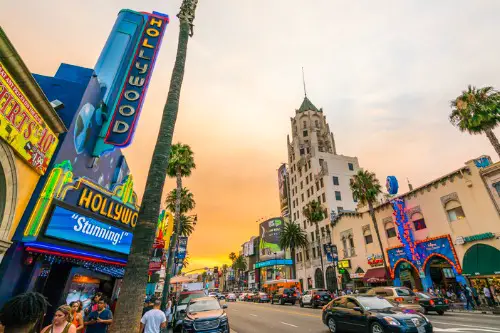
The Los Angeles metropolitan area has long struggled with homeownership, with rates under 50% as renters increasingly dominate the housing mix. Sky‑high costs and a persistent affordability gap have made it more practical for people to rent, particularly if they’re younger or new to the workforce. This slow but steady slide in owner occupancy reflects both a lack of entry‑level housing and a shift toward urban living without ownership. It’s a trend that has quietly reshaped the region’s housing landscape.
Beyond finances, lifestyle choices have also shifted: many choose proximity to jobs and culture over buying a sprawling property farther out. Still, the result is the same — fewer households owning their own homes compared with past decades. Analysts say this ongoing shift is emblematic of affordability pressures facing other West Coast cities too.
6. San Diego, California

San Diego’s housing market has cooled recently, with home prices now softening after years of rapid escalation. While lower prices might seem like a good thing for buyers, they’ve also coincided with stagnant incomes and tighter lending conditions, slowing the conversion from renter to homeowner. In a sense, the dream of ownership is still there, but the economic conditions to achieve it have receded for many. That’s why the share of homeowner households has stalled or even edged backward.
This isn’t just about price drops — it’s about who can actually qualify for a mortgage and sustain payments once they get it. For many younger adults or middle‑income families, renting remains the safer and more flexible option. The result is a quieter slide away from ownership even as headlines focus on changing price tags. Interest and participation haven’t returned to pre‑pandemic levels yet.
7. Phoenix, Arizona

Phoenix has faced a recent shift in housing dynamics as home prices moderate and ownership becomes less attainable for newcomers. This is partly due to rapid population growth outpacing wage growth, meaning that even with price adjustments, many residents are priced out of buying. The number of people renting instead of owning has crept upward as homeownership becomes just one step too far for many. Over time, that shift translates into slipping ownership rates across parts of the metro.
Those same forces — supply‑demand imbalances and affordability gaps — make Phoenix representative of broader challenges in Sun Belt markets. Growth is a double‑edged sword: it boosts local economies while also making traditional paths to ownership harder to reach. For many, the housing ladder feels steeper than it used to.
8. Philadelphia, Pennsylvania

Philadelphia’s homeownership story is a reminder that declines can happen even in older, established markets. Over the last couple of decades, its rate has fallen more than the national average, bucking a regional pattern where some nearby cities saw increases. That’s largely due to affordability issues and slower wage growth combined with shifting preferences among younger households. Fewer people are transitioning from renting to owning, especially in central city neighborhoods.
Traditionally, Philadelphia was seen as a more attainable city for ownership compared with New York or Boston. But changes in the housing costs and job market have chipped away at that advantage. The result? A homeownership rate that quietly slipped while other places stabilized or grew. For many families, the barrier to owning simply became too high over time.
9. New Jersey (statewide trend)
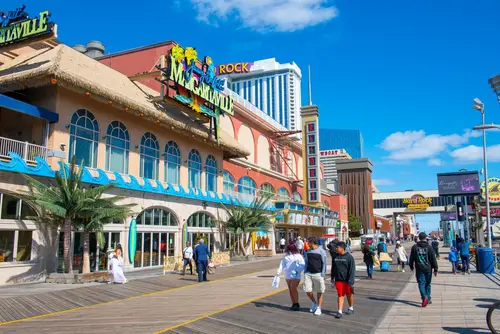
Stepping back to the state level, New Jersey’s homeownership rate has declined significantly over the past decade, reflecting broader affordability and supply issues across its cities and suburbs. With high taxes and costly insurance premiums, owning a home in much of New Jersey has become more expensive relative to income. That’s pushed more households toward renting or relocation, contributing to a slower ownership rate compared with ten years ago. This statewide shift illustrates how regional economics can quietly reshape ownership patterns.
Despite strong local economies and proximity to major job markets, the structural cost burdens have kept many potential buyers on the sidelines. For younger families and first‑time buyers, this means stretching budgets or postponing ownership. Over time, these small decisions accumulate into a noticeable decline.
10. Colorado (statewide trend)
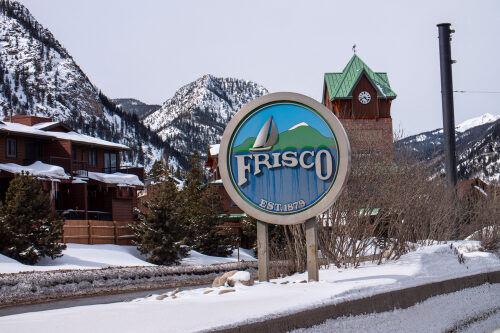
Colorado has seen its homeownership rate drop over the past decade, mirroring a mix of rising prices and rapid population growth. Cities like Denver and Boulder have become more desirable, pushing demand and prices upward faster than local wages. As a result, many residents find themselves renting longer or moving to outlying areas where buying is more feasible. That slow‑burn shift has nudged the state’s overall ownership rate downward.
The decline isn’t uniform — pockets of strong ownership remain — but the general trend suggests barriers to entering the market. Combined with rising property taxes and insurance costs, affordability challenges are reshaping how people live and where they choose to invest in homes. Over time, these factors have quietly eroded the share of owner‑occupied housing statewide.
11. Oklahoma (statewide trend)
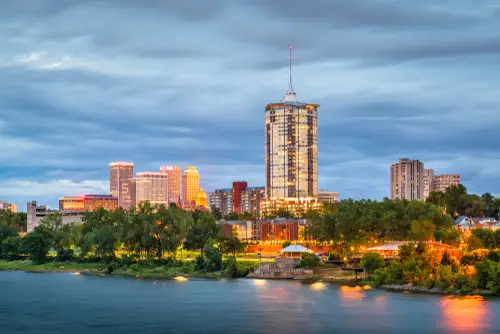
Even in places that might seem affordable at first glance, like Oklahoma, homeownership has slipped over the past decade, partly because incomes haven’t kept pace with rising housing costs in key areas. While still above many national averages, the rate drop reflects broader patterns: shifting demographics, slower wage growth, and fewer first‑time buyers stepping up. For some Oklahoma communities, renting has become a more realistic choice than buying. This incremental shift ends up showing up in aggregated data as a quiet erosion of ownership.
Oklahoma’s experience reminds us that declines aren’t just coastal or big‑city phenomena — they occur wherever the economic balance tilts away from buying. In smaller metros and rural counties, too, those decisions ripple outward. Over time, these trends coalesce into state‑level shifts that matter for policymakers and residents alike.
This post The Places Where Homeownership Quietly Slipped Away was first published on American Charm.

